Blog
Long-form essays, teardowns, and benchmark studies on the operational reality of AI in supply chain. We go past the press releases to the questions operators actually ask: what works in production, what it costs, and where the savings quietly leak away.
Every piece is written for the people running logistics, not the vendors selling to them, with sourced data and honest takes on where AI helps and where it doesn't.
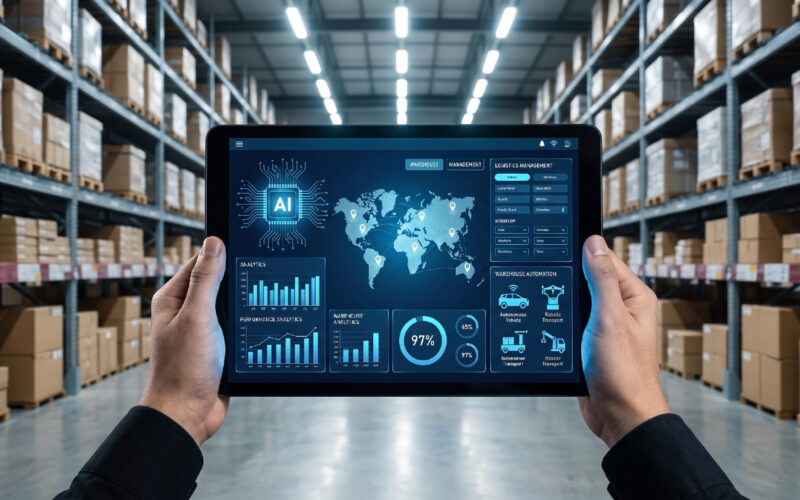
AI Logistics Software: The Future of Smarter Supply Chain Management
Logistics management has become increasingly complex as businesses must juggle transportation, inventory, warehouses, deliveries, suppliers, and customer expectations amidst fluctuating demand and operating conditions. While traditional logistics software can assist in organizing these tasks, it often relies…

Autonomous Logistics: How AI Is Moving Supply Chains From Automation to Autonomy
For years, logistics companies have focused on automation. Warehouses use robots, software tracks shipments, and systems automate repetitive tasks. These technologies have made logistics faster and more efficient, but most still depend on people to make the important decisions. Autonomous logistics takes…
Artificial Intelligence Warehouse: How AI Is Transforming Modern Warehouse Operations
Warehouses are under increasing pressure to process more orders, maintain inventory accuracy, reduce operating costs, and support faster deliveries. At the same time, many warehouse teams still rely on manual processes and systems that…
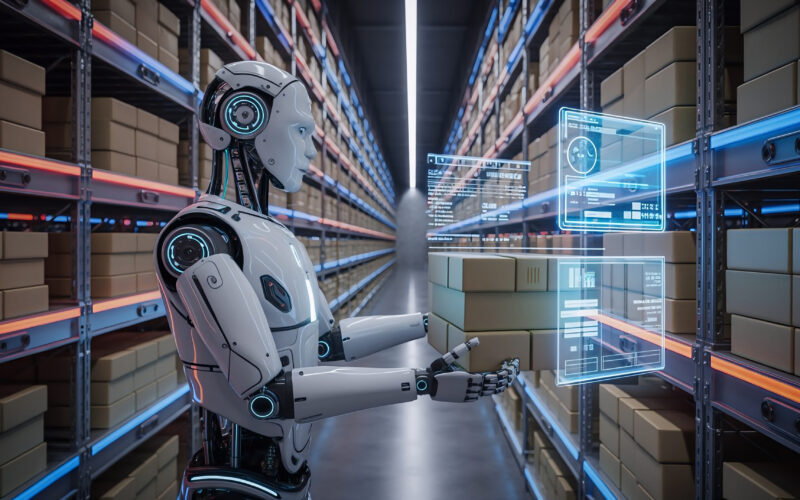
AI Warehouse Robotics: How AI Is Transforming Modern Warehouses
Modern warehouses are under pressure to process more orders while maintaining speed, accuracy, and cost efficiency. Rising order volumes, labor constraints, tighter delivery expectations, and increasingly complex inventory make traditional warehouse processes harder to scale. …
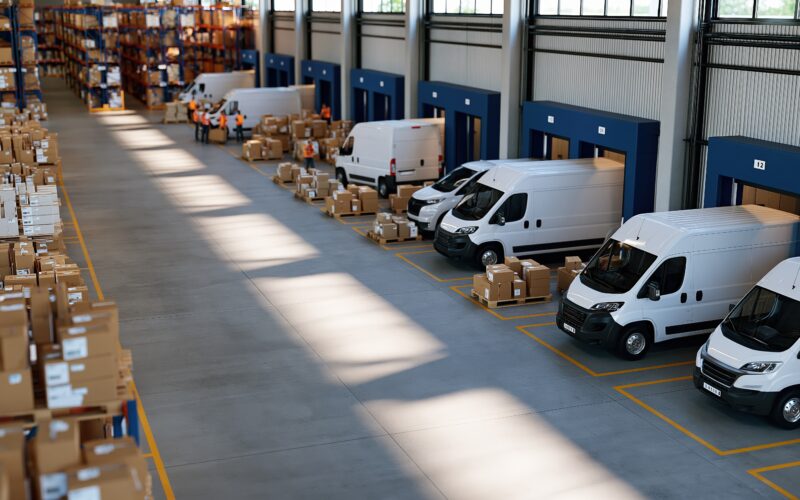
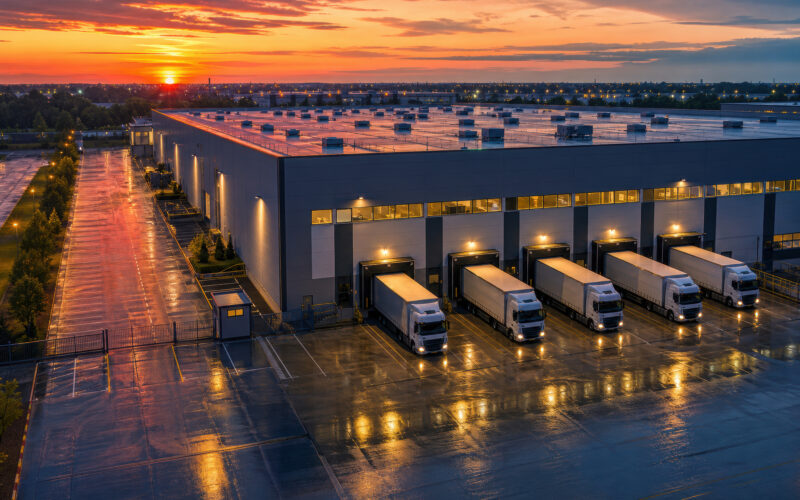
Outbound Logistics : How AI Is Transforming Distribution and Supply Chain Efficiency
Getting products to customers efficiently is just as important as producing or storing them. Once an order is ready to leave a warehouse or distribution center, businesses need to coordinate picking, packing,…
Transportation Management: A Complete Guide to Smarter Logistics and Supply Chains
Transportation can represent a significant portion of overall logistics costs. Poor planning can lead to empty vehicle capacity, inefficient routes, unnecessary fuel consumption, and missed delivery windows. Strong transportation management helps businesses identify these inefficiencies and improve how shipments…
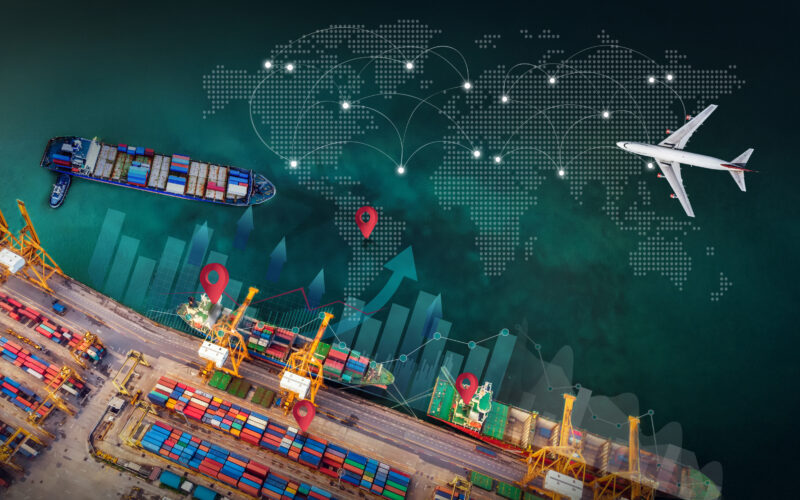
Global Logistics and Supply Chain Management: A Complete Guide
Today, businesses rarely ever operate in a single market. Products may be manufactured in one country, kept in another, and delivered to customers in many regions. Coordination between suppliers, warehouses, carriers, customs officials, and…

How to Optimize Logistics Operations for Better Supply Chain Management
Efficient logistics operations are essential for keeping a supply chain moving. Transportation delays, inaccurate inventory, inefficient warehouse processes, and poor shipment visibility can quickly increase costs and affect customer satisfaction. As logistics networks become more complex,…
Logistics 101: A Complete Guide to Logistics Management
Every product that reaches a customer has a journey behind it. From sourcing materials and storing inventory to arranging transportation and completing the final delivery, multiple activities must work together to keep…
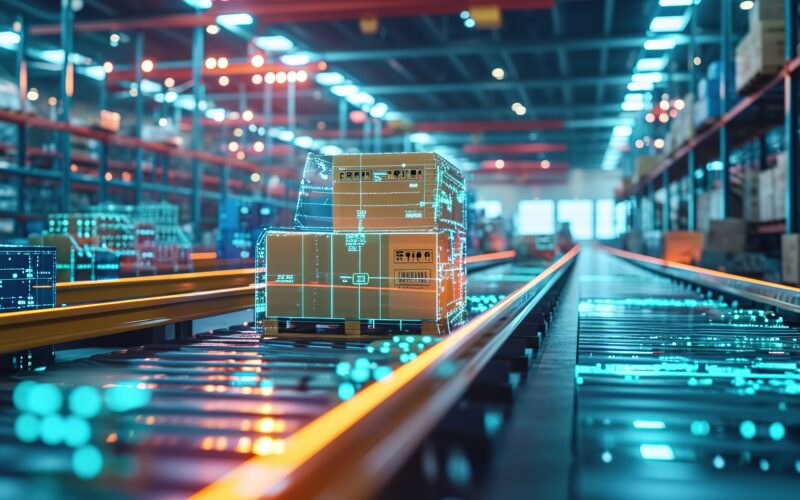
Generative AI in Logistics : Use Cases, Data Strategies, and the Future of Automation
Logistics operations generate enormous amounts of information every day. Shipment records, invoices, customer requests, inventory data, carrier updates, delivery schedules, and operational reports all need to be processed and understood. For years, businesses…