Autonomous Logistics: How AI Is Moving Supply Chains From Automation to Autonomy
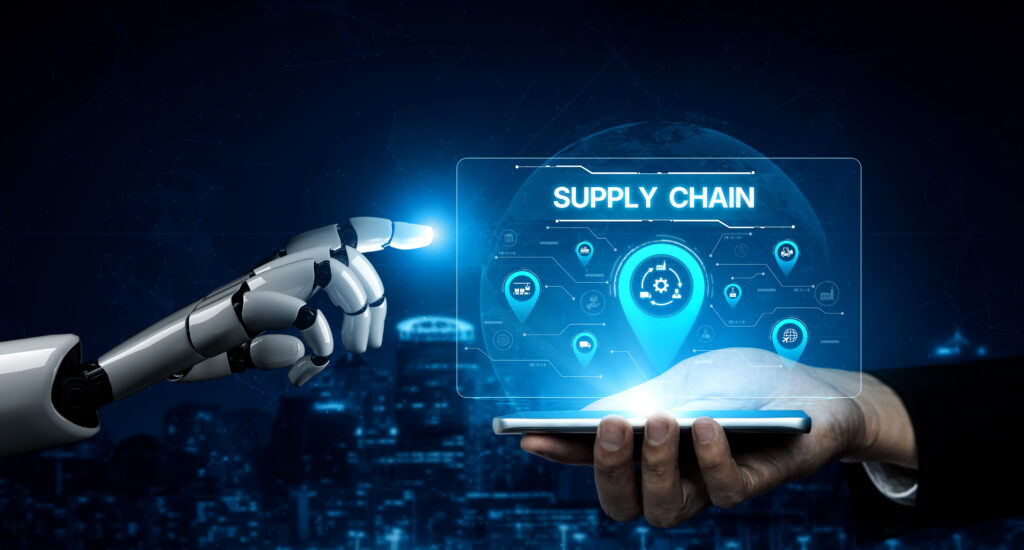
For years, logistics companies have focused on automation. Warehouses use robots, software tracks shipments, and systems automate repetitive tasks. These technologies have made logistics faster and more efficient, but most still depend on people to make the important decisions.
Autonomous logistics takes the next step.
Autonomous logistics systems go beyond automating tasks they monitor operations, adapt to change, and act with minimal human input. This is transforming how companies manage transportation, warehousing, inventory, and supply chains.
What Is Autonomous Logistics?
It refers to logistics operations where AI-powered systems can observe conditions, make decisions, and execute actions with minimal human involvement.
Traditional automation generally follows predefined rules. For example, a warehouse system may automatically assign an order to a worker or robot based on fixed instructions.
Autonomous logistics goes further. An AI system can evaluate multiple factors, identify a problem, consider available options, and select an appropriate response.
For example, if a shipment is delayed, an autonomous system can detect the problem, evaluate alternatives, and initiate a new plan.
People still handle complex or critical decisions, but AI manages routine operations that once needed constant manual oversight.
Automation vs. Autonomy in Logistics
The difference between automation and autonomy is important.
Logistics automation typically focuses on making existing processes faster and more consistent. It can automate tasks such as:
- Creating shipping documents
- Updating shipment statuses
- Sorting warehouse orders
- Sending notifications
- Scheduling routine activities
- Processing repetitive data
Autonomous logistics focuses on decision-making as well as execution.
An autonomous system may ask:
- What is happening right now?
- Why is this happening?
- What could happen next?
- What is the best response?
- Can the system act on that response?
This is where AI in logistics becomes more valuable. Instead of simply following instructions, AI can help logistics operations respond to changing conditions.
How AI Enables Autonomous Logistics
Artificial intelligence provides the intelligence layer required for autonomous operations.
AI can process information from transportation systems, warehouse platforms, inventory records, sensors, customer orders, and other sources. It can then identify patterns and support decisions.
Several technologies contribute to this shift.
Predictive Intelligence
AI can analyze historical and real-time information to identify potential delays, demand changes, inventory issues, or capacity problems before they become larger disruptions.
Intelligent Decision-Making
AI can compare different options based on factors such as cost, delivery time, available capacity, and operational constraints.
Real-Time Response
Autonomous systems can continuously monitor operations and respond when conditions change rather than waiting for a scheduled review.
AI Agents
AI agents can perform multi-step logistics tasks. Instead of requiring a person to manually coordinate several systems, an AI agent can gather information, evaluate options, and complete defined actions based on business rules.
Together, these capabilities help create Autonomous Logistics Systems that can operate with greater independence.
Where Autonomous Logistics Can Be Used
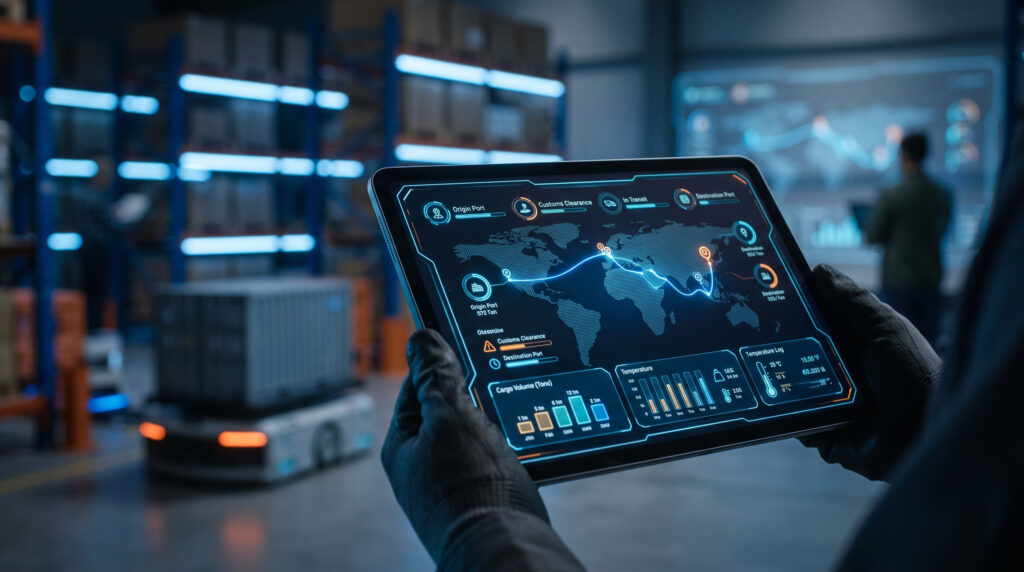
Autonomous logistics can influence almost every part of the supply chain.
Transportation
AI can help monitor transportation conditions, identify delays, optimize routes, and adjust plans as circumstances change.
Instead of creating a transportation plan once and leaving it unchanged, an autonomous system can continuously evaluate whether the plan still makes sense.
Warehousing
Autonomous warehouses can combine robotics, computer vision, AI, and warehouse management systems to coordinate activities.
AI can help determine where inventory should be stored, which orders should be prioritized, and how resources should be allocated.
Inventory Management
AI can monitor inventory levels, demand patterns, supplier performance, and order activity. Autonomous systems can then support replenishment decisions before stock shortages become operational problems.
Order Fulfillment
When order volumes or priorities change, autonomous systems can adjust fulfillment activities based on current conditions.
This can help organizations manage high order volumes without relying entirely on manual coordination.
The Role of Autonomous Supply Chains
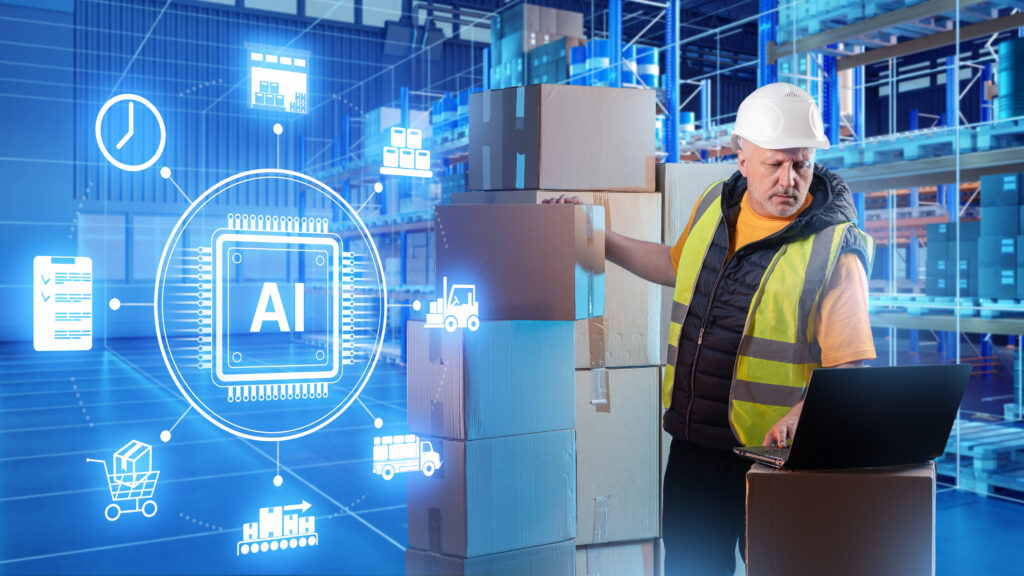
Autonomous logistics is one part of a broader move toward the Autonomous Supply Chain.
A truly autonomous supply chain connects decisions across procurement, inventory, manufacturing, warehousing, transportation, and fulfillment.
For example, a change in customer demand could trigger a chain of responses. AI could identify the demand shift, evaluate inventory levels, adjust replenishment requirements, review transportation capacity, and alert decision-makers when human approval is needed.
This creates a more connected operating model.
Rather than optimizing each function separately, AI in Supply Chain can help organizations coordinate decisions across the entire flow of goods.
Benefits of Autonomous Logistics
The move toward autonomy can provide several practical benefits.
Faster decisions: AI can analyze information continuously instead of waiting for manual reviews.
Lower workload: Employees spend less time monitoring repetitive processes and more time handling exceptions and strategic work.
Better responsiveness: Autonomous systems can react when demand, transportation conditions, or inventory requirements change.
Improved efficiency: AI can identify opportunities to reduce unnecessary movement, delays, idle capacity, and other operational waste.
Stronger resilience: When disruptions occur, autonomous systems can help identify alternatives and respond faster.
Challenges of Moving Toward Autonomy
Autonomous logistics does not mean removing people from logistics operations.
Data quality is one of the biggest challenges. AI depends on accurate, timely information. Poor data can lead to poor recommendations and decisions.
System integration is another concern. An autonomous operation may need information from transportation, warehouse, inventory, order management, and other systems.
Organizations also need clear rules around which decisions AI can make independently and which require human approval.
Security, accountability, employee training, and change management also become increasingly important as more operational decisions are supported by AI.
For these reasons, the transition should be gradual. Companies can begin with specific processes where AI can deliver measurable value before expanding autonomy across the broader supply chain.
What Is Next for Autonomous Logistics?
The future of Autonomous Logistics will likely involve greater coordination between AI software, robotics, connected equipment, and human teams.
The most advanced operations will not necessarily be those with the most automation. They will be those that can connect data, intelligence, decision-making, and execution effectively.
This means the future of Artificial Intelligence in Logistics is not simply about replacing manual tasks. It is about creating logistics operations that can understand what is happening and respond appropriately.
Human expertise will remain important. AI can handle large volumes of information and routine operational decisions, while people provide oversight, business judgment, and accountability.
Final Thoughts
The shift from automation to autonomy in logistics enables operations to respond intelligently to change. As AI systems advance, supply chains become faster, more responsive, and less reliant on manual input.
Companies that strategically adopt autonomy with good data, connected systems, and oversight will lead the next wave of intelligent logistics.
FAQs
- What is autonomous logistics?
It uses AI and connected technologies to monitor logistics operations, make decisions, and take action with limited human intervention.
- What is the difference between logistics automation and autonomous logistics?
Logistics automation primarily automates predefined tasks. Autonomous logistics adds the ability to analyze changing conditions, make decisions, and respond to those conditions.
- How does AI support autonomous supply chains?
AI can analyze data across inventory, transportation, warehousing, orders, and other supply chain functions. It can identify patterns, predict potential issues, and support or execute operational decisions.
- Will autonomous logistics replace logistics professionals?
Not at all. Autonomous systems are more likely to reduce repetitive work and support decision-making.