
Global Logistics and Supply Chain Management: A Complete Guide
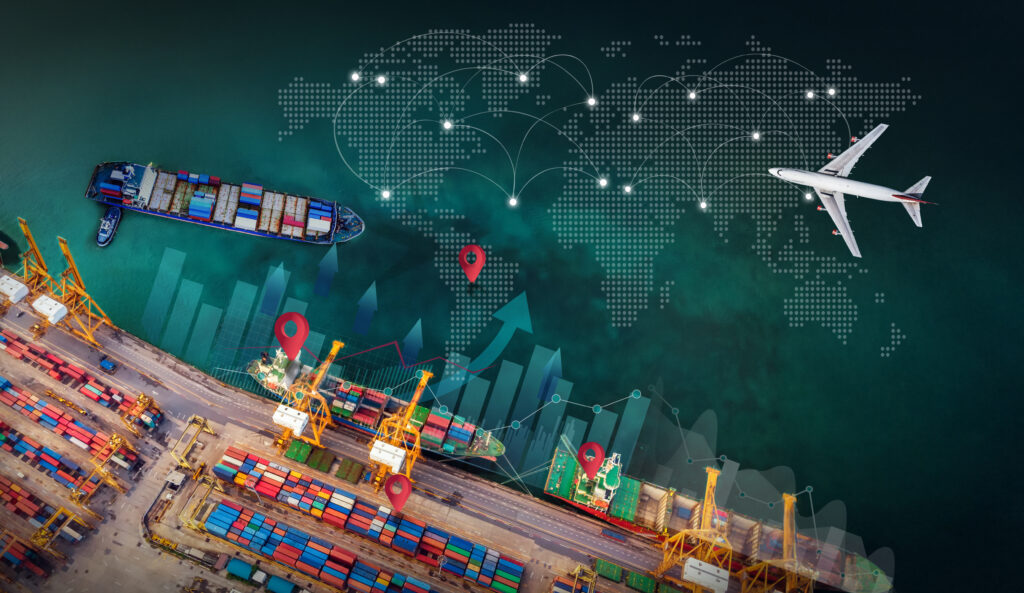
Today, businesses rarely ever operate in a single market. Products may be manufactured in one country, kept in another, and delivered to customers in many regions. Coordination between suppliers, warehouses, carriers, customs officials, and buyers is necessary to manage this flow.
This is where global logistics becomes essential. It focuses on managing the international movement and storage of goods while coordinating the information and processes behind each shipment.
From transportation and inventory to customs and supplier coordination, effective global logistics management helps businesses move products across borders while balancing cost, speed, compliance, and customer expectations.
What Is Global Logistics?
It is the planning, coordination, and management of goods as they move across international borders. It includes transportation, warehousing, inventory management, customs procedures, documentation and coordination with suppliers and logistics providers.
Unlike domestic logistics, international operations involve additional factors such as different regulations, currencies, transportation networks, trade requirements, and time zones.
The basic objective remains the same: get the right products to the right destination at the right time and at an acceptable cost.
What Are Global Logistics Activities?
Transportation
Transportation connects suppliers, manufacturers, distribution centers, warehouses, and customers.
Businesses need to select suitable transportation modes based on shipment size, delivery requirements, product characteristics, and cost.
Warehousing
International businesses often use warehouses and distribution centers in different markets.
Strategic warehouse locations can help businesses position inventory closer to customers while supporting faster fulfillment.
Inventory Management
Managing inventory across multiple countries can be challenging.
Businesses need to understand demand, supplier lead times, transportation schedules, and regional requirements to avoid excessive inventory or stock shortages.
Customs and Compliance
International shipments must meet the requirements of the countries they enter and leave.
Customs documentation, duties, tariffs, product classifications, and import regulations can all affect shipment movement.
Documentation
International trade involves considerable documentation.
Invoices, shipping documents, certificates, customs records, and other paperwork must be accurate and available at the appropriate stages of the shipment.
Managing Global Logistics
Managing logistics involves coordinating with manufacturers, freight forwarders, customs brokers, carriers, warehouses, and distribution partners.
Poor coordination can cause major delays, but technology like management systems, tracking platforms, and analytics tools centralizes information and improves visibility across the network.
What Is Global Logistics Management?
It involves planning and controlling international logistics activities to ensure goods move efficiently across the supply chain.
It includes decisions about:
- Transportation modes
- Carrier selection
- Warehouse locations
- Inventory levels
- Shipment schedules
- Customs requirements
- Freight costs
- Delivery performance
Effective management means balancing several logistics priorities, not just focusing on one area.
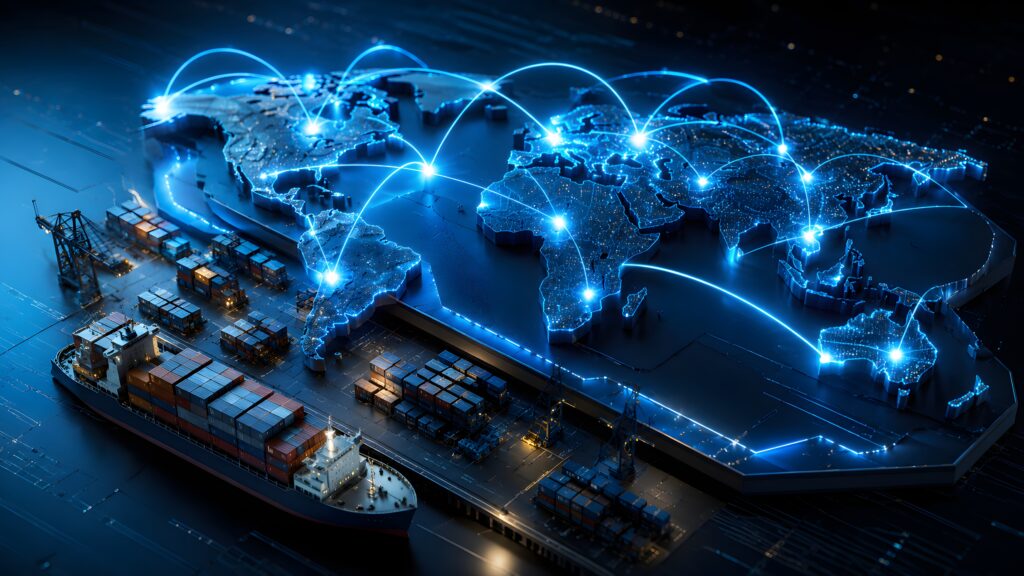
Challenges of Global Logistics
International logistics can introduce challenges that businesses do not typically face in domestic operations.
Complex Regulations
Different countries have different import, export, customs, and product requirements. Businesses need processes that help them remain compliant across markets.
Transportation Disruptions
Weather events, port congestion, geopolitical developments, labor disruptions, and infrastructure problems can affect international transportation.
Limited Visibility
A shipment can pass through various carriers and logistics providers. Without connected tracking systems, businesses may struggle to understand exactly where goods are or why a shipment has been delayed.
Higher Coordination Requirements
Managing various suppliers, carriers, warehouses, and distribution partners needs strong communication and correct information.
Cost Management
International freight costs can vary based on fuel prices, transportation capacity, tariffs, exchange rates, and market conditions.
How Technology Is Changing Global Logistics
Technology is vital in global logistics, with transportation and warehouse management systems improving planning, carrier management, and inventory visibility.
AI helps in forecasting, risk detection, route optimization, and inventory planning, while real-time tracking enhances shipment visibility.
The focus should be on using technology to solve specific logistics problems and connect information across the network.
Global Logistics and Supply Chain Management
It is an important part of broader supply chain management.
Supply chain management covers a wider range of activities, including sourcing, procurement, production, inventory, logistics, and customer fulfillment.
Global logistics focuses more specifically on the movement and storage of goods across international networks.
When these functions work together, businesses can make better decisions about sourcing, inventory positioning, transportation, and customer fulfillment.
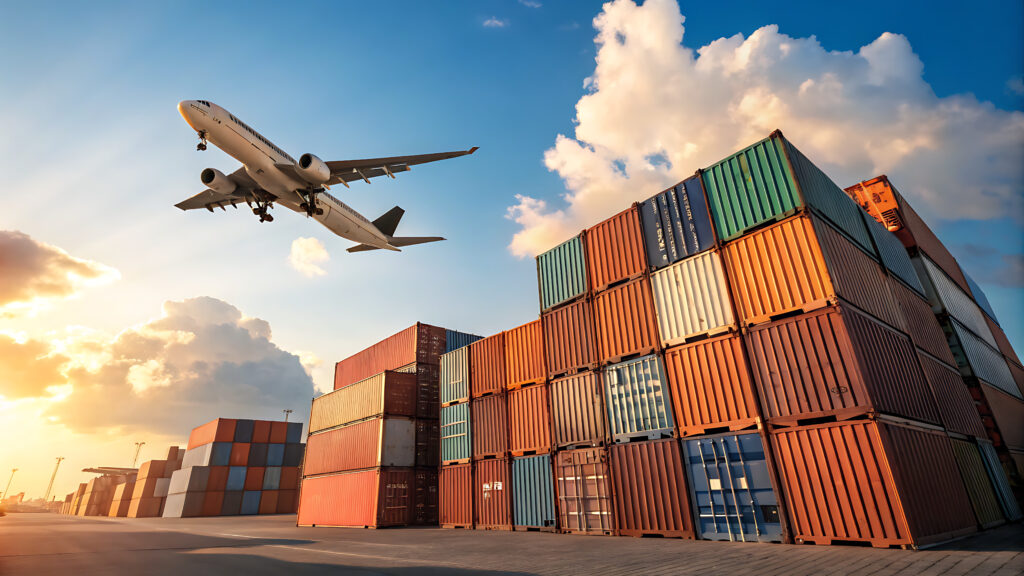
Global Logistics in the USA
The logistics USA market relies on ports, airports, rail, highways, warehouses, and freight forwarders to move goods domestically and internationally.
U.S. businesses must coordinate international freight with domestic distribution, as shipments need customs clearance, inland transport, warehousing, and delivery after arriving at a U.S. port.
This highlights the need for collaboration between international and domestic logistics.
How Businesses Can Improve Global Logistics Management
Businesses looking to improve their international logistics operations should focus on several areas:
Improve visibility: Use connected tracking and logistics systems to monitor shipments and inventory.
Review transportation strategies: Compare transportation modes, routes, carriers, and delivery requirements.
Strengthen supplier coordination: Maintain clear communication and reliable information across suppliers and logistics partners.
Plan for disruptions: Develop alternative routes, suppliers, and transportation options where appropriate.
Use data effectively: Track freight costs, delivery performance, inventory levels, and recurring delays to identify areas for improvement.
Final Thoughts
Global logistics links businesses to worldwide suppliers, markets, and customers, requiring coordination of transport, inventory, warehousing, customs, and multiple partners.
Effective planning, reliable data, strong partnerships, and technology for network visibility are essential. Well-managed global logistics help organizations control costs, handle disruptions, and ensure consistent delivery as supply chains evolve.
FAQs
1. What is global logistics?
It is the management of the movement and storage of goods, information, and related activities across international borders.
2. What is the difference between global logistics and supply chain management?
While supply chain management includes more general tasks including sourcing, acquiring, production, inventory, logistics, and fulfillment, global logistics is especially concerned with the international transit and storage of goods.
3. What is global logistics management?
Global logistics management involves planning, coordinating, and controlling international transportation, warehousing, inventory, customs, and other logistics activities to move goods efficiently across borders.