Transportation Management: A Complete Guide to Smarter Logistics and Supply Chains
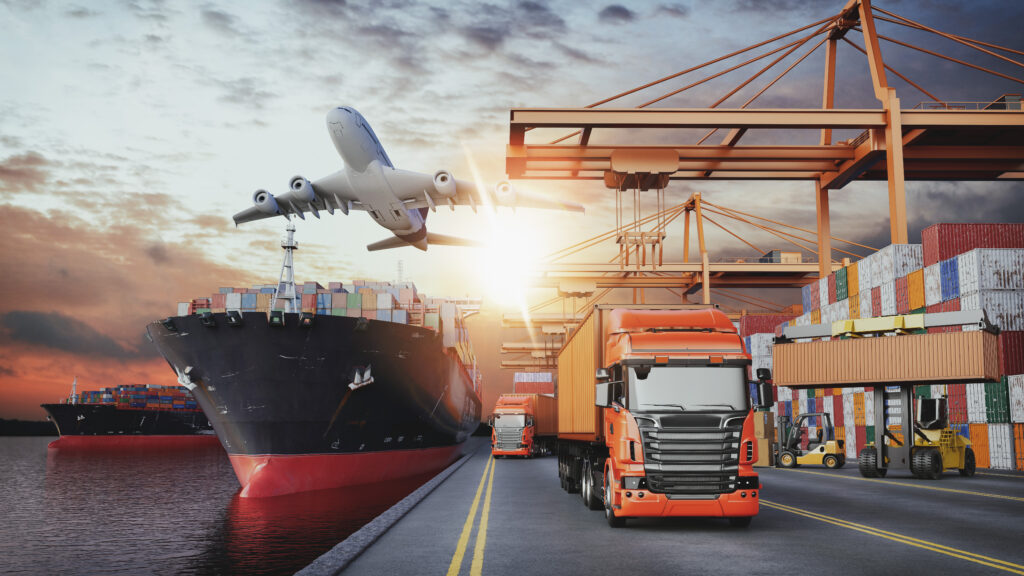
Transportation can represent a significant portion of overall logistics costs. Poor planning can lead to empty vehicle capacity, inefficient routes, unnecessary fuel consumption, and missed delivery windows.
Strong transportation management helps businesses identify these inefficiencies and improve how shipments are planned and executed.
Linking transportation to supply chain activities allows teams with real-time inventory and order data to make better shipping decisions.
Key Components of Transportation Management
1. Transportation Planning
Planning determines how and when goods should be transported.
Businesses need to consider shipment size, delivery deadlines, available vehicles, carrier capacity, routes, and transportation costs.
Effective planning helps avoid unnecessary trips and ensures shipments are aligned with warehouse and customer requirements.
2. Route Optimization
Route planning has a direct effect on delivery times and transportation costs.
Businesses can evaluate multiple routes based on distance, traffic, delivery windows, road conditions, and vehicle capacity.
Modern technology can analyze these factors quickly and recommend efficient routes, helping businesses respond when conditions change.
3. Carrier Management
Businesses often work with multiple transportation providers.
Carrier management involves comparing rates, monitoring performance, assigning shipments, and maintaining relationships with transportation partners.
Tracking carrier performance can help businesses identify which providers consistently meet delivery requirements and where improvements may be needed.
4. Shipment Tracking
Visibility is an important part of modern transport logistics.
Shipment tracking allows businesses to monitor goods while they are in transit and identify potential delays.
Better visibility also allows businesses to provide customers with more accurate delivery updates.
5. Freight Cost Management
Transportation costs can vary based on distance, fuel prices, shipment volume, carrier rates, and transportation mode.
Businesses can use transportation data to identify unnecessary expenses and evaluate whether shipments are being planned efficiently.
Businesses can evaluate multiple routes based on distance, traffic, delivery windows, road conditions, and vehicle capacity.
Modern technology can analyze these factors quickly and recommend efficient routes, helping businesses respond when conditions change.
What Is a Transport Management System?
A Transport Management System, commonly called a TMS, is software designed to help businesses manage transportation activities from planning through delivery.
A TMS can provide tools for:
- Shipment planning
- Carrier management
- Route optimization
- Freight tracking
- Cost analysis
- Delivery performance
- Transportation reporting
The transport management system in logistics has become increasingly important as businesses manage larger transportation networks and more complex delivery requirements.
Instead of relying on spreadsheets and disconnected communication, teams can manage transportation information through a centralized system.
Benefits of a Transport Management System
A TMS can improve logistics operations in several ways.
Better Visibility
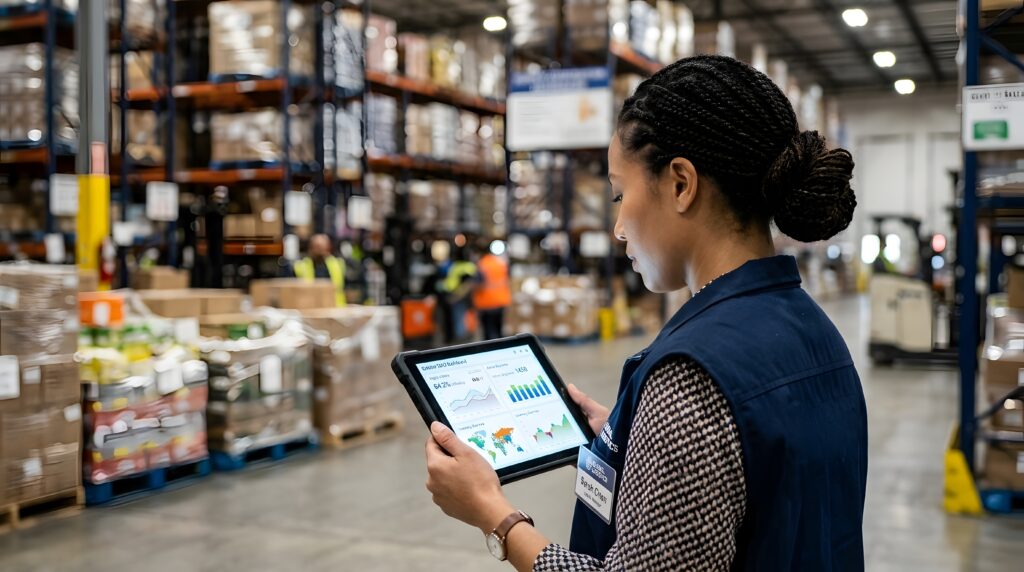
Businesses can monitor shipments and transportation activity from a centralized platform.
Lower Transportation Costs
Route optimization, shipment consolidation, and better carrier selection can help reduce unnecessary transportation expenses.
Improved Delivery Performance
Better planning and real-time tracking can help businesses identify potential delays and respond more quickly.
Less Manual Work
Automating repetitive transportation tasks reduces administrative workload and minimizes data-entry errors.
Better Decision-Making
Transportation data provides useful insights into carrier performance, freight costs, delivery times, and operational trends.
How Technology Is Creating Smarter Logistics
Smarter logistics now relies on connected systems, automation, and real-time data. A modern TMS integrates with warehouse management, ERP, inventory, and other logistics tools, allowing information to flow seamlessly across the supply chain.
AI enhances these capabilities by analyzing transportation data to support decisions on route optimization, demand forecasting, delivery risks, and fleet utilization.
The aim isn’t full automation, but to empower teams to make faster, better-informed decisions.
Transport Logistics vs Transportation Management
These terms are closely related but have slightly different focuses.
Transport logistics generally refers to the planning and coordination involved in moving goods from one location to another.
Transportation management is the broader process of controlling and optimizing those transportation activities, including planning, carrier management, tracking, cost management, and performance analysis.
Both are essential to efficient logistics operations.
Common Transportation Management Challenges
Businesses can face several challenges when managing transportation.
Rising Costs
Fuel prices, carrier rates, maintenance expenses, and changing market conditions can increase transportation costs.
Limited Visibility
Without reliable tracking systems, businesses may struggle to identify where shipments are or why deliveries are delayed.
Inefficient Routes
Poor route planning can increase travel time, fuel consumption, and vehicle operating costs.
Capacity Management
Businesses need to match shipment requirements with available vehicle and carrier capacity.
Disruptions
Weather, traffic, vehicle problems, labor issues, and other unexpected events can affect transportation schedules.
A combination of planning, technology, and contingency strategies can help businesses respond more effectively.
How to Improve Transportation Management
Businesses looking to improve transportation management should start by examining their existing processes and performance data.
Key areas to review include:
Analyze transportation costs: Identify expensive routes, carriers, and recurring inefficiencies.
Improve shipment planning: Consolidate shipments where practical and make better use of available vehicle capacity.
Use real-time tracking: Monitor shipments and identify potential delivery problems earlier.
Measure carrier performance: Track delivery reliability, costs, and service quality.
Adopt the right technology: Use a TMS or other transportation solutions where manual processes are limiting visibility and efficiency.
The Future of Transportation Management
Transportation management is becoming increasingly intelligent and connected.
AI helps businesses find efficient routes, predict delays, and optimize fleets, while automation cuts repetitive tasks and real-time data increases visibility.
As these technologies mature, transportation management will shift from reactive to predictive, allowing businesses to anticipate and prevent disruptions.
Final Thoughts
Effective transportation management is key to controlling logistics costs, boosting delivery performance, and ensuring supply chain reliability.
With strong processes, accurate data, and the right technology, businesses can build smarter operations and stay ahead as logistics networks grow more complex.
FAQs
1. What is transportation management?
Transportation management is the process of planning, executing, tracking, and optimizing the movement of goods between different locations.
2. What is a Transport Management System?
A Transport Management System is software that helps businesses manage transportation planning, carrier selection, route optimization, shipment tracking, freight costs, and delivery performance.
3. What is a transport management system in logistics?
It provides a centralized way to plan and manage transportation activities while improving shipment visibility and operational efficiency.
4. How does technology improve transportation management?
Technology can improve transportation management through route optimization, real-time shipment tracking, automated processes, data analytics, and AI-powered recommendations.