Blog
Long-form essays, teardowns, and benchmark studies on the operational reality of AI in supply chain. We go past the press releases to the questions operators actually ask: what works in production, what it costs, and where the savings quietly leak away.
Every piece is written for the people running logistics, not the vendors selling to them, with sourced data and honest takes on where AI helps and where it doesn't.
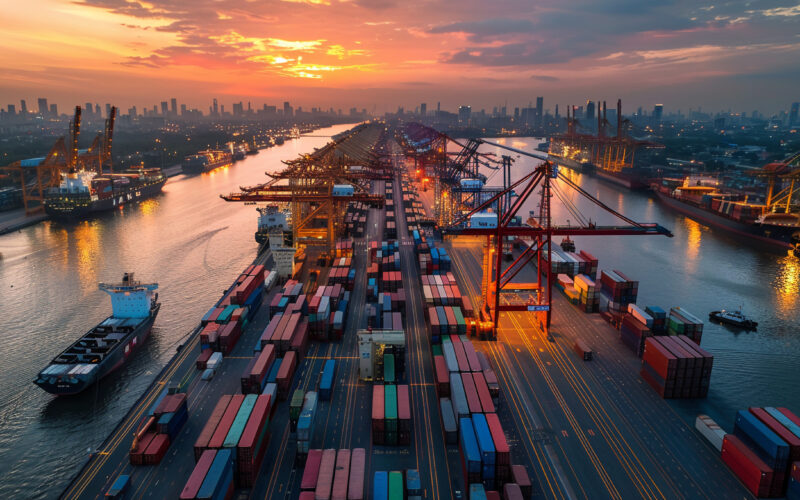
How AI Is Transforming Supply Chain Management
Supply chains have always depended on accurate information and timely decisions. But as businesses manage more suppliers, products, orders, warehouses, and transportation networks, traditional approaches are becoming harder to manage. This is where AI in supply chain management…
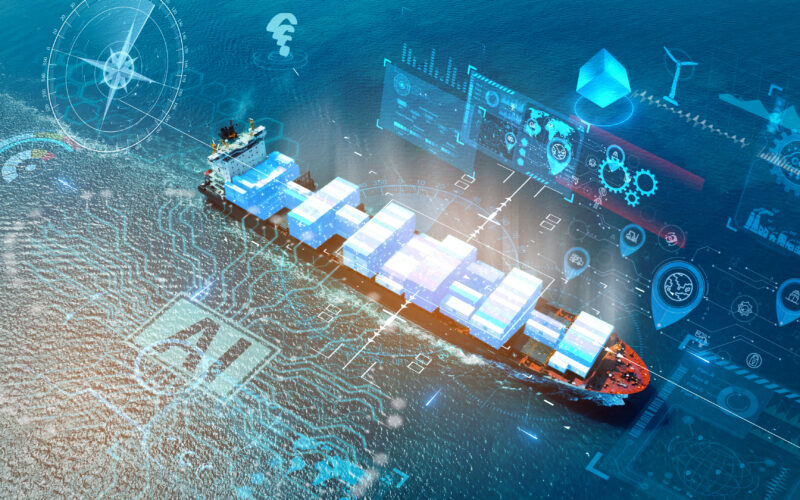
AI in Logistics 2026 : Use Cases That Actually Work
The logistics industry is moving beyond basic automation. Businesses are now using artificial intelligence to improve transportation, warehouse operations, inventory planning, forecasting, and day-to-day decision-making. But not every AI application delivers meaningful results. Some…
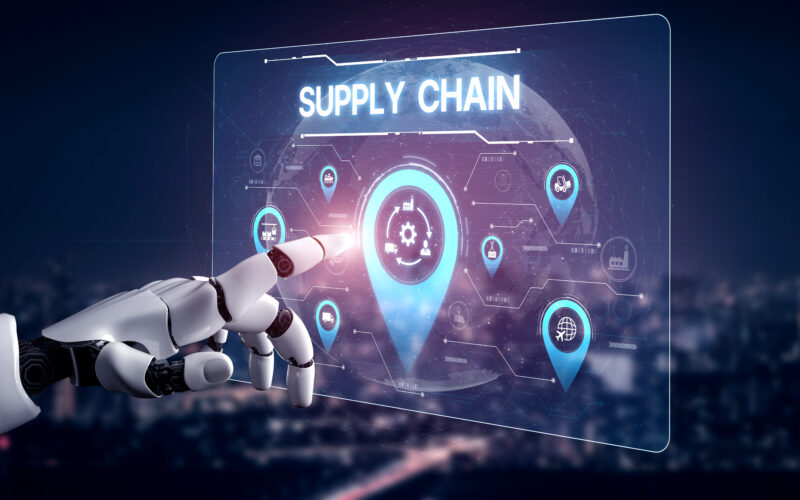
AI in supply chain : The Future of Smarter Supply Chains
Supply chains are becoming harder to manage. Businesses must deal with changing customer demand, transportation delays, inventory pressure, supplier uncertainty, and the need to deliver products faster. At the same time, every…
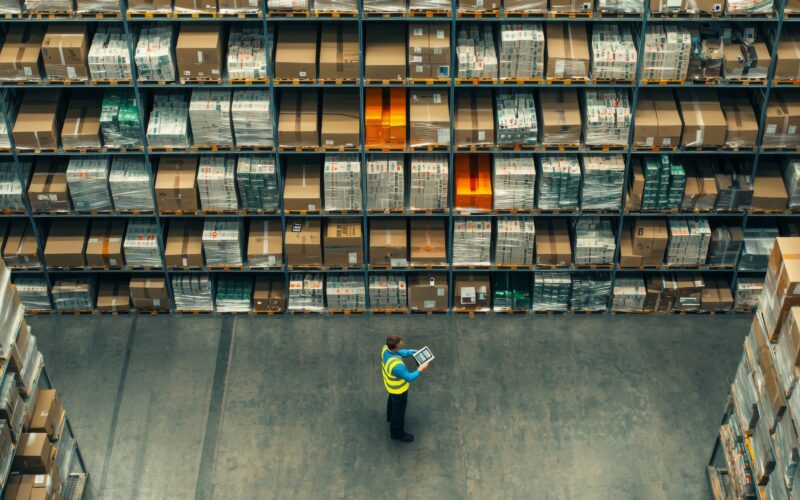
AI Inventory Management: Transforming Stock Control in the Digital Era
Inventory management has always been a balancing act. Businesses need enough stock to meet customer demand without tying up money in excess inventory. When this balance is difficult to maintain, companies can face…
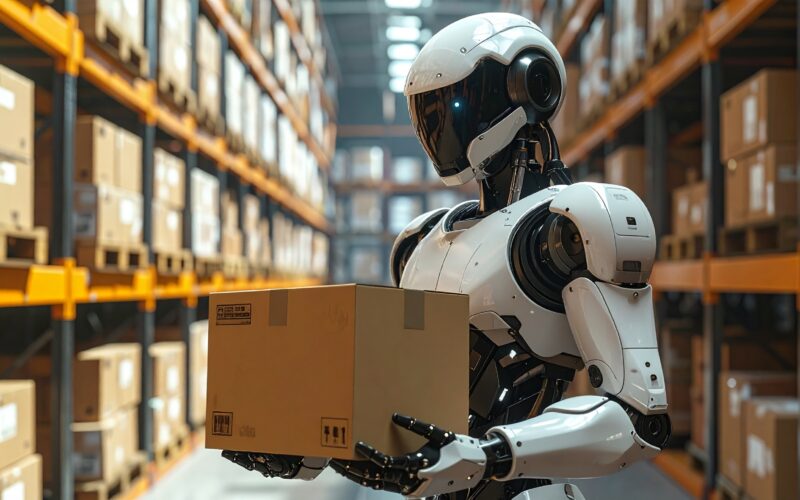
Warehouse Robotics: The Future of Smart Warehousing
Modern warehouses are expected to do more than ever before. Businesses need to process increasing order volumes, maintain accurate inventory, reduce operating costs, and deliver products faster than ever. Meeting these expectations with manual processes alone is…
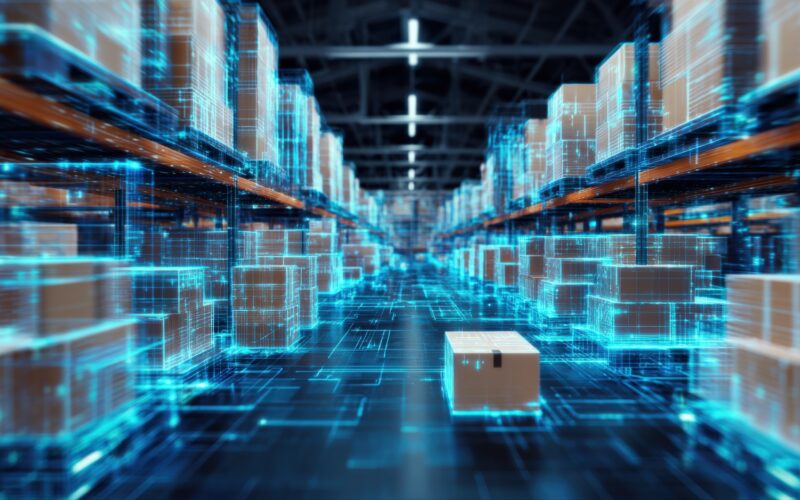
How AI Is Transforming Warehouse Management Systems (WMS)
Warehouses are under increasing pressure to process more orders, maintain accurate inventory, and meet faster delivery expectations. As supply chains become more complex, traditional warehouse systems are no longer enough to keep pace with growing…
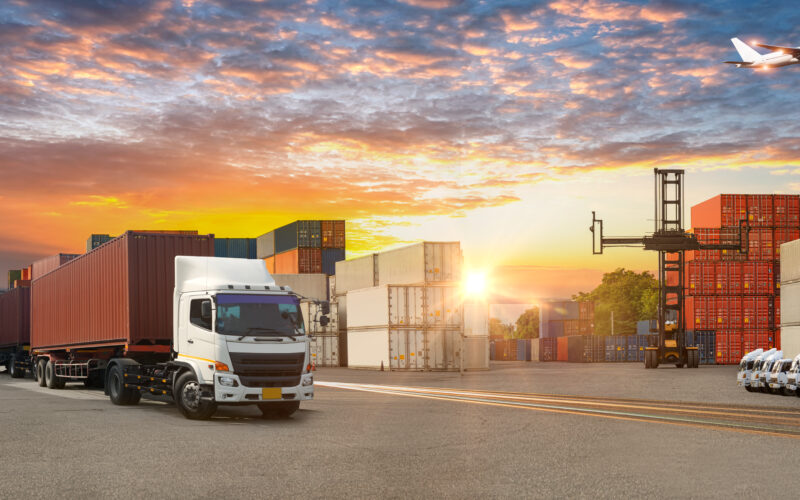
What Is a Transportation Management System (TMS)? Everything You Need to Know
Transportation is one of the most important parts of any supply chain. Whether goods are moving between warehouses, distribution centers, retail stores, or customers, businesses need an efficient way to plan, execute,…
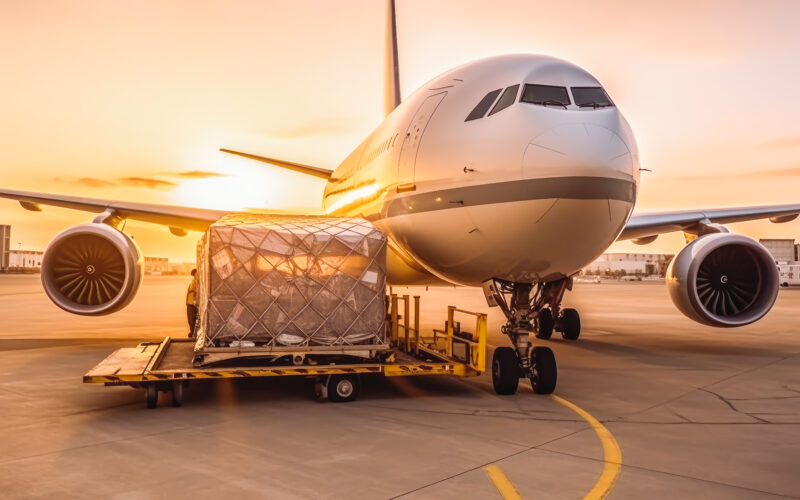
Agentic AI in Air Freight: The Future of Autonomous Cargo Operations
Air freight has always been the fastest way to move goods across the globe. It plays a critical role in transporting high-value products, pharmaceuticals, electronics, and time-sensitive shipments. However, managing air cargo…
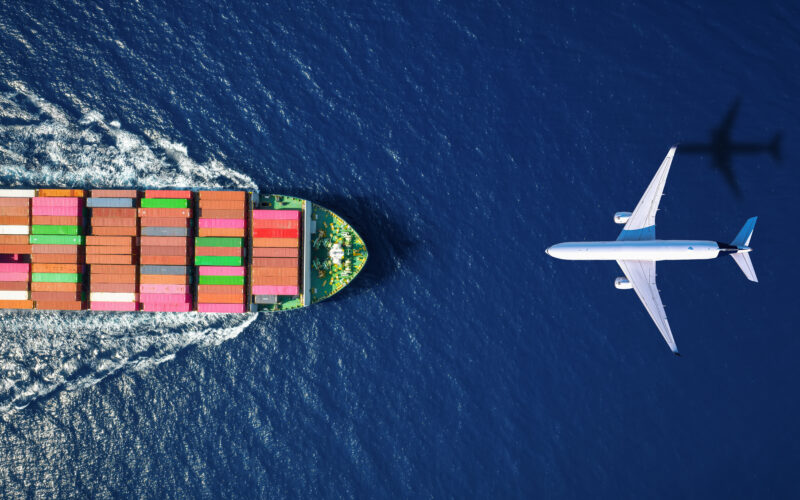
Ocean Freight vs Air Freight: How Businesses Are Choosing in 2026
Choosing the ideal shipping method is one of the most important decisions businesses make when moving goods internationally. The choice affects delivery speed, transportation costs, inventory planning, and customer satisfaction. While some shipments require…
The Future of Freight Forwarding in an AI-Driven World
Freight forwarding has always been about connecting the right carriers, routes, and documentation to move cargo efficiently across the globe. While the core responsibility hasn’t changed, the way freight forwarders operate is evolving rapidly. Growing customer…