How AI Is Transforming Warehouse Management Systems (WMS)

Warehouses are under increasing pressure to process more orders, maintain accurate inventory, and meet faster delivery expectations. As supply chains become more complex, traditional warehouse systems are no longer enough to keep pace with growing operational demands. Businesses need smarter tools that can improve efficiency while reducing manual work.
This is where artificial intelligence is making a significant impact. By combining automation, predictive analytics, and real-time data, AI is helping modern warehouse management systems become more intelligent and responsive. Instead of simply recording warehouse activity, AI enables businesses to optimize operations, anticipate challenges, and make better decisions.
In this article, we’ll explore how AI is transforming warehouse management systems, the benefits it offers, practical use cases, and what businesses should consider before adopting AI-powered warehouse solutions.
What Are Warehouse Management Systems?
Warehouse management systems (WMS) are software platforms that help businesses manage warehouse operations from receiving inventory to shipping customer orders.
A typical WMS supports tasks such as:
- Inventory management
- Order picking and packing
- Receiving shipments
- Stock replenishment
- Warehouse space utilization
- Shipment preparation
- Performance reporting
While traditional systems improve organization and visibility, many still depend on manual planning and human decision-making.
Why AI Is Being Added to Warehouse Management Systems
Warehouse operations generate massive amounts of data every day. Inventory movements, customer orders, workforce productivity, equipment usage, and shipping schedules all create valuable information.
Traditional systems record this data, but AI in Warehouse Management Systems analyzes it to identify patterns, predict future demand, and recommend the best course of action.
Instead of reacting after problems occur, businesses can make proactive decisions that improve warehouse performance.
How AI Is Transforming Warehouse Management Systems
Smarter Inventory Management
Maintaining the right inventory levels is one of the biggest warehouse challenges.
Using AI warehouse management, businesses can analyze sales trends, historical demand, and seasonal patterns to forecast inventory requirements more accurately.
This helps reduce stock shortages while avoiding unnecessary overstock.
Optimized Order Picking
Order picking is one of the most time-consuming warehouse activities.
AI identifies the most efficient picking routes based on warehouse layout, inventory locations, and order priority.
This reduces employee travel time, speeds up fulfillment, and improves overall warehouse productivity.
Better Warehouse Space Utilization
Warehouse space is a valuable resource.
AI analyzes inventory movement and product demand to recommend the best storage locations for frequently ordered products.
This allows businesses to improve accessibility while making better use of available warehouse capacity.
Predictive Maintenance
Warehouse equipment such as conveyors, forklifts, and automated sorting systems can cause costly delays when unexpected breakdowns occur.
AI in Warehouse Management Systems monitors equipment performance and identifies early warning signs that maintenance may be required.
By scheduling maintenance before failures occur, businesses can reduce downtime and improve operational reliability.
Real-Time Operational Insights
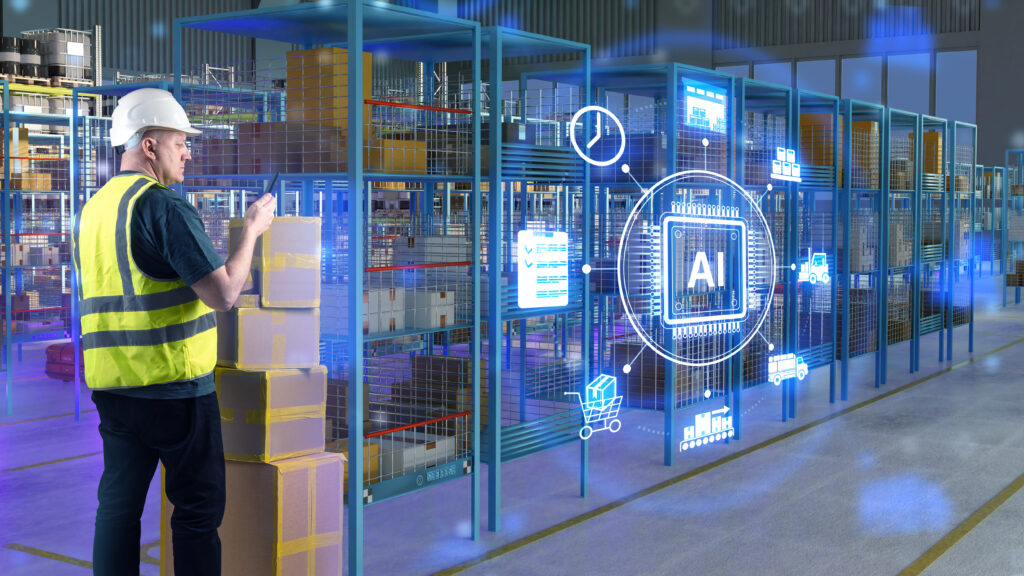
Modern warehouse management systems provide dashboards that monitor warehouse performance in real time.
AI enhances these insights by identifying operational bottlenecks, recommending workflow improvements, and highlighting areas where productivity can be increased.
Managers gain better visibility into warehouse operations without manually reviewing large amounts of data.
Benefits of AI Warehouse Management
Organizations implementing AI warehouse management often see measurable improvements across their operations.
Some of the biggest benefits include:
- Improved inventory accuracy
- Faster order fulfillment
- Better warehouse space utilization
- Reduced operational costs
- Lower manual workload
- Greater shipment accuracy
- Improved decision-making through real-time insights
Rather than replacing warehouse employees, AI supports them by automating repetitive tasks and providing recommendations that improve efficiency.
Practical Use Cases
AI is already transforming warehouse management systems across many industries.
Retailers use AI to forecast seasonal demand and improve inventory planning.
Manufacturers optimize warehouse storage based on production schedules and incoming materials.
Third-party logistics providers use AI to coordinate order fulfillment while improving labor allocation during peak periods.
E-commerce businesses rely on AI-powered picking optimization to process growing order volumes more efficiently.
These applications demonstrate how AI delivers practical improvements across modern warehouse operations.
Choosing an AI-Enabled Warehouse Management System
Not every business needs the same level of warehouse automation.
When evaluating warehouse management systems, businesses should consider:
- AI-powered inventory forecasting
- Real-time warehouse visibility
- Integration with ERP and transportation systems
- Automated reporting and analytics
- Scalability for future growth
- Cloud-based deployment
- Ease of use for warehouse teams
Selecting a solution that integrates with existing workflows will provide greater long-term value than replacing systems unnecessarily.
The Future of Warehouse Management Systems
As artificial intelligence continues to evolve, warehouse management systems will become increasingly intelligent.
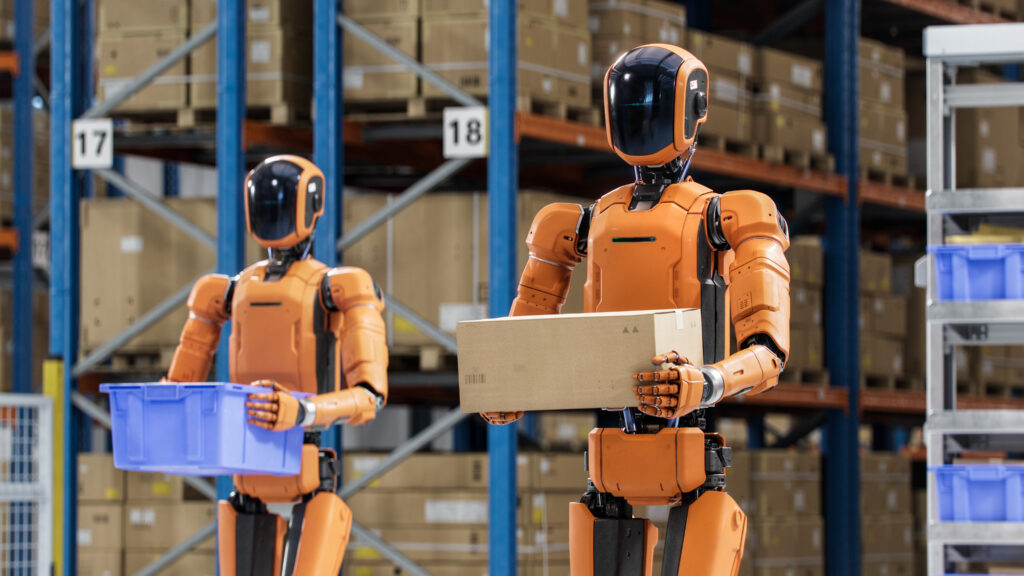
Future WMS platforms will use AI to automate inventory decisions, coordinate warehouse robots, predict disruptions, and optimize warehouse workflows with minimal human intervention.
Businesses will gain greater operational visibility while improving efficiency across the entire warehouse.
Organizations that adopt AI in Warehouse Management Systems today will be better prepared to handle growing order volumes, changing customer expectations, and increasingly complex supply chains.
Final Thoughts
Modern warehouses require more than inventory tracking. They need intelligent systems that help businesses respond quickly, improve efficiency, and make informed operational decisions.
By integrating AI warehouse management capabilities into warehouse management systems, organizations can optimize inventory, improve order fulfillment, reduce operational costs, and build more resilient warehouse operations.
As AI continues to advance, businesses that invest in intelligent warehouse technology will be better positioned to stay competitive in an increasingly fast-moving logistics industry.
FAQs
1. What are warehouse management systems?
Warehouse management systems are software platforms that help businesses manage inventory, warehouse operations, order fulfillment, and shipping activities more efficiently.
2. How does AI improve warehouse management systems?
AI in Warehouse Management Systems improves inventory forecasting, optimizes picking routes, predicts equipment maintenance, automates decision-making, and provides real-time operational insights.
3. What are the benefits of AI warehouse management?
AI warehouse management helps businesses improve inventory accuracy, reduce operating costs, increase warehouse productivity, and enhance order fulfillment.
4. Should businesses upgrade to AI-enabled warehouse management systems?
Businesses experiencing higher order volumes, warehouse complexity, or operational inefficiencies can benefit from AI-enabled warehouse management systems that improve efficiency and support long-term growth.