
Ocean Freight vs Air Freight: How Businesses Are Choosing in 2026
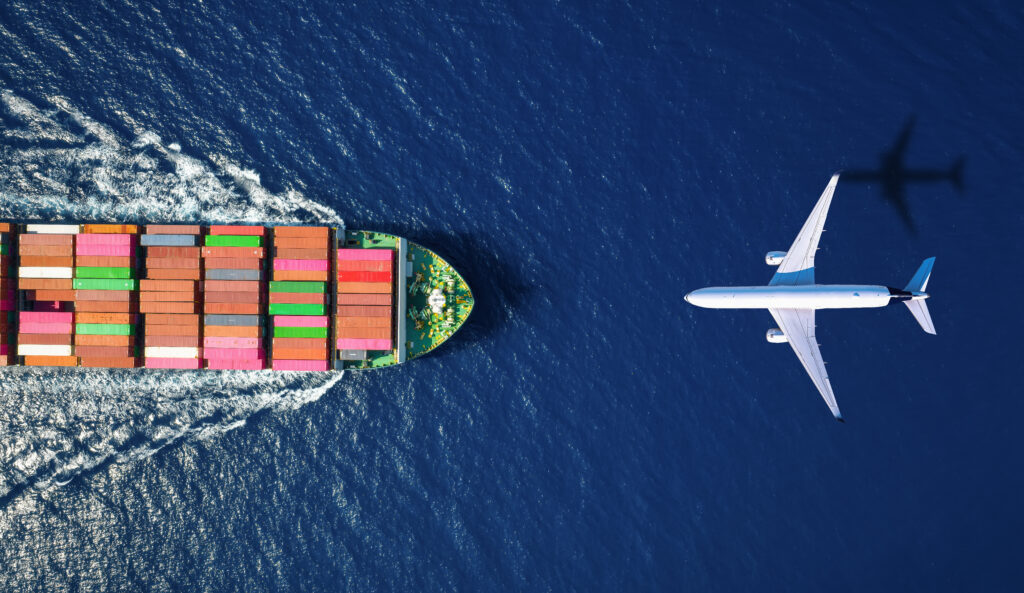
Choosing the ideal shipping method is one of the most important decisions businesses make when moving goods internationally. The choice affects delivery speed, transportation costs, inventory planning, and customer satisfaction. While some shipments require urgent delivery, others prioritize cost efficiency over speed.
For years, businesses have relied on two primary options: ocean freight and air freight. Both play a critical role in global trade, but changing customer expectations, supply chain disruptions, and advances in technology are influencing how companies make shipping decisions in 2026.
Instead of asking which option is better, businesses are asking which solution best fits their operational needs. In this guide, we’ll compare ocean freight and air freight, explore their advantages and challenges, and explain how companies are making smarter shipping decisions today.
Understanding Ocean Freight and Air Freight
Both shipping methods move goods internationally, but they serve different business needs.
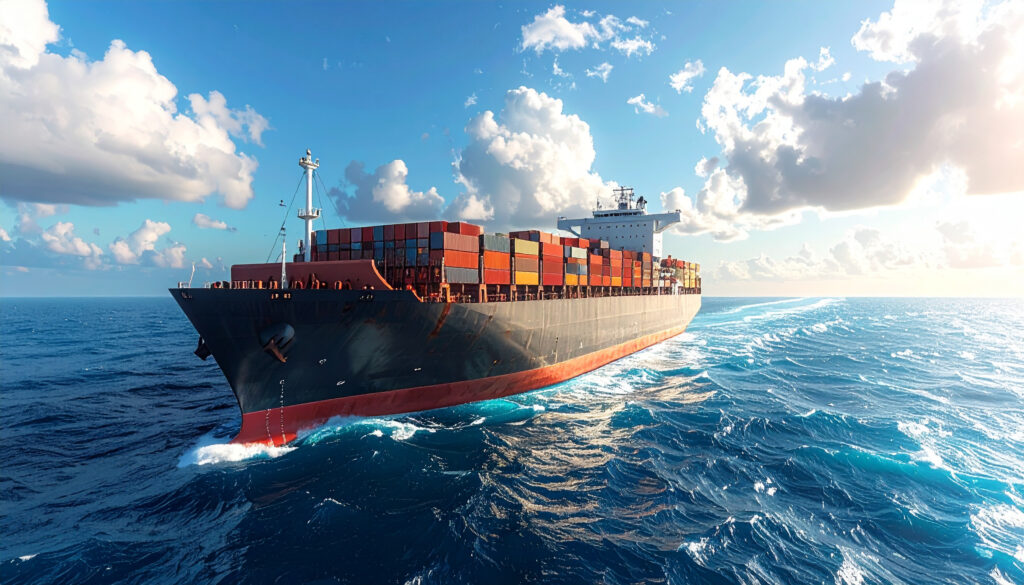
Ocean freight transports cargo by sea using container ships and is commonly used for large shipments, heavy equipment, and bulk goods. It offers the capacity to move significant volumes while keeping transportation costs relatively low.
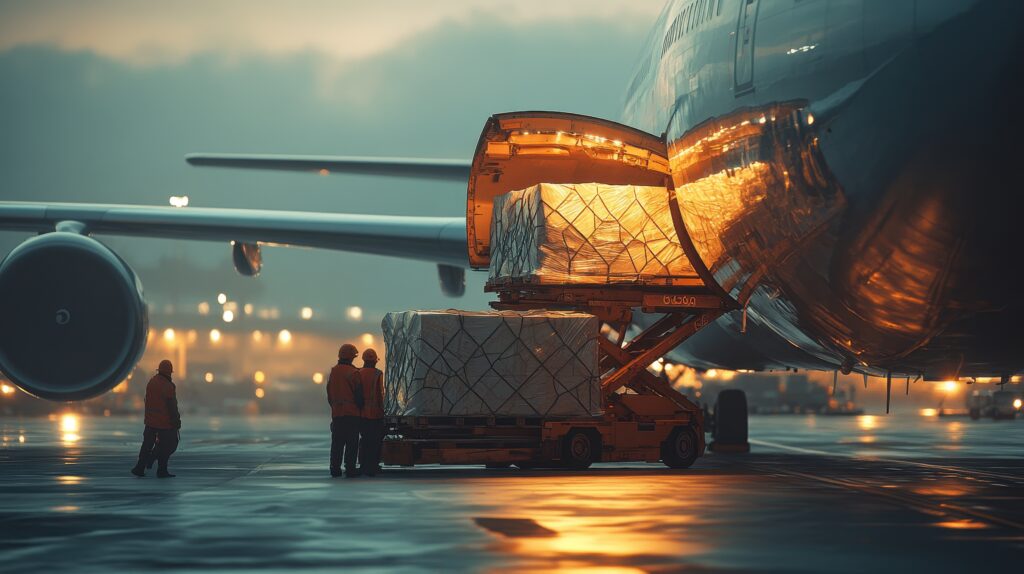
Air freight, on the other hand, transports cargo by aircraft. It is designed for businesses that need faster deliveries, especially for high-value, time-sensitive, or perishable products. Although air freight shipping is considerably faster, it generally comes with higher transportation costs.
The best choice depends on factors such as shipment size, budget, delivery deadlines, and the type of goods being transported.
Ocean Freight: Best for Cost Efficiency
For businesses moving large quantities of goods, ocean freight remains the most economical option.
Modern container shipping allows companies to transport products across international markets at a much lower cost per shipment compared to air transport. This makes it ideal for manufacturers, retailers, and importers handling regular inventory replenishment.
Advantages of Ocean Freight
- Lower transportation costs for large shipments
- Suitable for oversized and heavy cargo
- Higher cargo capacity
- Better option for non-urgent deliveries
- More environmentally efficient per unit of cargo
Challenges
- Longer transit times
- Possible delays from port congestion or weather
- Less suitable for urgent deliveries
Businesses with predictable inventory planning often choose ocean freight because the cost savings outweigh the longer delivery times
Air Freight: Best for Speed
When delivery speed is the priority, air freight is difficult to match.
International shipments that take several weeks by sea can often arrive within a few days by air. This allows businesses to respond quickly to customer demand, replenish inventory during shortages, or transport urgent goods.
Industries such as healthcare, electronics, fashion, and automotive manufacturing frequently rely on air freight shipping when delivery deadlines are critical.
Advantages of Air Freight
- Fast international delivery
- Higher schedule reliability
- Reduced inventory holding time
- Better for high-value and time-sensitive cargo
- Lower risk of product damage due to shorter transit
Challenges
- Higher shipping costs
- Weight and size restrictions
- Less practical for bulk cargo
For businesses where time directly affects revenue or customer satisfaction, the additional cost of air freight is often justified.
How Businesses Are Choosing in 2026
In 2026, businesses are making shipping decisions based on data rather than assumptions.
Instead of selecting one shipping method for every order, companies evaluate multiple factors before deciding between ocean freight and air freight.
Some of the key considerations include:
Delivery Deadlines
If products must arrive within days, air freight shipping is often the preferred option. For inventory that can be planned well in advance, ocean freight offers significant cost savings.
Transportation Costs
Businesses constantly balance delivery speed against shipping expenses. Lower-value products are typically shipped by sea, while premium or urgent products often move by air.
Product Type
Heavy machinery, industrial equipment, and bulk inventory are generally better suited to ocean freight.
Medical supplies, electronics, pharmaceuticals, and luxury goods often benefit from the speed and reliability of air freight.
Supply Chain Strategy
Many organizations now combine both shipping methods.
For example, a retailer may use ocean freight for regular inventory replenishment while using air freight shipping to restock high-demand products during seasonal sales.
This hybrid strategy improves flexibility while controlling transportation costs.
The Role of AI in Shipping Decisions
Artificial intelligence is changing how businesses choose between shipping methods.
AI analyzes demand forecasts, transportation costs, carrier schedules, weather conditions, and inventory levels to recommend the most efficient shipping option.
Rather than relying on manual planning, logistics teams can make data-driven decisions that balance speed, cost, and customer expectations.
As AI becomes more common, businesses are improving shipment planning while reducing unnecessary transportation expenses.
Which Shipping Method Is Right for Your Business?
There is no universal answer.
If reducing transportation costs is your primary objective, ocean freight is usually the better option.
If delivery speed is critical, air freight provides the fastest solution.
For many organizations, the best strategy is using both. Combining ocean freight for planned inventory with air freight shipping for urgent orders creates a flexible supply chain that can adapt to changing business needs.
Final Thoughts
The debate between ocean freight and air freight is no longer about choosing one over the other. Modern businesses understand that each shipping method serves a different purpose.
As global trade continues to evolve, companies are making smarter decisions based on delivery timelines, transportation costs, inventory requirements, and customer expectations. Technology is making these decisions even more accurate by providing better visibility and predictive insights.
Whether your priority is reducing costs through ocean freight or accelerating deliveries with air freight, choosing the right shipping strategy will remain a key factor in building an efficient and resilient supply chain.
FAQs
1. What is the difference between ocean freight and air freight?
Ocean freight transports goods by sea and is best for large, cost-sensitive shipments, while air freight transports cargo by aircraft and is designed for faster, time-sensitive deliveries.
2. When should businesses choose ocean freight?
Businesses should choose ocean freight when shipping large volumes, heavy cargo, or non-urgent inventory where reducing transportation costs is the priority.
3. What are the benefits of air freight shipping?
Air freight shipping offers faster delivery, greater schedule reliability, reduced inventory holding time, and is ideal for high-value or time-sensitive products.
4. Can businesses use both ocean freight and air freight?
Yes. Many businesses combine ocean freight for regular inventory shipments with air freight for urgent or high-priority orders to balance cost and delivery speed.