AI Logistics Software: The Future of Smarter Supply Chain Management
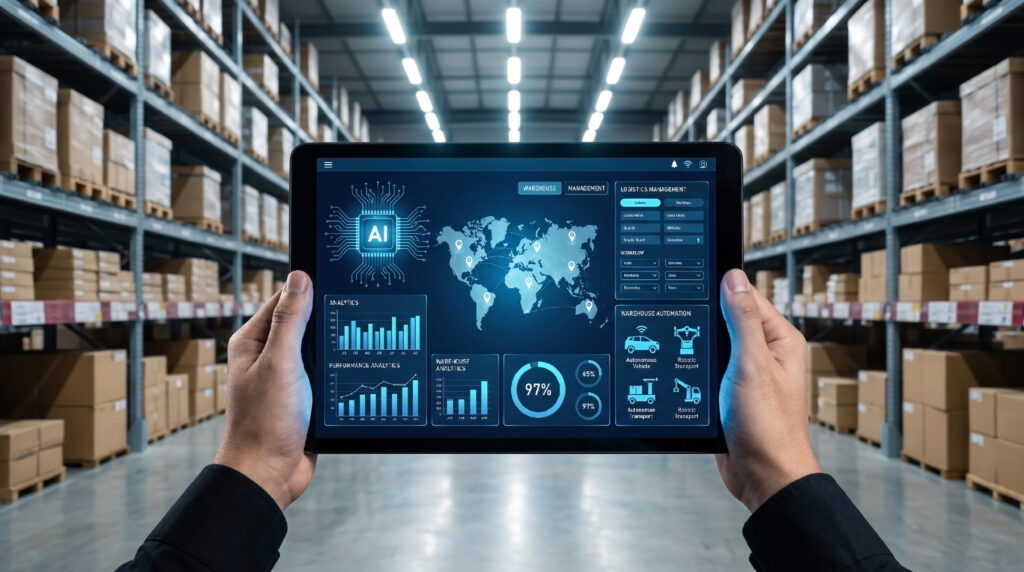
Logistics management has become increasingly complex as businesses must juggle transportation, inventory, warehouses, deliveries, suppliers, and customer expectations amidst fluctuating demand and operating conditions. While traditional logistics software can assist in organizing these tasks, it often relies on predefined rules and manual input.
AI Logistics Software is changing that approach.
Combining logistics data with AI allows businesses to analyze operations, identify patterns, and make quicker decisions. Modern software helps logistics teams understand current situations and predict future actions, leading to more responsive and smarter supply chain management.
What Is AI Logistics Software?
AI Logistics Software refers to software that uses artificial intelligence to improve logistics planning, operations, decision-making, and automation.
It can work with information from transportation systems, warehouses, inventory platforms, orders, suppliers, and other logistics processes.
Depending on the application, AI can help businesses:
- Predict transportation delays
- Optimize delivery routes
- Forecast demand
- Monitor inventory
- Identify operational issues
- Automate repetitive tasks
- Improve delivery planning
- Support logistics decision-making
The important difference is that AI does more than automate a fixed process. It can analyze changing information and provide recommendations based on current conditions.
How AI Logistics Software Is Changing Logistics Operations
Modern logistics operations involve thousands of decisions. Some are routine, while others require teams to react quickly to unexpected changes.
AI can support both.
Smarter Transportation Planning
Transportation planning becomes more difficult when routes, delivery schedules, vehicle availability, and customer requirements change throughout the day.
Logistics AI software can analyze these variables and help identify better transportation options.
Better Demand Forecasting
Demand changes can create major problems for logistics teams.
Too much inventory increases storage costs, while too little inventory can lead to delays and missed orders.
AI can analyze historical demand, order activity, seasonal patterns, and other available information to help businesses anticipate future requirements.
This allows logistics teams to plan transportation, warehouse capacity, and inventory more effectively.
Automated Warehouse Operations
Warehouses generate large amounts of operational data.
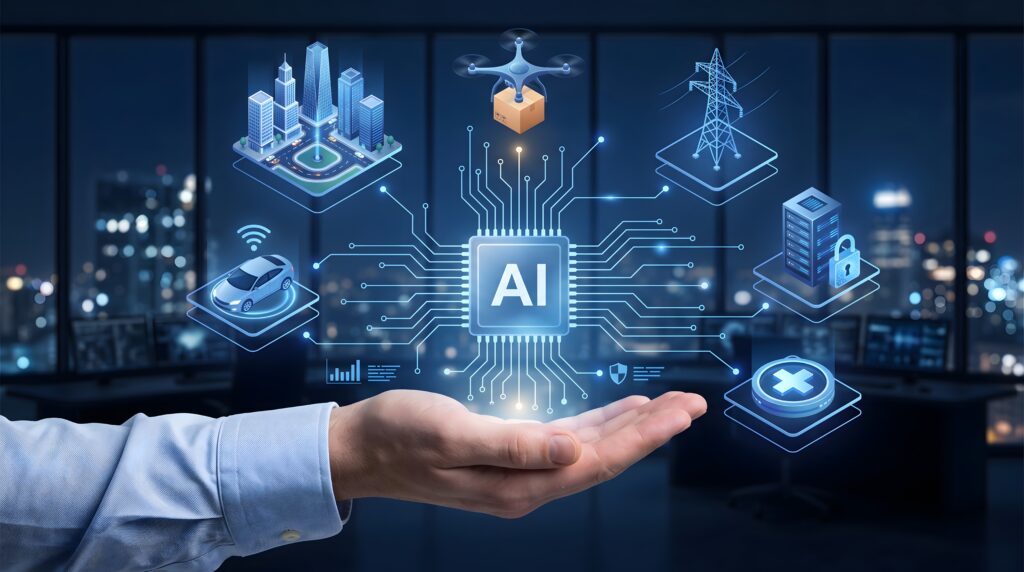
AI enhances the analysis of order volumes, inventory movement, picking activity, and warehouse capacity, and, when integrated with automation technologies, aids in resource allocation decisions.
This makes AI automation logistics software valuable for organizations looking to improve warehouse efficiency without relying entirely on manual coordination.
Key Features of AI Logistics Software
The exact capabilities vary between platforms, but effective AI Logistics Software can support several important areas.
Predictive Analytics
AI can identify patterns in logistics data and help predict potential delays, demand changes, and operational problems.
Route Optimization
AI can evaluate routes and schedules based on available information, helping businesses make more efficient transportation decisions.
Real-Time Monitoring
AI-powered systems can continuously monitor logistics activity and highlight unusual changes or potential issues.
Workflow Automation
Repetitive processes such as notifications, data entry, status updates, and routine coordination can be automated.
Decision Support
AI can bring important information together and provide recommendations that help logistics teams make faster decisions.
These capabilities make modern logistics software solutions more useful than systems that simply store and display operational information.
Benefits of AI Logistics Software
Businesses adopting AI-powered logistics technology can achieve several practical benefits.
Greater efficiency: AI can reduce repetitive manual work and help teams focus on higher-value activities.
Faster decisions: Systems can process large amounts of information quickly and highlight issues that require attention.
Lower operating costs: Better planning can help reduce unnecessary transportation, inventory, and operational expenses.
Improved visibility: Businesses can gain a clearer understanding of logistics activity across different operations.
Better customer service: More accurate planning and faster responses can contribute to reliable deliveries and improved customer experiences.
Greater adaptability: AI can respond to changing information rather than relying entirely on fixed processes.
These benefits can support the development of a Smarter Supply Chain that is better equipped to handle changing business conditions.
AI Logistics Software vs. Traditional Logistics Software
Traditional logistics software remains useful for managing essential operations. However, many systems primarily follow predefined workflows.
AI-powered systems introduce another layer of intelligence.
Traditional software may tell a logistics manager that a shipment is delayed. AI-powered software can analyze the delay, identify possible causes, evaluate alternatives, and recommend what to do next.
The goal is not necessarily to replace existing logistics platforms. In many cases, AI can work alongside them to improve the decisions and processes they already support.
How to Implement AI Logistics Software
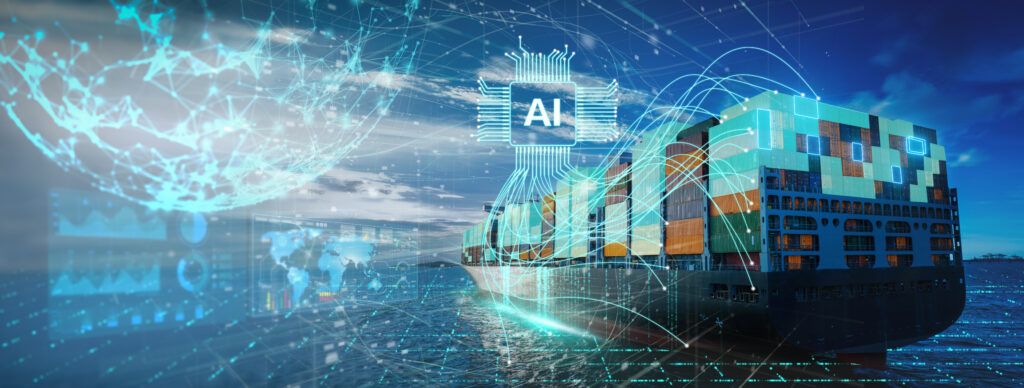
Businesses should not adopt AI merely as a trend but should focus on specific operational challenges like improving route planning or warehouse efficiency. Reliable data is crucial for AI systems to be effective.
Integration with existing logistics software is necessary, and there should be clear processes for reviewing AI recommendations and determining when human approval is needed. A focused use case facilitates measuring results and expanding AI to other logistics activities.
The Future of AI Logistics Software
The future of AI Logistics Software will likely involve greater automation, stronger prediction capabilities, and more autonomous decision-making.
AI systems are evolving from merely identifying problems to recommending and executing solutions, particularly in logistics workflows.
They could enhance Smarter Supply Chain Management by monitoring shipments, managing exceptions, and updating systems. However, human oversight remains crucial for strategic judgment and ensuring AI decisions align with business priorities.
Final Thoughts
AI Logistics Software is changing logistics from a system focused mainly on tracking and automation into one that can actively support smarter decisions.
AI can enhance business efficiency in logistics through improved transportation, warehousing, demand forecasting, and workflow automation. The key is to strategically identify logistics problems that AI can address, integrate it with reliable data and existing systems, and leverage it for better decision-making.
Thoughtful adoption of AI will enable businesses to create more efficient, adaptable, and smarter supply chain operations.
FAQs
- What is AI Logistics Software?
AI Logistics Software uses artificial intelligence to analyze logistics data, automate processes, predict potential issues, and support better operational decisions.
- How does AI improve logistics operations, and is it going to replace humans?
AI can improve logistics operations through demand forecasting, route optimization, shipment monitoring, warehouse planning, workflow automation, and decision support also no. humans remain crucial at every step, AI only focuses on repeated workload.
- What is the difference between AI logistics software and logistics automation software?
Logistics automation software primarily automates predefined tasks and workflows. AI logistics software can also analyze changing information, identify patterns, make predictions, and support more dynamic decisions.
- Is AI Logistics Software suitable for small businesses?
Yes. Businesses can start with focused applications such as route planning, demand forecasting, shipment monitoring, or repetitive workflow automation and expand as their needs grow.