
Warehouse Automation Trends Every Logistics Leader Should Know
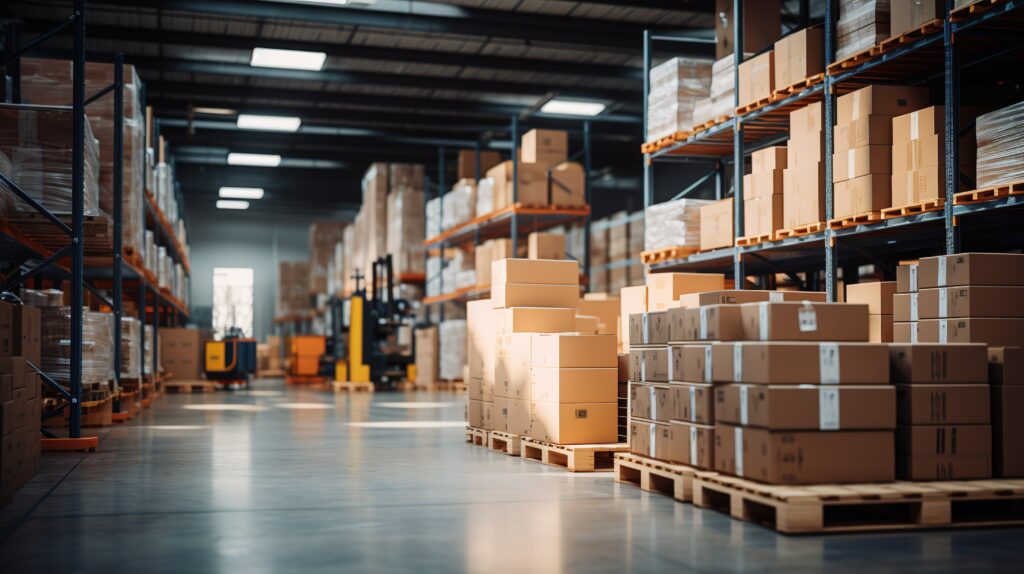
Warehouses are no longer just places to store inventory. They have become critical hubs that determine how quickly orders are processed, how accurately products are shipped, and how efficiently the entire supply chain operates. As customer expectations continue to rise, businesses need warehouses that are faster, smarter, and more adaptable.
This is why warehouse automation has become a major focus for logistics leaders. Companies are investing in intelligent technologies that improve productivity, reduce manual work, and help warehouse teams make better decisions. Understanding these warehouse automation trends can help businesses stay competitive while preparing for future growth.
Why Warehouse Automation Is Becoming Essential
Growing order volumes, labor shortages, and increasing operating costs are making manual warehouse operations harder to manage.
Traditional workflows often rely on repetitive tasks such as inventory counting, order picking, and stock movement. As operations grow, these processes become slower and more prone to errors.
Modern warehouse automation helps businesses streamline these activities while improving inventory accuracy and operational efficiency. Rather than replacing employees, automation allows warehouse teams to focus on higher-value work that requires human judgment.
1. AI Is Making Warehouses Smarter
Artificial intelligence is becoming one of the biggest drivers behind modern warehouse automation.
AI analyzes warehouse data to predict demand, optimize inventory placement, recommend picking routes, and identify operational bottlenecks before they affect productivity.
Instead of reacting to problems after they occur, businesses can make proactive decisions using real-time insights.
This shift is helping companies build a more efficient smart warehouse.
2. Robots Are Supporting Warehouse Teams
Warehouse robots are becoming more common, especially in facilities with high order volumes.
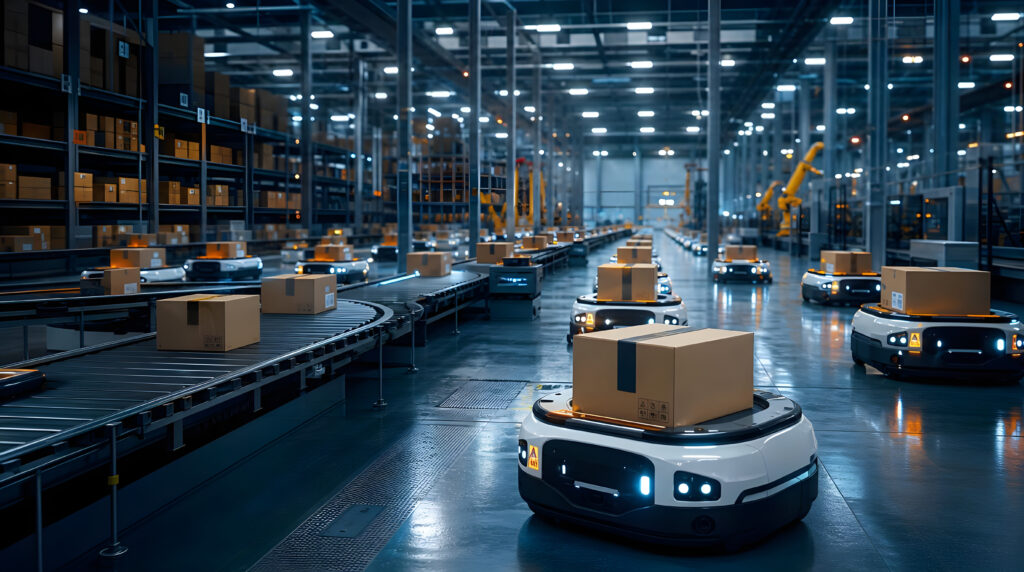
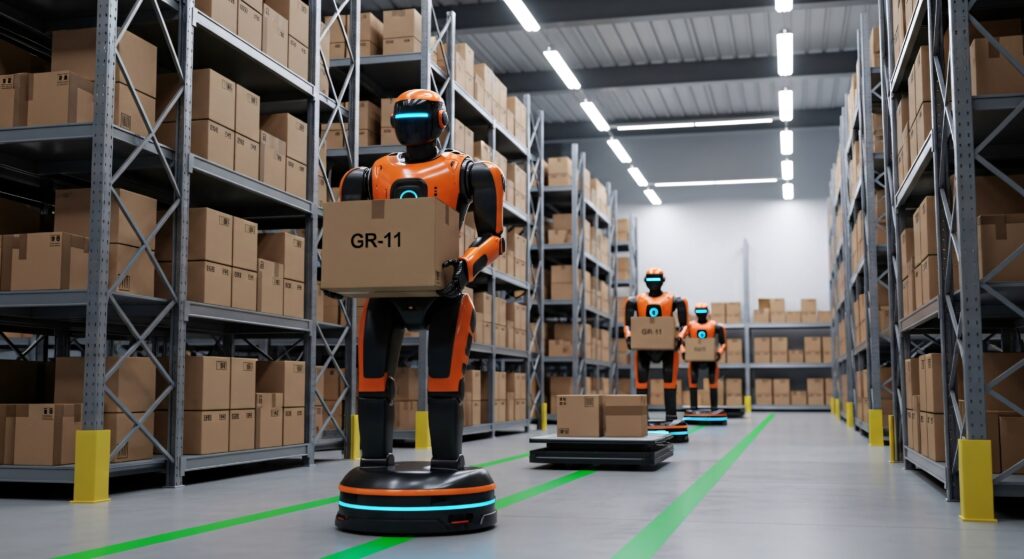
Autonomous mobile robots transport inventory between locations, while robotic picking systems assist employees with repetitive tasks.
These technologies improve productivity while allowing employees to focus on more complex warehouse activities.
The goal isn’t full automation. It’s smarter collaboration between people and technology.
3. Real-Time Inventory Visibility
Accurate inventory is the foundation of effective warehouse automation.
Modern warehouse systems use sensors, barcode scanners, RFID technology, and AI to monitor inventory movement continuously.
This gives managers real-time visibility into stock levels, helping reduce inventory errors, prevent shortages, and improve replenishment planning.
4. Smarter Order Picking
Order picking remains one of the most time-consuming warehouse activities.
AI now recommends the fastest picking routes based on warehouse layout, order priority, and inventory location.
Combined with the automation of warehouse processes, this allows businesses to complete more orders while reducing unnecessary employee travel.
5. Predictive Maintenance Is Reducing Downtime
Unexpected equipment failures can delay warehouse operations and increase maintenance costs.
AI monitors forklifts, conveyors, sorting systems, and automated equipment to identify early signs of wear.
Instead of waiting for equipment to fail, maintenance teams can schedule repairs before operations are disrupted.
6. Data-Driven Decision Making
Modern warehouses generate enormous amounts of operational data.
One of the fastest-growing warehouse automation trends is using analytics to improve warehouse performance.
Managers can monitor labor productivity, order accuracy, equipment utilization, inventory turnover, and fulfillment speed through real-time dashboards.
This helps businesses make informed decisions based on measurable performance rather than assumptions.
7. Cloud-Based Warehouse Management Systems
Cloud technology is making warehouse automation more flexible and scalable.
Instead of relying on disconnected software, businesses can manage inventory, warehouse operations, transportation, and reporting through a centralized platform.
Cloud-based systems also make it easier to integrate AI, robotics, and future technologies as warehouse operations continue to evolve.
How Businesses Can Prepare
Not every warehouse needs advanced robotics on day one.
The best approach is to identify the biggest operational challenge first. For some businesses, improving inventory accuracy delivers the highest return. Others may benefit more from automating order picking or improving warehouse visibility.
Choosing scalable technology also allows businesses to expand their warehouse automation strategy over time without replacing existing systems.
Most importantly, successful automation depends on employee training. Technology delivers the best results when warehouse teams understand how to use it effectively.
Final Thoughts
The future of warehousing will be defined by intelligence, flexibility, and continuous improvement. Today’s warehouse automation trends show that businesses are moving beyond simple automation and building connected operations that improve decision-making, inventory management, and order fulfillment.
Whether you’re planning a new smart warehouse or expanding the automation of warehouse processes in an existing facility, investing in the right technologies today can improve efficiency, reduce operating costs, and prepare your business for long-term growth.
FAQs
1. What is warehouse automation?
Warehouse automation uses technologies such as AI, robotics, software, and automated equipment to improve inventory management, order fulfillment, and warehouse efficiency.
2. What is a smart warehouse?
A smart warehouse uses connected technologies like AI, sensors, robotics, and cloud-based software to automate operations and improve real-time decision-making.
3. What are the latest warehouse automation trends?
Some of the leading warehouse automation trends include AI-powered inventory management, warehouse robotics, predictive maintenance, real-time analytics, cloud-based warehouse systems, and automated order picking.
4. Is warehouse automation suitable for small businesses?
Yes. Businesses can adopt warehouse automation gradually by automating high-impact processes first and expanding as their operations grow.