Smart Warehouse Solutions: How AI Is Redefining Warehouse Performance
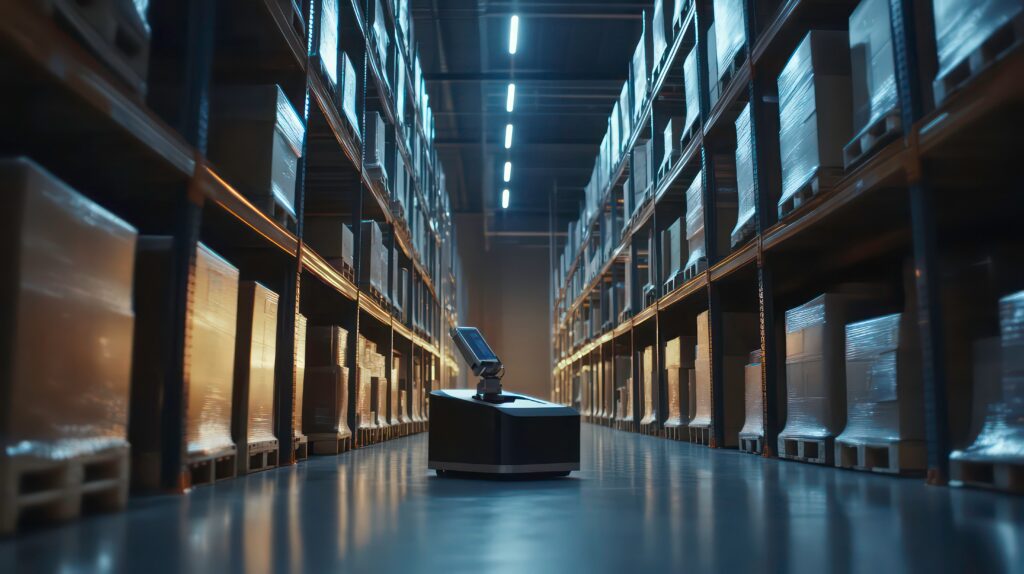
Warehouses have evolved from simple storage facilities into critical hubs that keep supply chains moving. Today, businesses are expected to process more orders, deliver faster, and maintain accurate inventory while keeping costs under control. Meeting these expectations with manual processes alone is becoming increasingly difficult. This is why more companies are investing in smart warehouse solutions.
By combining artificial intelligence, automation, and real-time data, businesses can streamline operations, reduce errors, and improve warehouse performance without simply adding more labor.
What Are Smart Warehouse Solutions?
Smart warehouse solutions combine AI, automation, sensors, and warehouse management software to improve how warehouses operate. Instead of relying on manual processes, these systems use real-time data to support faster and more informed decisions.
For example, a smart warehouse can automatically track inventory, guide workers to the fastest picking routes, monitor equipment performance, and alert managers when stock needs replenishing.
The goal isn’t to replace people. It’s to help warehouse teams work more efficiently while reducing repetitive tasks.
The Role of Warehouse Automation
While AI helps make better decisions, warehouse automation handles many of the physical tasks inside the warehouse.
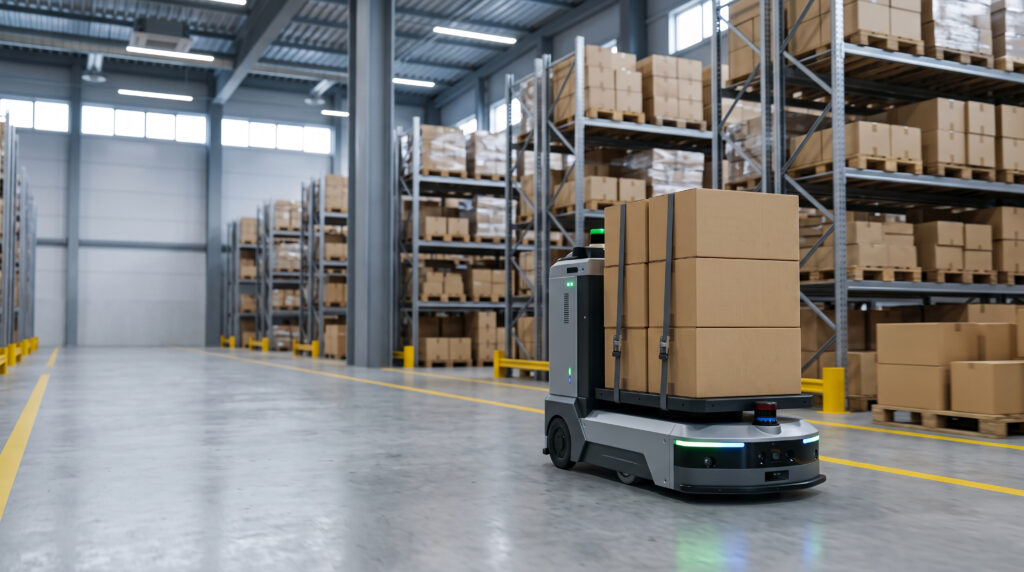
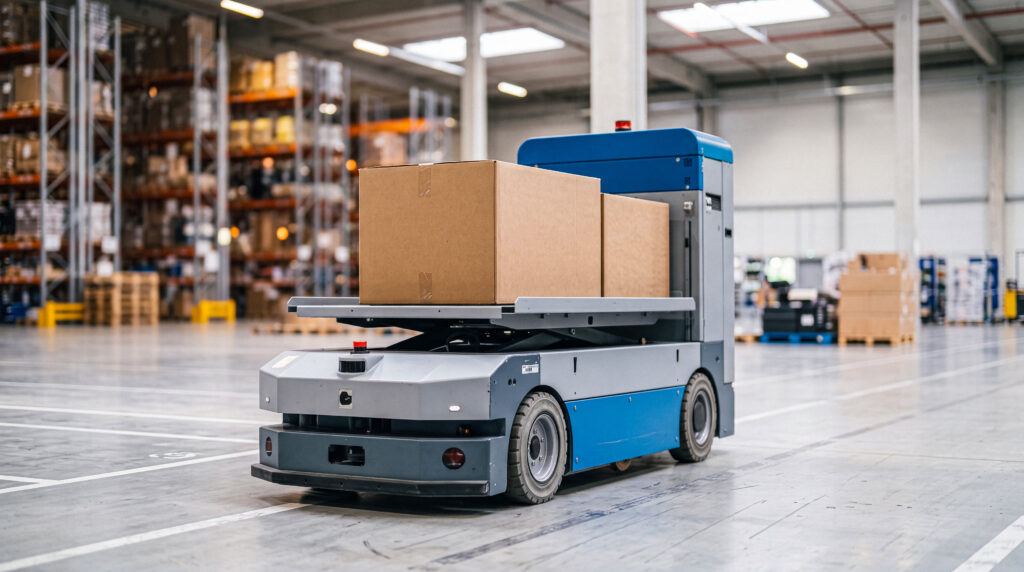
Automated storage systems, conveyor belts, robotic picking systems, and autonomous mobile robots all help move products more efficiently.
When combined with AI, these systems become even more effective. AI decides the best way to organize workflows, while automation carries out those tasks quickly and accurately.
This combination allows businesses to improve productivity without sacrificing accuracy.
Benefits of Smart Warehouse Solutions
Businesses investing in smart warehouse solutions often see improvements across several areas.
Higher Productivity
Automating repetitive tasks allows employees to focus on more valuable work, helping warehouses process more orders each day.
Better Inventory Accuracy
Real-time inventory tracking reduces counting errors and provides greater visibility across warehouse operations.
Faster Fulfillment
Optimized picking routes and automated workflows shorten the time it takes to process customer orders.
Lower Operating Costs
Better inventory planning, reduced errors, and improved equipment utilization help lower long-term operating expenses.
Better Customer Service
Accurate inventory and faster shipping help businesses deliver a more reliable customer experience
Where Businesses Are Using AI in Warehouse Operations
Today, AI in warehouse environments is being adopted across many industries.
Retailers use it to manage high order volumes during seasonal peaks.
Manufacturers improve inventory control and ensure production materials are always available.
Third-party logistics providers use AI to manage inventory for multiple customers while improving warehouse efficiency.
Food and pharmaceutical companies also rely on AI to monitor inventory conditions and maintain compliance with strict storage requirements.
Things to Consider Before Investing
While smart warehouse solutions offer clear benefits, businesses should plan carefully before making the transition.
Start by identifying the biggest operational challenges. For some companies, inventory accuracy is the priority. Others may benefit more from faster picking or better warehouse visibility.
It’s also important to choose technology that integrates with your existing warehouse management system. A phased implementation often delivers better results than trying to automate every process at once.
Finally, employee training should not be overlooked. Technology works best when warehouse teams understand how to use it effectively.
The Future of Smart Warehouses
The next generation of smart warehouse solutions will become even more intelligent.
AI will continue improving demand forecasting, warehouse planning, and inventory optimization. At the same time, warehouse automation will become more flexible, allowing warehouses to adjust quickly as order volumes change.
Rather than replacing workers, these technologies will help teams make faster decisions, improve productivity, and create more resilient warehouse operations.
Final Thoughts
Modern warehouses need to be faster, more accurate, and better prepared for changing customer demands. Smart warehouse solutions provide the tools businesses need to achieve these goals through intelligent technology and automation.
By combining AI in warehouse operations with warehouse automation, organizations can improve inventory accuracy, increase productivity, reduce operational costs, and deliver a better customer experience.
As supply chains continue to evolve, businesses that invest in smart warehouse solutions today will be better positioned to build efficient and scalable warehouse operations for the future.
FAQs
1. What are smart warehouse solutions?
Smart warehouse solutions use AI, automation, sensors, and warehouse management software to improve inventory management, order fulfillment, and overall warehouse performance.
2. How does AI in warehouse operations improve efficiency?
AI in warehouse operations helps optimize inventory management, improve picking routes, predict equipment maintenance, and provide real-time insights that support faster decision-making.
3. What is the difference between warehouse automation and AI?
Warehouse automation performs physical tasks such as moving or sorting inventory, while AI analyzes data, makes recommendations, and optimizes warehouse processes.
4. Are smart warehouse solutions suitable for small businesses?
Yes. Many smart warehouse solutions are scalable, allowing businesses to automate specific warehouse processes first and expand as their operations grow.