How Logistics Companies Use AI Route Optimization to Improve Last-Mile Delivery
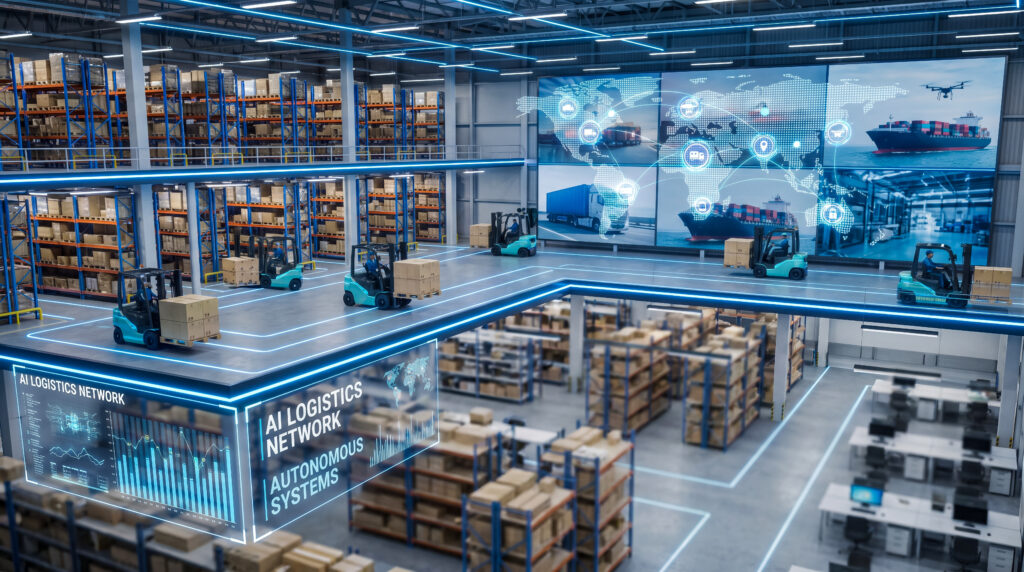
The final stretch of a delivery may be the shortest, but it’s often the most expensive and challenging. Known as Last-Mile Delivery, this stage is where packages move from a distribution center to the customer’s doorstep. It’s also where delays, traffic, failed deliveries, and rising fuel costs can quickly affect customer satisfaction.
For logistics companies, improving last-mile performance has become a top priority. Traditional route planning, which often relies on fixed schedules or manual planning, struggles to keep up with changing road conditions and growing delivery volumes.
This is why businesses are adopting AI Route Optimization. By analyzing real-time traffic, weather, delivery schedules, and driver locations, AI helps logistics companies choose smarter routes and complete deliveries more efficiently.
Why Last-Mile Delivery Is So Challenging
Although Last-Mile Delivery covers the shortest distance in the supply chain, it often accounts for the largest share of delivery costs.
Drivers must deal with traffic congestion, road closures, missed deliveries, changing customer requests, and tight delivery windows. Even small delays can affect multiple deliveries throughout the day.
As Ecommerce continues to grow, logistics companies need smarter ways to manage these challenges without increasing costs.
What Is AI Route Optimization?
AI Route Optimization uses artificial intelligence to calculate the most efficient delivery routes based on real-time conditions.
Unlike traditional GPS navigation, AI doesn’t simply suggest the shortest route. It considers multiple factors, including:
- Live traffic conditions
- Weather updates
- Delivery priorities
- Driver locations
- Road restrictions
- Vehicle capacity
- Historical delivery data
Using this information, AI Route Optimization continuously updates delivery plans as conditions change.
Many businesses achieve this using AI route optimization software, which automatically adjusts routes throughout the day instead of relying on fixed schedules.
How AI Improves Last-Mile Delivery
Smarter Route Planning
The biggest advantage of AI Route Optimization is its ability to create more efficient delivery schedules.
Instead of manually assigning routes, AI calculates the best sequence of deliveries to reduce travel time and fuel consumption.
This allows drivers to complete more deliveries within the same working hours.

Real-Time Route Adjustments
Traffic accidents, weather conditions, and unexpected road closures can quickly disrupt deliveries.
Using AI routing software, routes can be updated instantly based on changing conditions.
Drivers receive new directions automatically, helping them avoid delays without returning to dispatch for instructions.
Better Delivery Accuracy
Customers increasingly expect accurate delivery times.
By analyzing live traffic and delivery progress, AI logistics platforms provide more reliable arrival estimates and keep customers informed throughout the delivery process.
This improves customer satisfaction while reducing support inquiries.
Lower Fuel Costs
Fuel is one of the largest operating expenses for logistics companies.
By reducing unnecessary travel and avoiding congested routes, AI Route Optimization helps lower fuel consumption and vehicle wear.
Benefits for Logistics Companies
Businesses adopting AI Route Optimization often see measurable improvements across their delivery operations.
Faster Deliveries
Optimized routes reduce travel time, allowing drivers to complete more deliveries each day.
Reduced Operating Costs
Shorter routes, better fuel efficiency, and improved vehicle utilization help reduce transportation expenses
Higher Driver Productivity
Drivers spend less time navigating inefficient routes and more time completing deliveries.
Better Customer Experience
Accurate delivery windows and proactive updates improve trust and customer satisfaction.
Greater Operational Visibility
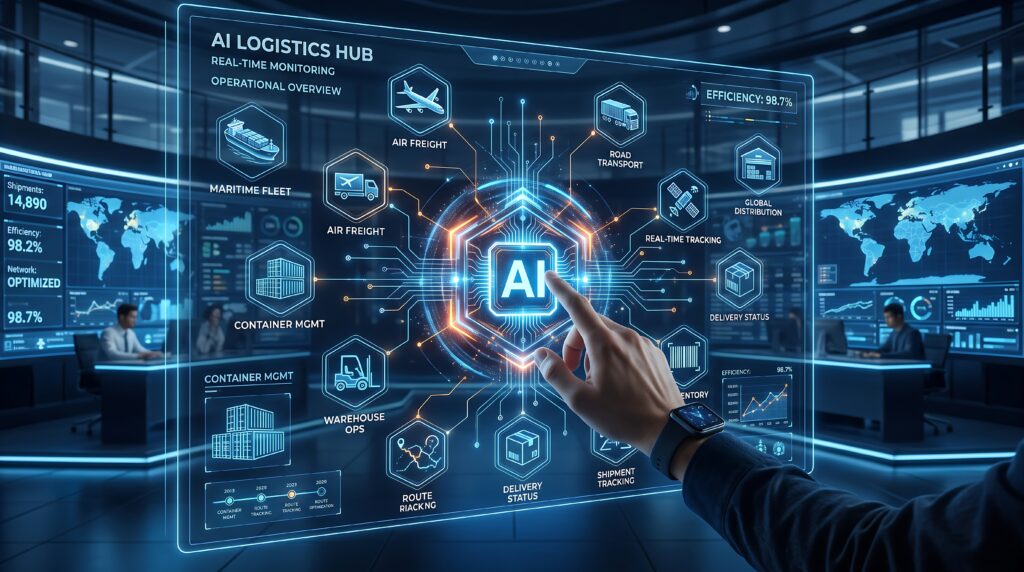
Modern AI logistics platforms provide dispatchers with real-time visibility into driver locations, delivery progress, and potential delays.
Real-World Applications
Many industries now use AI route optimization software to improve Last-Mile Delivery.
- E-commerce companies: optimize home deliveries during peak shopping periods.
- Retail businesses: improve same-day and next-day deliveries.
- Food and grocery services: use AI to deliver time-sensitive orders more efficiently.
- Healthcare providers: optimize deliveries of medicines and medical equipment.
- Courier companies: improve route planning while reducing transportation costs.
Regardless of the industry, AI logistics helps businesses deliver faster while improving operational efficiency.
Challenges to Consider
While AI offers significant advantages, businesses should plan carefully before implementation.
The quality of route recommendations depends on accurate GPS and operational data.
Companies should also ensure their AI routing software integrates with existing transportation management systems and fleet management tools.
Finally, drivers and dispatch teams should receive proper training so they can fully benefit from AI-powered route planning.
The Future of Last-Mile Delivery
The future of Last-Mile Delivery will rely even more on AI.
As connected vehicles, autonomous delivery technologies, and predictive analytics continue to evolve, AI will become even better at anticipating delays and optimizing delivery operations.
Future AI logistics platforms may coordinate fleets automatically, assign deliveries based on real-time conditions, and optimize routes across thousands of vehicles simultaneously.
For logistics companies, investing in AI Route Optimization today provides a strong foundation for future growth.
Final Thoughts
Efficient Last-Mile Delivery is becoming one of the biggest competitive advantages in logistics. Customers expect faster deliveries, accurate tracking, and reliable service, while businesses need to control transportation costs.
By using AI Route Optimization, logistics companies can improve delivery efficiency, reduce fuel costs, increase driver productivity, and provide a better customer experience. Combined with modern AI route optimization software, these capabilities help businesses build smarter and more reliable delivery operations.
As delivery volumes continue to grow, AI logistics will play an increasingly important role in helping companies stay efficient and competitive.
FAQs
1. What is AI Route Optimization?
AI Route Optimization uses artificial intelligence to calculate the most efficient delivery routes by analyzing traffic weather, delivery schedules, vehicle capacity, and other real-time data.
2. How does AI improve Last-Mile Delivery?
AI improves Last-Mile Delivery by reducing travel time, optimizing delivery routes, improving delivery accuracy, lowering fuel costs, and responding quickly to changing road conditions.
3. What is AI route optimization software?
AI route optimization software automatically plans and updates delivery routes using real-time operational data, helping logistics companies improve efficiency and reduce transportation costs.
4. Which industries benefit from AI Route Optimization?
Industries including e-commerce, retail, healthcare, food delivery, courier services, and transportation companies use AI Route Optimization to improve delivery performance and customer satisfaction.