AI Route Optimization: How Companies Reduce Fuel Costs
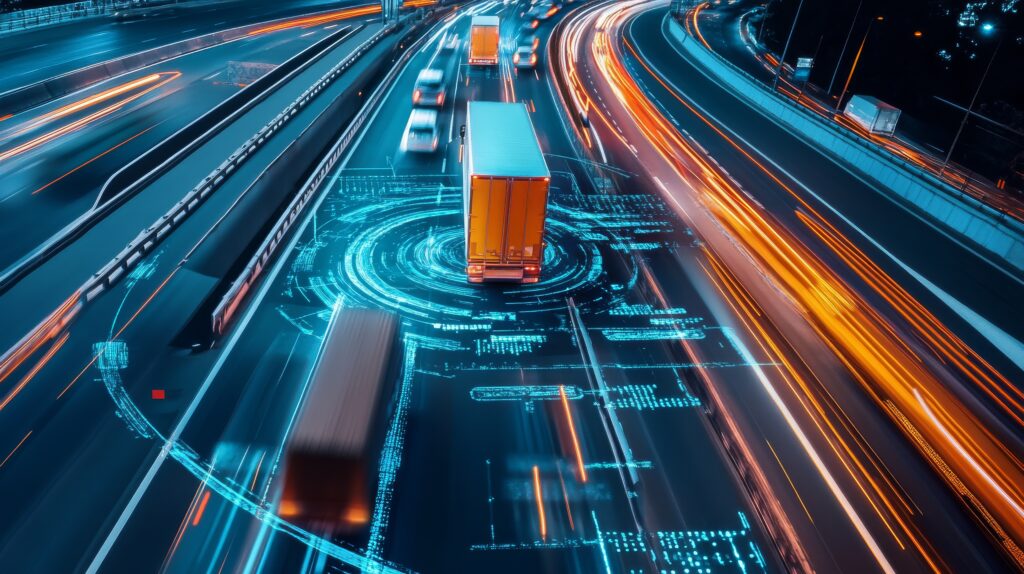
Fuel is one of the largest operating expenses for logistics and transportation businesses. Whether managing local deliveries or global supply chains, companies are constantly looking for ways to reduce fuel consumption without compromising delivery speed or customer satisfaction.
Traditional route planning methods often rely on static maps, historical knowledge, or manual scheduling. While these approaches may have been sufficient in the past, they struggle to keep up with today’s dynamic logistics environment, where traffic conditions, weather disruptions, customer demands, and fluctuating fuel prices can change in real time.
This is where AI-powered route optimization is changing the way logistics operates. Rather than simply finding the shortest path between two locations, artificial intelligence analyzes vast amounts of operational data to identify the most efficient routes based on current conditions.
As transportation networks become increasingly complex, businesses are adopting intelligent route optimization software to build more efficient and resilient supply chains.
Why Traditional Route Planning Falls Short
Logistics has always depended on efficient planning, but traditional routing methods often leave little room for adapting to unexpected events.
Traffic congestion, road closures, weather conditions, vehicle availability, delivery priorities, and customer schedule changes all influence the efficiency of a route. When planning relies heavily on manual processes or outdated software, businesses often react to these challenges only after they begin affecting operations.
This reactive approach leads to longer travel times, unnecessary fuel consumption, delayed deliveries, and increased operational costs. As fleets grow larger and delivery networks become more complex, these inefficiencies become increasingly expensive.
Modern route optimization uses AI to continuously evaluate changing conditions and recommend better routing decisions before problems escalate. Instead of relying on assumptions, businesses can make informed decisions using real-time operational intelligence.
How AI Improves Route Optimization
Artificial intelligence transforms route planning from a static scheduling process into an intelligent decision-making system.
AI-powered platforms analyze multiple variables simultaneously, including live traffic conditions, weather forecasts, delivery schedules, vehicle capacity, road restrictions, fuel consumption patterns, and historical operational data. Within seconds, the system identifies routes that balance efficiency, delivery commitments, and operational costs.
This ability to adapt in real time makes AI-driven route optimization software significantly more effective than traditional planning methods.
Reducing Fuel Costs Through Smarter Decisions
Fuel efficiency is influenced by far more than distance alone.
Vehicles that spend excessive time in traffic, take unnecessary detours, or follow inefficient delivery sequences consume significantly more fuel than necessary. AI helps eliminate these inefficiencies by identifying routes that minimize idle time, reduce unnecessary mileage, and improve delivery sequencing.
AI can also recommend operational adjustments based on changing conditions throughout the day. If traffic builds unexpectedly or weather conditions affect travel times, routes can be updated dynamically rather than waiting for manual intervention.
These continuous optimizations allow businesses to reduce fuel consumption while maintaining reliable delivery schedules. Over time, even small improvements across an entire fleet can translate into substantial cost savings and stronger operational performance.
Improving Fleet Utilization and Delivery Efficiency
Reducing fuel costs is only one advantage of intelligent logistics route planning.
AI also helps organizations maximize fleet utilization by ensuring vehicles, drivers, and delivery schedules are used as efficiently as possible. Better planning reduces unnecessary trips, improves vehicle capacity utilization, and creates more balanced workloads across the fleet.
When deliveries are planned intelligently, businesses can complete more shipments using the same resources. This improves productivity without increasing fleet size or operational complexity.
Customers also benefit from more accurate delivery windows and fewer delays, helping logistics providers strengthen customer relationships while improving service quality.
Real-Time Visibility Supports Faster Decisions
One of the biggest challenges in logistics is responding quickly to unexpected disruptions.
Traffic incidents, weather conditions, vehicle breakdowns, and urgent customer requests can significantly affect delivery schedules. Without real-time visibility, businesses often discover these issues too late to prevent delays.
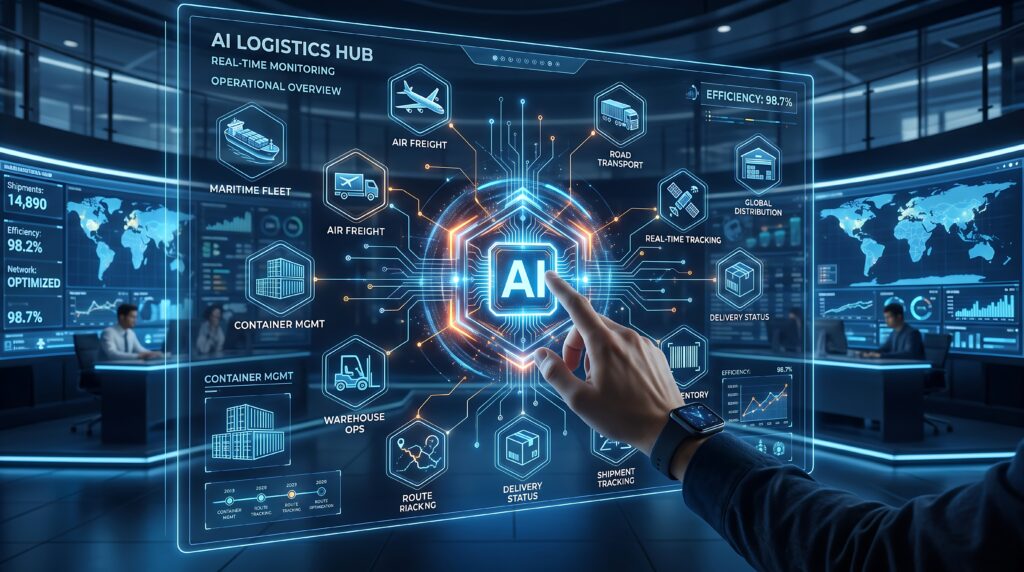
Modern route optimization software provides centralized dashboards that give operations teams complete visibility into fleet movements and delivery progress. AI continuously monitors ongoing operations and recommends adjustments whenever conditions change.
Instead of reacting after disruptions occur, logistics teams can proactively reroute vehicles, communicate with customers, and minimize operational impact before delays escalate.
This level of operational visibility improves both efficiency and business resilience.
AI Enables More Sustainable Logistics Operations
Sustainability has become a strategic priority for logistics organizations worldwide. Businesses are expected to reduce emissions while maintaining profitability and operational efficiency.
AI-powered route optimization contributes directly to these goals by reducing unnecessary mileage, minimizing fuel consumption, and improving vehicle utilization. Fewer empty miles and more efficient delivery schedules translate into lower carbon emissions alongside reduced operating costs.
This creates a balance between environmental responsibility and business performance. Organizations are increasingly recognizing that sustainable logistics is not only beneficial for compliance and corporate responsibility but also for long-term profitability.
As environmental regulations continue to evolve, intelligent logistics technologies will play an increasingly important role in building greener supply chains.
Why AI-Native Logistics Platforms Deliver Greater Value
Many organizations invest in route planning tools without addressing the broader logistics ecosystem. While standalone applications may improve routing, they often fail to connect with warehouse operations, fleet management, enterprise systems, and operational analytics.
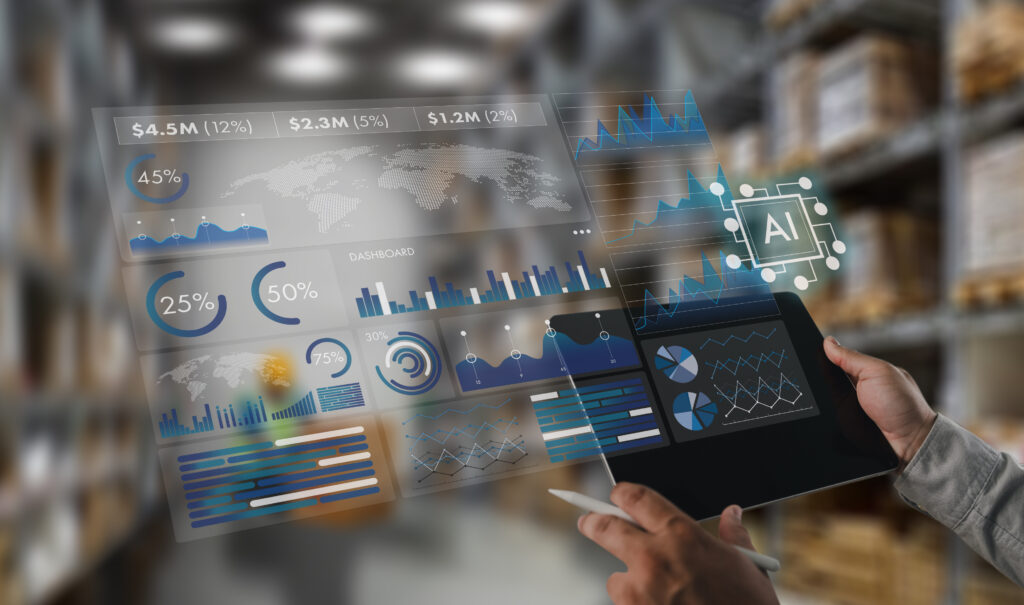
AI-native logistics platforms take a more comprehensive approach by integrating route optimization, transportation management, operational data, and enterprise applications into a connected digital ecosystem.
This integration enables organizations to move beyond isolated improvements and create intelligent logistics operations where every decision is supported by accurate, real-time information. Instead of optimizing individual routes, businesses optimize the entire transportation network.
For organizations pursuing digital transformation, this connected approach delivers greater efficiency, stronger operational visibility, and more sustainable long-term growth.
Why AI-Native Logistics Platforms Deliver Greater Value
Many organizations invest in route planning tools without addressing the broader logistics ecosystem. While standalone applications may improve routing, they often fail to connect with warehouse operations, fleet management, enterprise systems, and operational analytics.
AI-native logistics platforms take a more comprehensive approach by integrating route optimization, transportation management, operational data, and enterprise applications into a connected digital ecosystem.
This integration enables organizations to move beyond isolated improvements and create intelligent logistics operations where every decision is supported by accurate, real-time information. Instead of optimizing individual routes, businesses optimize the entire transportation network.
For organizations pursuing digital transformation, this connected approach delivers greater efficiency, stronger operational visibility, and more sustainable long-term growth.
Conclusion
As fuel prices continue to fluctuate and delivery expectations rise, efficient transportation has become a key competitive advantage. Businesses can no longer rely on static planning methods that struggle to adapt to real-world conditions.
AI-powered route optimization enables logistics organizations to reduce fuel costs, improve delivery performance, increase fleet utilization, and respond proactively to changing operational conditions. By combining real-time data, predictive intelligence, and automation, modern route optimization software helps businesses make faster, smarter decisions across every stage of logistics route planning.
Frequently Asked Questions
1. What is route optimization?
Route optimization is the process of determining the most efficient routes for vehicles by considering factors such as distance, traffic, delivery schedules, vehicle capacity, and fuel consumption. Modern AI-powered solutions continuously adjust routes using real-time data.
2. How does AI help reduce fuel costs?
AI analyzes traffic patterns, weather conditions, delivery priorities, and fleet performance to recommend more efficient routes. By reducing idle time, unnecessary mileage, and inefficient scheduling, businesses can significantly lower fuel consumption.
3. What is route optimization software?
Route optimization software is a digital solution that uses algorithms and AI to plan, monitor, and optimize delivery routes. It helps businesses improve fleet efficiency, reduce operational costs, and enhance customer service.
4. Why is logistics route planning important?
Effective logistics route planning improves delivery accuracy, reduces transportation costs, optimizes fleet utilization, and enables businesses to respond quickly to changing operational conditions.