
AI in Ocean Freight: How Artificial Intelligence Is Transforming Global Shipping
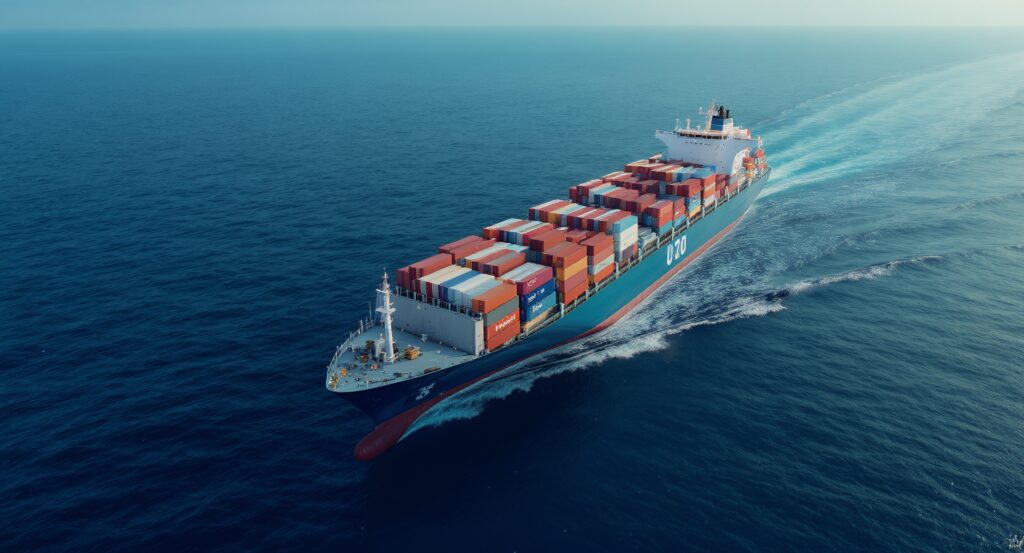
Artificial intelligence is improving every stage of ocean freight shipping, from planning shipments to final delivery.
Smarter Route Planning
Choosing the right shipping route isn’t just about finding the shortest distance.
AI considers weather conditions, port congestion, vessel schedules, fuel consumption, and transit times before recommending the most efficient route.
This helps businesses reduce delays, improve schedule reliability, and lower transportation costs.
Better Shipment Visibility
One of the biggest frustrations in freight shipping is limited visibility once cargo leaves the port.
AI combines data from GPS systems, shipping schedules, and tracking platforms to provide real-time shipment updates.
Instead of waiting for manual status reports, logistics teams can quickly identify delays and keep customers informed throughout the journey.
Predictive Arrival Times
Estimated arrival times often change because of weather, port traffic, or vessel delays.
AI continuously analyzes live shipping data to provide more accurate arrival predictions, helping businesses plan inventory, warehouse operations, and customer deliveries more effectively.
Smarter Cargo Planning
Loading a vessel efficiently is critical for both safety and profitability.
AI helps optimize cargo placement by considering container weight, available space, destination ports, and unloading sequences.
Better cargo planning reduces handling time while making better use of vessel capacity.
Improving Port Operations
Ports are some of the busiest locations in the global supply chain.
AI helps improve port efficiency by predicting vessel arrivals, managing dock schedules, and reducing congestion.
Some ports are also using AI to coordinate cranes, monitor equipment, and improve container handling, helping ships spend less time waiting at terminals.
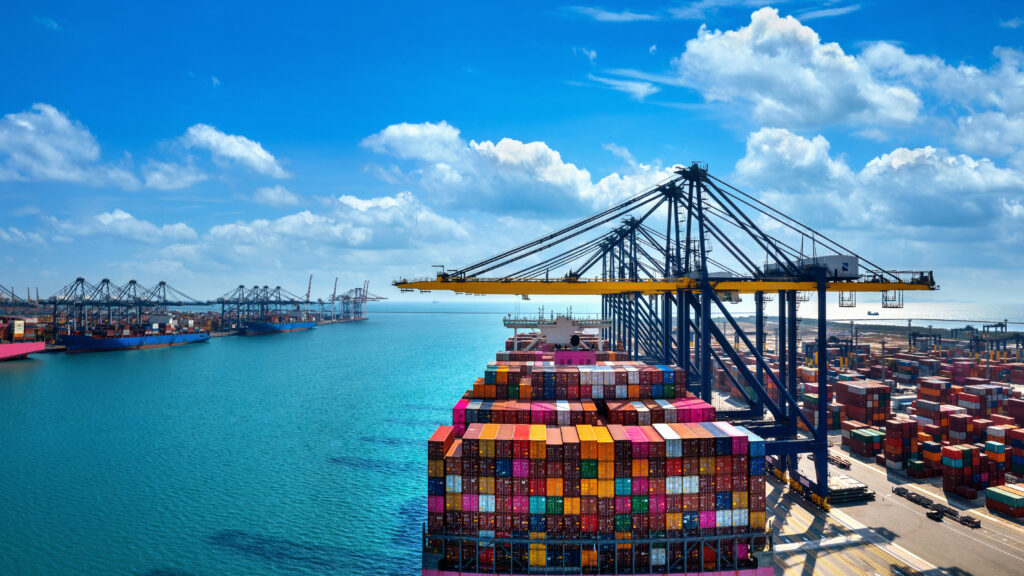
How AI Is Transforming Ocean Freight Shipping
Artificial intelligence is improving every stage of ocean freight shipping, from planning shipments to final delivery.
Smarter Route Planning
Choosing the right shipping route isn’t just about finding the shortest distance.
AI considers weather conditions, port congestion, vessel schedules, fuel consumption, and transit times before recommending the most efficient route.
This helps businesses reduce delays, improve schedule reliability, and lower transportation costs.
Better Shipment Visibility
One of the biggest frustrations in freight shipping is limited visibility once cargo leaves the port.
AI combines data from GPS systems, shipping schedules, and tracking platforms to provide real-time shipment updates.
Instead of waiting for manual status reports, logistics teams can quickly identify delays and keep customers informed throughout the journey.
Predictive Arrival Times
Estimated arrival times often change because of weather, port traffic, or vessel delays.
AI continuously analyzes live shipping data to provide more accurate arrival predictions, helping businesses plan inventory, warehouse operations, and customer deliveries more effectively.
Smarter Cargo Planning
Loading a vessel efficiently is critical for both safety and profitability.
AI helps optimize cargo placement by considering container weight, available space, destination ports, and unloading sequences.
Better cargo planning reduces handling time while making better use of vessel capacity.
Improving Port Operations
Ports are some of the busiest locations in the global supply chain.
AI helps improve port efficiency by predicting vessel arrivals, managing dock schedules, and reducing congestion.
Some ports are also using AI to coordinate cranes, monitor equipment, and improve container handling, helping ships spend less time waiting at terminals.
Benefits of AI in Ocean Freight
Businesses investing in AI-powered ocean freight solutions are seeing measurable improvements across their operations.
Faster Decision-Making
AI provides real-time insights that help logistics teams respond quickly to delays, schedule changes, and operational challenges.
Lower Operating Costs
Better route planning, improved fuel efficiency, and optimized cargo loading help reduce transportation costs over time.
Greater Supply Chain Visibility
AI gives businesses a clearer view of shipments from origin to destination, improving communication and reducing uncertainty.
Improved Customer Experience
More accurate delivery estimates and proactive shipment updates help build trust with customers and improve service reliability.
Real-World Applications
AI is already being used across the ocean freight shipping industry.
Freight forwarders use AI to compare shipping options and improve booking decisions.
Shipping companies use AI to optimize vessel routes and fuel consumption.
Importers and exporters rely on AI-powered tracking platforms to monitor shipments and prepare for potential delays.
Ports are adopting AI to improve scheduling and reduce congestion during peak periods.
These practical applications show how AI is making freight shipping more efficient without replacing existing logistics processes.
What the Future Looks Like
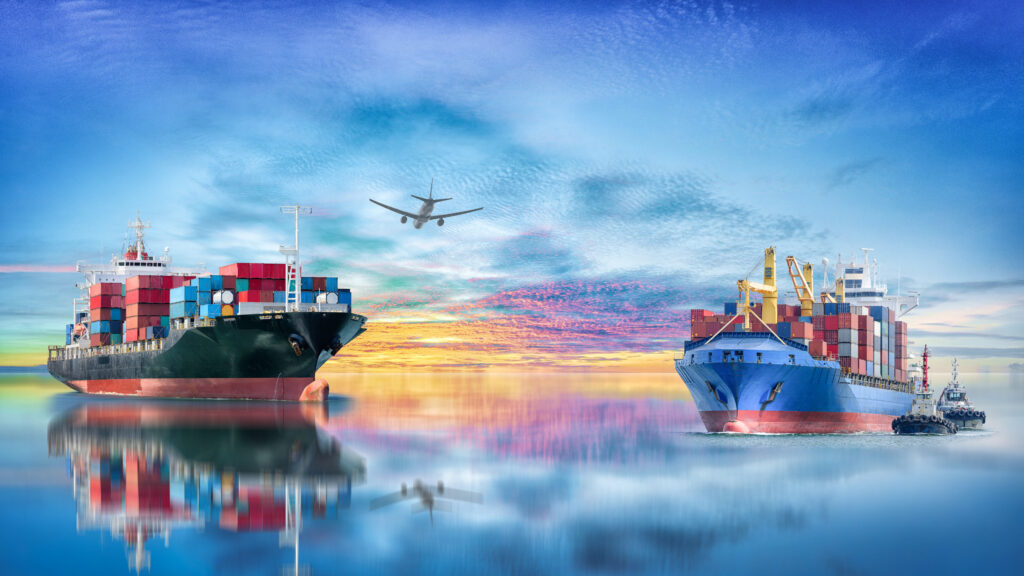
The future of ocean freight will be more connected and data-driven.
AI will continue improving shipment planning, vessel scheduling, and cargo management. As more shipping companies adopt intelligent technologies, businesses will gain better visibility across the entire shipping journey.
Future AI systems may also work alongside autonomous vessels, digital documentation, and smart ports to make ocean freight shipping even faster and more efficient.
Companies that invest in AI today will be better prepared to manage growing trade volumes and changing customer expectations.
Final Thoughts
Global trade depends on reliable ocean freight, but growing supply chain complexity is making traditional shipping methods harder to manage.
AI is helping businesses improve ocean freight shipping by providing better visibility, smarter route planning, more accurate delivery predictions, and improved operational efficiency.
As technology continues to evolve, AI will play an even greater role in shaping the future of freight shipping. Businesses that begin adopting these solutions today will be better positioned to build more resilient, efficient, and customer-focused supply chains.
FAQs
1. How is AI used in ocean freight?
AI helps improve ocean freight by optimizing shipping routes, predicting delays, improving cargo planning, and providing real-time shipment visibility.
2. What are the benefits of AI in ocean freight shipping?
AI improves ocean freight shipping by reducing delays, lowering operating costs, increasing visibility, improving delivery accuracy, and supporting better decision-making.
3. Can AI reduce delays in freight shipping?
Yes. AI analyzes weather, vessel schedules, port congestion, and shipping data to identify potential disruptions early and recommend alternative actions when possible.
4. Is AI replacing people in ocean freight?
No. AI supports logistics professionals by automating routine tasks and providing insights, while teams continue to manage strategic decisions and customer relationships.