How to Optimize Logistics Operations for Better Supply Chain Management
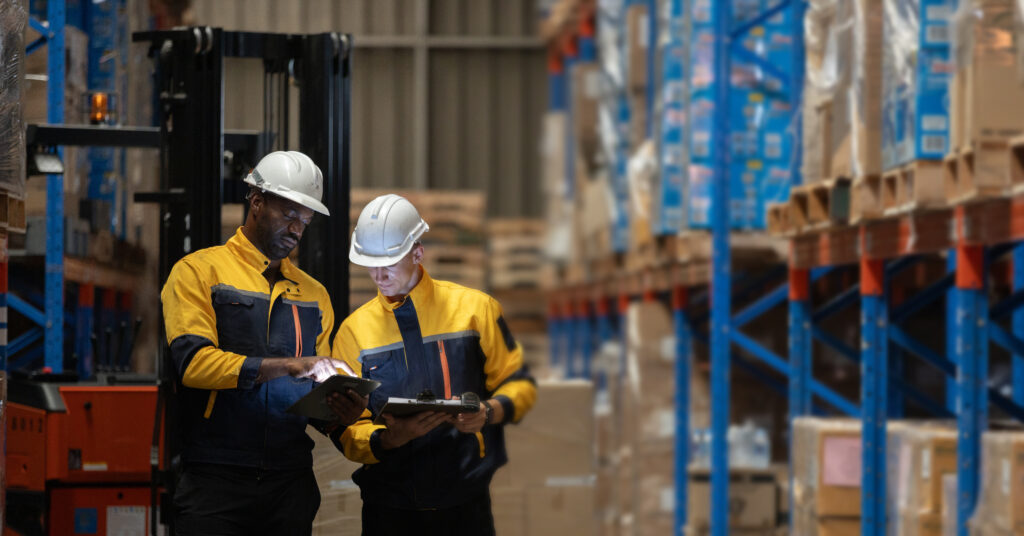
Efficient logistics operations are essential for keeping a supply chain moving. Transportation delays, inaccurate inventory, inefficient warehouse processes, and poor shipment visibility can quickly increase costs and affect customer satisfaction.
As logistics networks become more complex, businesses need more than individual improvements. They need to understand how transportation, warehousing, inventory, order fulfillment, and technology work together.
This is where logistics operations management becomes important. By improving processes, using better data, and applying the right technology, businesses can create faster, more reliable, and more cost-efficient logistics networks.
What Are Logistics Operations?
It includes the activities involved in moving, storing, and managing goods from their origin to their final destination.
These activities can include:
- Transportation planning
- Warehousing
- Inventory management
- Order fulfillment
- Shipment tracking
- Carrier management
- Returns and reverse logistics
The goal is to ensure goods reach the right location at the right time while maintaining control over costs and service quality.
Why Logistics Operations Need Optimization
Poorly managed logistics operations can create problems throughout the supply chain.
For example, inaccurate inventory information can affect warehouse planning. Poor transportation scheduling can cause delivery delays. Limited shipment visibility can make it difficult for teams to respond when problems occur.
Optimization helps businesses identify these inefficiencies and create more coordinated processes.
The result can be lower operating costs, better resource utilization, faster deliveries, and improved customer service.
1. Improve Logistics Planning
Effective planning should be the starting point for improving logistics operations.
By evaluating demand, inventory, capacity, transportation, delivery needs, and supplier schedules, businesses can spot bottlenecks early, allocate resources better, and respond effectively to changes or disruptions.
2. Optimize Transportation
Transportation is often one of the largest logistics expenses.
Businesses can improve transportation efficiency by reviewing:
- Delivery routes
- Carrier performance
- Vehicle utilization
- Shipment consolidation
- Delivery schedules
Route optimization tech and transportation data help businesses find efficient routes and cut costs by identifying underperforming carriers.
3. Improve Warehouse Efficiency
Warehouse performance directly affects fulfillment and delivery.
Businesses should analyze product flow receiving, storage, picking, packing, and dispatch to streamline operations. Placing popular items near picking areas and optimizing layouts reduces movement.
Warehouse management systems and automation enhance visibility and efficiency, improving logistics without full automation.
4. Strengthen Inventory Management
Inventory needs to be available when customers need it, but excessive stock can increase storage and carrying costs.
Businesses can boost inventory performance by tracking demand, stock levels, product flow, and supplier lead times.
AI-driven forecasting helps schedule replenishment and spot risks of overstock or shortages, enabling more responsive inventory planning.
5. Increase Real-Time Visibility
Modern supply chains are hard to manage without visibility. Tracking systems and dashboards help businesses monitor inventory, shipments, and warehouses, allowing teams to spot and address issues before they escalate.
4. Strengthen Inventory Management
Inventory needs to be available when customers need it, but excessive stock can increase storage and carrying costs.
Businesses can boost inventory performance by tracking demand, stock levels, product flow, and supplier lead times.
AI-driven forecasting helps schedule replenishment and spot risks of overstock or shortages, enabling more responsive inventory planning.
5. Increase Real-Time Visibility
Modern supply chains are hard to manage without visibility. Tracking systems and dashboards help businesses monitor inventory, shipments, and warehouses, allowing teams to spot and address issues before they escalate.
For example, a company experiencing frequent delivery delays could begin with AI-powered route or shipment optimization rather than attempting to apply AI across its entire operation.
6. Automate Repetitive Processes
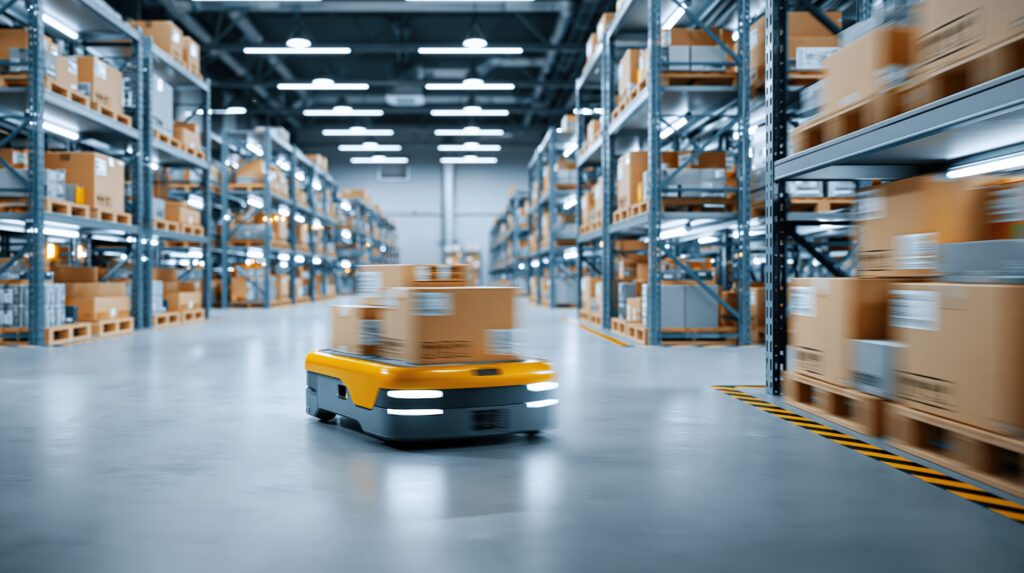
Manual processes can consume significant amounts of time while increasing the risk of errors.
Businesses should identify repetitive tasks that can be automated, such as:
- Shipment updates
- Document processing
- Order entry
- Inventory notifications
- Reporting
- Data collection
Automation allows employees to focus on planning, exception management, and other activities that require human judgment.
This is an important part of modern logistics transformation, particularly for businesses managing high shipment volumes.
7. Use Logistics AI Strategically
AI is becoming an important part of modern logistics solutions, but businesses should focus on practical applications rather than implementing AI simply because it is available.
Logistics AI can support:
- Route optimization
- Demand forecasting
- Inventory planning
- Predictive maintenance
- Shipment risk detection
- Warehouse optimization
- Document processing
The best starting point is usually a specific operational problem with a measurable outcome.
8. Connect Logistics Systems
A common challenge in the logistics industry is disconnected technology.
Transportation systems, warehouse management systems, inventory platforms, ERP software, and other tools may operate separately.
Connecting these systems creates a more complete view of logistics operations.
Better integration also allows information to move between departments faster, reducing manual data entry and improving coordination.
9. Track the Right Performance Metrics
Optimization requires measurement.
Businesses should establish clear logistics KPIs based on their operational priorities.
Useful metrics include:
- On-time delivery rate
- Transportation cost per shipment
- Order fulfillment time
- Inventory accuracy
- Warehouse productivity
- Vehicle utilization
- Order accuracy
- Return rates
Regularly reviewing these metrics helps businesses identify where improvements are working and where additional changes are needed.
FAQs
1. What are logistics operations?
Logistics operations include the activities involved in transporting, storing, tracking, and managing goods throughout the supply chain.
2. How can businesses optimize logistics operations?
Businesses can optimize logistics operations by improving planning, transportation, inventory management, warehouse processes, shipment visibility, automation, and data-driven decision-making.
3. How does AI improve logistics operations?
Logistics AI can support route optimization, demand forecasting, inventory planning, predictive maintenance, shipment monitoring, and warehouse optimization.
4. What is logistics transformation?
Logistics transformation involves improving logistics processes through better technology, data, system integration, automation, and operational strategies to create more efficient logistics networks.