
Logistics 101: A Complete Guide to Logistics Management
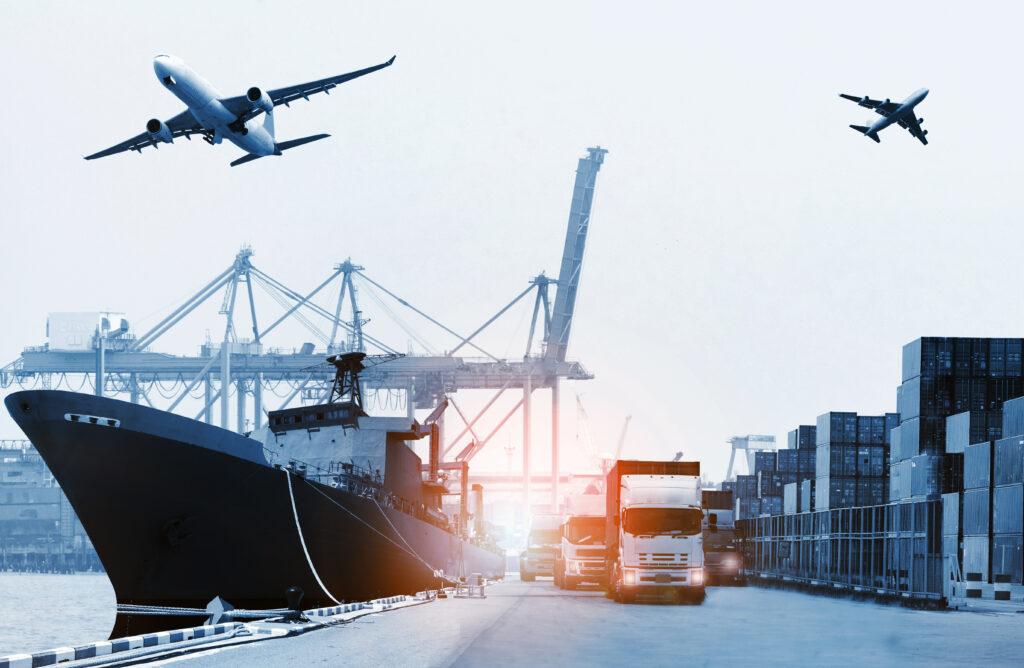
Every product that reaches a customer has a journey behind it. From sourcing materials and storing inventory to arranging transportation and completing the final delivery, multiple activities must work together to keep goods moving efficiently.
This is where logistics management comes in. It helps businesses plan, coordinate, and control the movement and storage of goods while balancing costs, delivery requirements, inventory, and customer expectations.
As businesses manage increasingly complex networks of suppliers, warehouses, carriers, and customers, effective logistics management has become an important part of overall supply chain performance.
What Is Logistics Management?
Logistics management is the process of planning, implementing, and controlling the movement and storage of goods, materials, and related information from their point of origin to their final destination.
It covers activities such as transportation, warehousing, inventory management, order fulfillment, and logistics planning.
The objective is straightforward: move the right goods to the right place at the right time while managing costs and maintaining service quality.
For businesses, it can improve operational efficiency while creating a more reliable experience for customers.
What Are Logistics Operations?
Logistics operations are the day-to-day activities involved in moving and managing goods throughout a logistics network.
These activities can include:
- Receiving goods
- Storing inventory
- Managing stock
- Processing orders
- Picking and packing
- Arranging transportation
- Tracking shipments
- Managing deliveries
- Handling returns
How these activities are coordinated directly affects delivery speed, operational costs, inventory accuracy, and customer satisfaction.
Key Components of Logistics Management
1. Transportation Management
Transportation is responsible for moving goods between suppliers, warehouses, distribution centers, businesses, and customers.
Transportation management involves selecting carriers, planning routes, scheduling shipments, monitoring deliveries, and managing transportation costs.
Businesses may use road, rail, air, ocean, or multimodal transportation depending on the type of goods and delivery requirements.
2. Warehousing
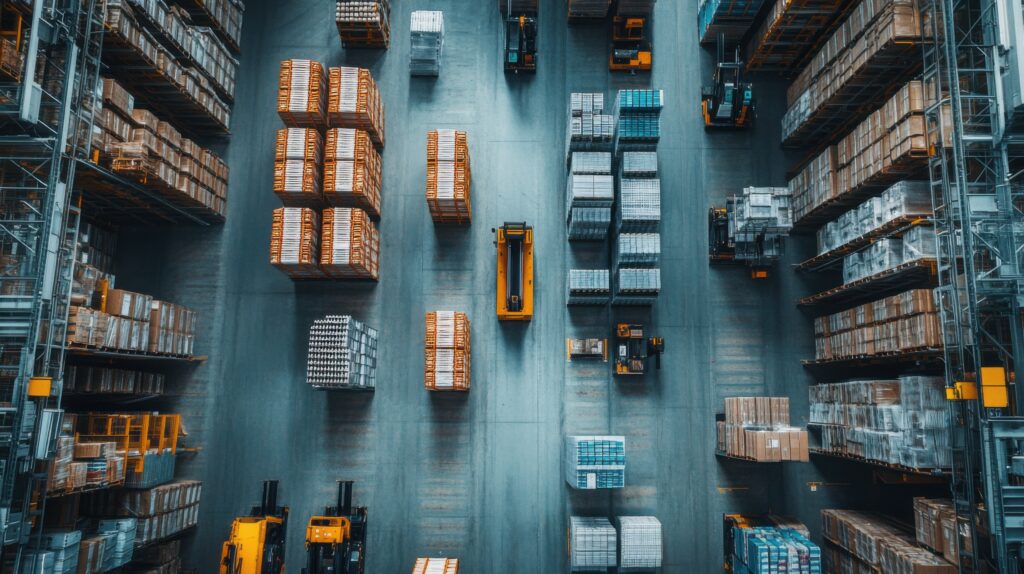
Warehousing involves receiving, storing, organizing, and preparing goods for their next destination.
An effective warehouse should make inventory easy to locate while supporting efficient picking, packing, and dispatch.
Modern warehouses increasingly use warehouse management systems, automation, and robotics to improve logistics operations.
3. Inventory Management
Inventory management focuses on maintaining the right amount of stock at the right locations.
Too much inventory can increase storage and carrying costs, while insufficient inventory can result in stockouts and delayed orders.
Businesses use inventory data and forecasting to make better purchasing and replenishment decisions.
4. Order Fulfillment
Order fulfillment begins when a customer places an order and continues until the product is delivered.
It typically includes order processing, inventory allocation, picking, packing, shipping, and delivery.
Efficient fulfillment is an important part of logistics services, particularly for businesses handling large order volumes.
5. Logistics Planning
Logistics planning involves deciding how goods, inventory, resources, and transportation should be coordinated.
Businesses need to consider factors such as demand, delivery schedules, warehouse capacity, transportation availability, and costs.
Good planning helps reduce avoidable delays and allows logistics teams to respond more effectively when conditions change.
Logistics Management vs Supply Chain Management
These terms are closely connected but have different scopes.
Logistics management primarily focuses on the movement and storage of goods and the information associated with those activities.
Supply chain management covers a broader network, including sourcing, procurement, production, inventory, logistics, suppliers, and customer demand.
In simple terms, logistics is an important part of supply chain management.
A business may have an effective supply chain strategy, but poor logistics can still create delays, higher costs, and customer service problems.
Types of Logistics Services
Businesses can manage logistics internally or work with external providers.
Common logistics services include:
- Freight transportation
- Warehousing
- Distribution
- Freight forwarding
- Inventory management
- Order fulfillment
- Last-mile delivery
- Reverse logistics
Third-party logistics providers can manage some or all of these activities on behalf of businesses, depending on their operational requirements.
Common Challenges in Logistics Management
Managing logistics efficiently can be difficult because many factors are outside a business’s direct control.
Common challenges include:
- Rising transportation costs
- Delivery delays
- Inventory imbalances
- Limited shipment visibility
- Changing customer expectations
- Labor constraints
- Supply chain disruptions
- Inefficient manual processes
The right combination of planning, technology, data, and operational expertise can help businesses address these challenges more effectively.
How to Improve Logistics Operations
Businesses looking to improve logistics management should begin by identifying where inefficiencies occur.
Review transportation costs, delivery performance, warehouse productivity, inventory accuracy, and order fulfillment times.
From there, businesses can focus on practical improvements such as:
- Improve visibility: Track inventory and shipments across the logistics network.
- Optimize transportation: Review routes, carriers, delivery schedules, and freight costs.
- Automate repetitive work: Use technology where manual processes consume significant time.
- Use data effectively: Monitor performance metrics and identify recurring operational problems.
- Improve coordination: Connect logistics teams, warehouses, carriers, suppliers, and other stakeholders.
Small improvements across several areas can create a meaningful impact on overall performance.
The Future of Logistics Management
The future of logistics management will be increasingly connected and data-driven.
AI, automation, real-time tracking, robotics, and advanced analytics will continue to change how businesses plan and execute logistics operations.
Rather than simply reacting to delays or inventory problems, businesses will increasingly use technology to predict potential issues and take action earlier.
This shift will make logistics operations more proactive while helping businesses manage growing complexity and customer expectations.
Final Thoughts
Logistics management is the foundation of efficient goods movement. It connects transportation, warehousing, inventory, order fulfillment, and planning to ensure products reach their destinations efficiently.
For businesses, improving logistics is not only about moving goods faster. It is about creating better visibility, controlling costs, reducing unnecessary delays, and building operations that can adapt to changing conditions.
As technology continues to reshape the logistics industry, businesses that combine strong planning with the right systems, data, and expertise will be better positioned to build efficient and resilient logistics networks.
FAQs
1. What is logistics management?
Logistics management is the planning, coordination, and control of the movement and storage of goods, materials, and related information from origin to destination.
2. What are the main logistics operations?
Key logistics operations include transportation, warehousing, inventory management, order fulfillment, shipment tracking, and returns management.
3. What is the difference between logistics and supply chain management?
Logistics focuses primarily on the movement and storage of goods, while supply chain management covers the broader network of sourcing, production, inventory, logistics, suppliers, and customer demand.
4. Why is logistics planning important?
It helps businesses coordinate inventory, transportation, warehouse capacity, resources, and delivery schedules to improve efficiency and control operational costs.