Agentic AI in Air Freight: The Future of Autonomous Cargo Operations
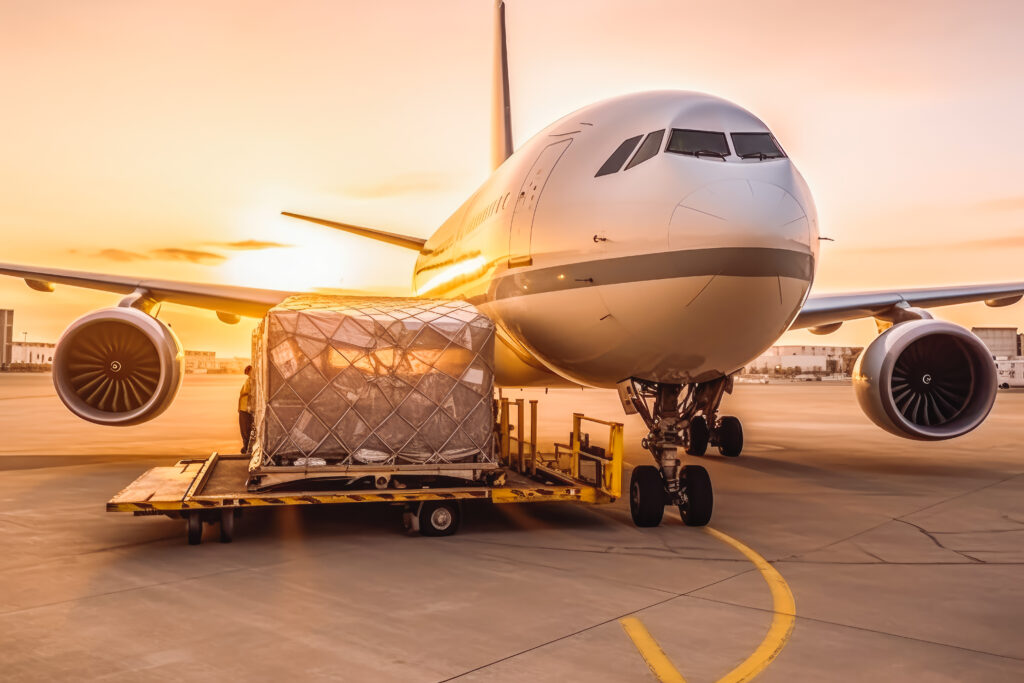
Air freight has always been the fastest way to move goods across the globe. It plays a critical role in transporting high-value products, pharmaceuticals, electronics, and time-sensitive shipments. However, managing air cargo is becoming increasingly complex. Freight operators must coordinate airlines, airports, customs, warehouses, and ground transportation while meeting tight delivery schedules.
Traditional software helps track shipments and manage workflows, but many decisions still rely on manual intervention. From adjusting routes to handling delays, logistics teams spend valuable time responding to changing conditions.
This is where agentic AI in air freight is changing the industry. Unlike conventional AI that provides recommendations, Agentic AI can monitor operations, make decisions, and initiate actions based on real-time information. The result is faster responses, improved efficiency, and more resilient cargo operations.
In this article, we’ll explore how agentic AI in air freight works, its key benefits, practical use cases, and why it’s shaping the future of air freight logistics.
What Is Agentic AI in Air Freight?
Agentic AI in air freight refers to intelligent AI agents that can independently analyze data, make operational decisions, and execute tasks with minimal human intervention.
Traditional AI might notify a logistics manager that a shipment has been delayed.
An AI agent goes a step further. It can identify an alternative flight, update delivery schedules, notify customers, and coordinate with warehouse teams automatically.
Instead of waiting for someone to respond, AI agents help keep operations moving in real time.
Why Air Freight Needs Agentic AI
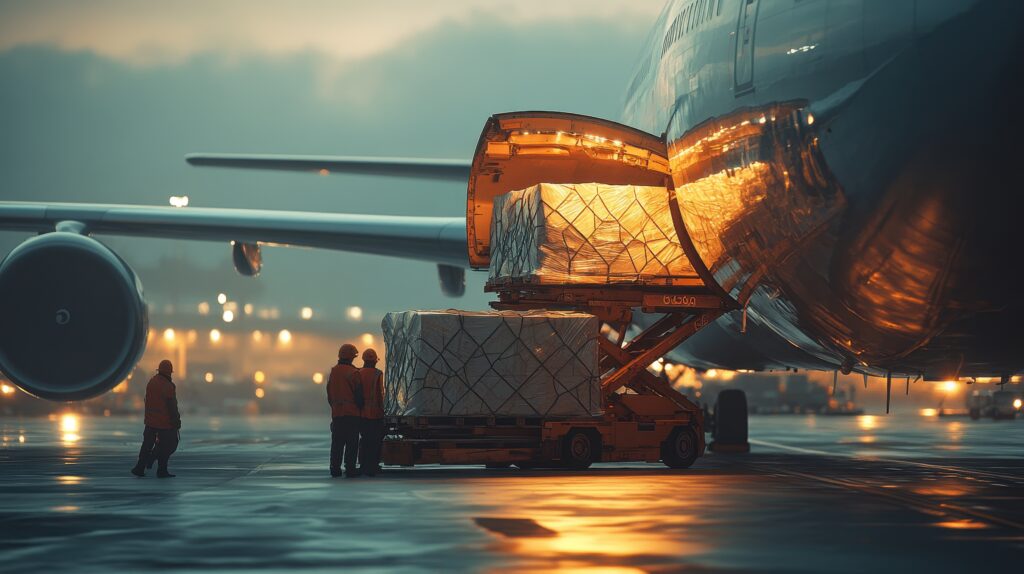
The air freight industry operates under constant pressure. Delayed flights, weather disruptions, customs clearance, limited cargo capacity, and changing customer demands all affect delivery performance.
Managing these variables manually can slow operations and increase costs.
With agentic AI in air freight, businesses can respond to disruptions as they happen. AI agents continuously monitor shipment data, identify risks, and recommend or initiate corrective actions before delays become larger operational problems.
This allows logistics teams to focus on complex decisions while AI handles routine operational tasks.
How Agentic AI Is Transforming Air Freight
Smarter Shipment Planning
Planning air cargo involves balancing delivery deadlines, flight schedules, cargo capacity, and transportation costs.
Agentic AI in air freight evaluates these factors in real time to recommend the most efficient shipping option based on changing operational conditions.
This helps businesses improve planning while reducing unnecessary delays.
Real-Time Disruption Management
Flight delays and weather disruptions are common challenges in air freight logistics.
Instead of simply reporting delays, AI agents continuously monitor flights and identify alternative routes or available cargo space when disruptions occur.
This allows shipments to continue moving with minimal interruption.
Automated Documentation
Air freight requires extensive documentation, including air waybills, customs declarations, commercial invoices, and compliance paperwork.
AI agents help verify documents, identify missing information, and automate repetitive administrative tasks.
This reduces manual work while lowering the risk of documentation errors.
Better Cargo Visibility
Customers expect accurate shipment updates throughout the delivery process.
Using AI air freight technologies, AI agents combine data from airlines, airports, tracking systems, and warehouse platforms to provide real-time visibility.
This improves communication between logistics providers and customers while helping businesses respond quickly to changing shipment conditions.
Smarter Capacity Management
Cargo space is one of the most valuable resources in air freight.
Agentic AI analyzes booking trends, shipment priorities, and available capacity to recommend better cargo allocation.
This helps airlines and logistics providers maximize available space while improving operational efficiency.
Benefits of Agentic AI in Air Freight
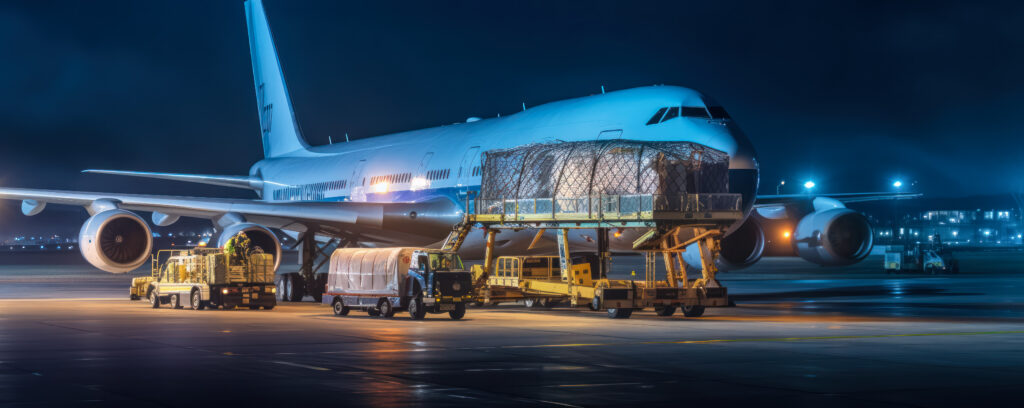
Businesses implementing agentic AI in air freight are seeing improvements across multiple areas of their operations.
Some of the key benefits include:
- Faster operational decisions
- Improved shipment visibility
- Reduced manual paperwork
- Better cargo capacity utilization
- More accurate delivery estimates
- Lower operational costs
- Stronger customer communication
Instead of replacing logistics professionals, AI agents help them make better decisions while reducing repetitive administrative work.
Practical Use Cases
The adoption of AI air freight is growing across the logistics industry.
Freight forwarders use AI agents to identify alternative flight options during disruptions.
Air cargo operators improve cargo planning and aircraft utilization using AI-powered forecasting.
Warehouse teams coordinate inbound and outbound shipments based on real-time flight updates.
Customer service teams provide faster shipment updates because AI automatically monitors delivery progress and alerts customers about schedule changes.
These applications demonstrate how Agentic AI improves both operational efficiency and customer experience.
Preparing for the Future
Businesses don’t need to automate every process at once.
The best approach is to begin with high-impact areas such as shipment tracking, documentation, or cargo planning. Once teams become familiar with AI-assisted workflows, organizations can expand automation across additional air freight logistics processes.
Equally important is maintaining high-quality operational data. AI performs best when shipment information, carrier schedules, and inventory records are accurate and up to date.
Final Thoughts
The future of air freight depends on faster decisions, greater visibility, and the ability to respond quickly when conditions change.
Agentic AI in air freight is helping businesses achieve these goals by automating routine decisions, improving cargo planning, reducing administrative work, and enhancing shipment visibility.
As AI air freight technology continues to evolve, logistics providers that combine experienced teams with intelligent AI agents will be better positioned to deliver faster, more reliable, and more efficient air freight logistics services.
FAQs
1. What is agentic AI in air freight?
Agentic AI in air freight uses intelligent AI agents to monitor cargo operations, make decisions, and automate logistics tasks with minimal human intervention.
2. How does AI improve air freight logistics?
AI improves air freight logistics by optimizing shipment planning, monitoring cargo in real time, automating documentation, improving capacity utilization, and responding quickly to disruptions.
3. What is the difference between traditional AI and Agentic AI?
Traditional AI provides insights and recommendations, while Agentic AI can independently make operational decisions and initiate actions based on real-time conditions.
4. Can small logistics companies use AI air freight solutions?
Yes. Many AI air freight platforms are scalable and can help logistics providers of all sizes improve efficiency, shipment visibility, and customer service without replacing existing systems.