The Future of Freight Forwarding in an AI-Driven World
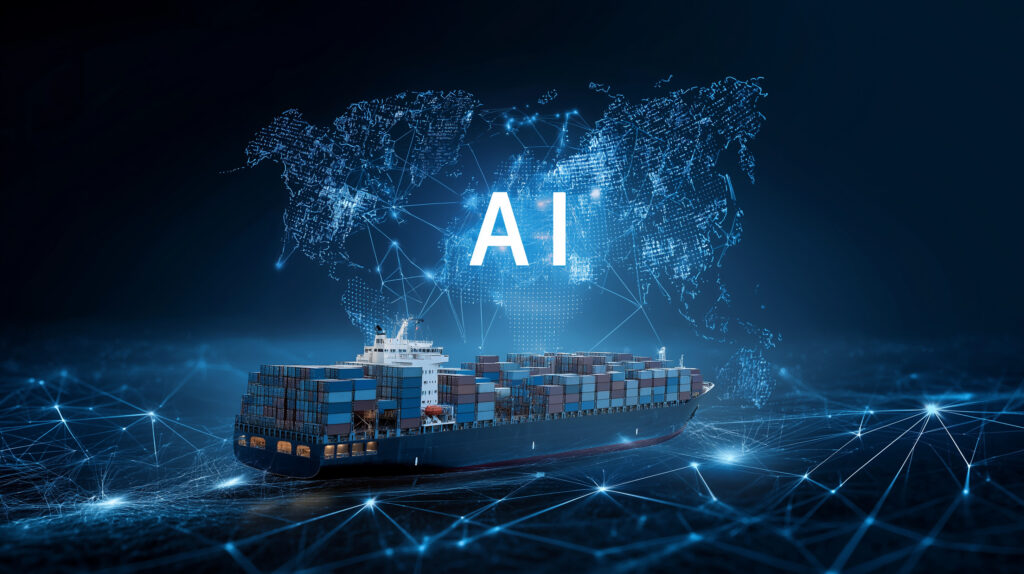
Freight forwarding has always been about connecting the right carriers, routes, and documentation to move cargo efficiently across the globe. While the core responsibility hasn’t changed, the way freight forwarders operate is evolving rapidly. Growing customer expectations, global supply chain disruptions, rising transportation costs, and increasing shipment volumes are forcing businesses to rethink traditional workflows.
This is where real impact changes the future of freight. Rather than replacing freight forwarders, AI is helping them make faster decisions, improve shipment visibility, automate repetitive tasks, and provide better customer service.
The future of freight isn’t about removing people from the process. It’s about giving logistics professionals the tools they need to manage increasingly complex operations with greater speed and accuracy. In this article, we’ll explore how AI is reshaping freight forwarding, the opportunities it creates, and what businesses should do to prepare.
Why Freight Forwarding Is Changing
Freight forwarding has become far more complex than it was just a few years ago.
Businesses now manage shipments across multiple carriers, ports, customs authorities, and transportation providers while customers expect real-time updates and shorter delivery times. Unexpected events such as port congestion, extreme weather, and geopolitical changes can disrupt shipments with little warning.

How AI Is Transforming Freight Forwarding
Modern freight AI solutions analyze large amounts of operational data and turn it into actionable insights. Instead of spending hours reviewing reports or manually comparing options, freight teams can make informed decisions much faster.
Here are some of the biggest ways AI is changing freight forwarding.
Smarter Freight Planning
Choosing the right shipping route involves much more than finding the shortest distance.
AI evaluates carrier performance, transit times, weather conditions, fuel costs, and port congestion before recommending the most efficient shipping option.
This allows freight forwarders to reduce delays while improving delivery reliability.
Faster Freight Quotes
Preparing freight quotations often requires comparing multiple carrier rates and transit options.
AI speeds up this process by analyzing available pricing and shipment requirements in seconds, helping businesses respond to customer requests more quickly.
For companies offering freight transportation services, this creates a better customer experience while reducing administrative work.
Better Shipment Visibility
Customers increasingly expect to know where their cargo is throughout the shipping journey.
Freight AI combines data from GPS tracking, shipping lines, port systems, and transportation platforms to provide real-time shipment visibility.
Instead of waiting for manual updates, logistics teams can identify delays early and communicate proactively with customers.
Automated Documentation
Freight forwarding involves significant paperwork, including bills of lading, commercial invoices, customs documents, and shipping instructions.
AI helps automate document verification, identify missing information, and reduce manual data entry.
This not only saves time but also lowers the risk of documentation errors that can delay shipments.
Predicting Disruptions Before They Happen
One of AI’s biggest strengths is identifying risks before they become operational problems.
By analyzing historical shipment data and current conditions, AI can predict possible delays caused by weather, port congestion, or transportation bottlenecks.
This gives freight forwarders more time to adjust shipping plans and minimize disruptions.
Will AI Replace Freight Forwarders?
This is one of the most common questions businesses ask.
The short answer is no.
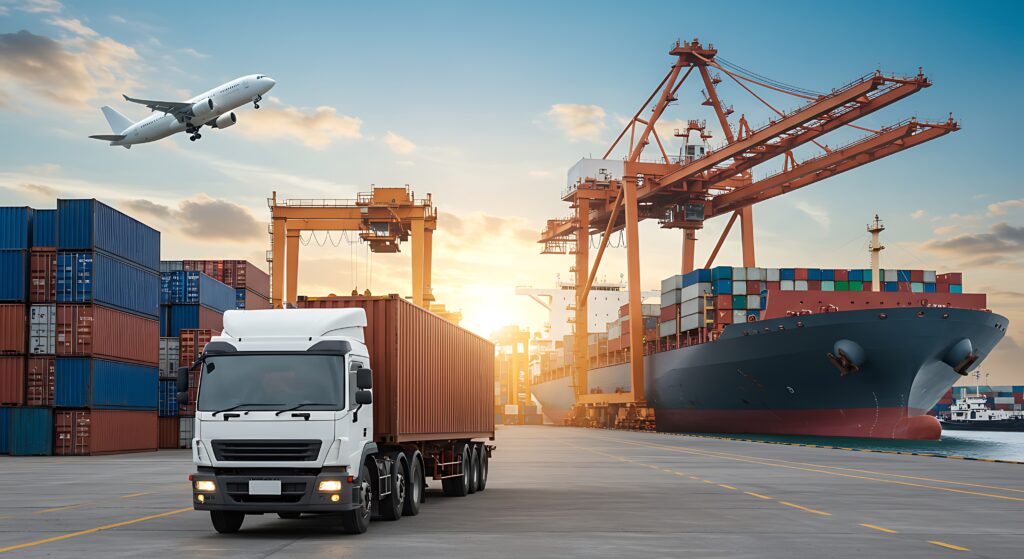
AI can automate repetitive tasks and improve decision-making, but freight forwarding still depends on human expertise.
Experienced freight professionals negotiate with carriers, solve unexpected shipping issues, manage customs requirements, and build relationships with customers and logistics partners. These responsibilities require judgment, communication, and industry experience that AI cannot replace.
The future of freight belongs to companies that combine intelligent technology with experienced logistics teams.
Benefits for Freight Transportation Services
Businesses adopting AI-powered freight transportation services are seeing improvements across multiple areas.
Some of the biggest advantages include:
- Faster shipment planning
- Better route optimization
- Reduced manual paperwork
- Improved shipment visibility
- More accurate delivery estimates
- Better customer communication
- Increased operational efficiency
Rather than replacing existing systems, AI enhances them by helping logistics teams make faster and more informed decisions.
How Businesses Can Prepare for the Future
Preparing for the future of freight doesn’t require replacing every existing system overnight.
Instead, businesses should focus on modernizing one process at a time.
Start by improving shipment visibility, digitizing documentation, or implementing AI-powered transportation planning. As employees become familiar with these technologies, companies can expand AI across additional freight operations.
It’s equally important to invest in employee training. The best results come when experienced logistics professionals understand how to use AI as a decision-support tool rather than viewing it as a replacement.
What’s Next for Freight Forwarding?
The next generation of freight forwarding will be more connected, predictive, and intelligent.
AI agents will help coordinate shipments, recommend alternative routes, automate documentation, and improve communication across the supply chain. Businesses will also gain better visibility into carrier performance, transportation costs, and shipment risks through advanced analytics.
As these technologies continue to mature, the future of freight will focus less on manual coordination and more on proactive decision-making supported by data.
Companies that begin investing in freight AI today will be better prepared to adapt to changing customer expectations and global supply chain challenges.
Final Thoughts
Freight forwarding has always been built on expertise, coordination, and strong relationships. Those qualities will remain essential in the years ahead.
What will change is how decisions are made.
AI is helping businesses improve planning, automate routine tasks, increase shipment visibility, and deliver more reliable freight transportation services. Rather than replacing freight professionals, it enables them to work more efficiently and focus on solving higher-value challenges.
The future of freight will belong to organizations that successfully combine human expertise with intelligent technology, creating faster, smarter, and more resilient logistics operations.
FAQs
1. What is the future of freight forwarding?
The future of freight will be driven by AI, automation, real-time visibility, and data-driven decision-making that help freight forwarders improve efficiency and customer service.
2. How is freight AI used in freight forwarding?
Freight AI is used for route optimization, shipment tracking, demand forecasting, document processing, risk prediction, and operational planning.
3. Will AI replace freight forwarders?
No. AI automates repetitive tasks and supports decision-making, but freight forwarders remain essential for managing customer relationships, customs requirements, negotiations, and complex shipping challenges.
4. How can freight transportation services benefit from AI?
AI helps freight transportation services improve shipment visibility, reduce paperwork, optimize routes, respond faster to disruptions, and deliver a more reliable customer experience.