Last-Mile Delivery Challenges and How Technology Is Solving Them
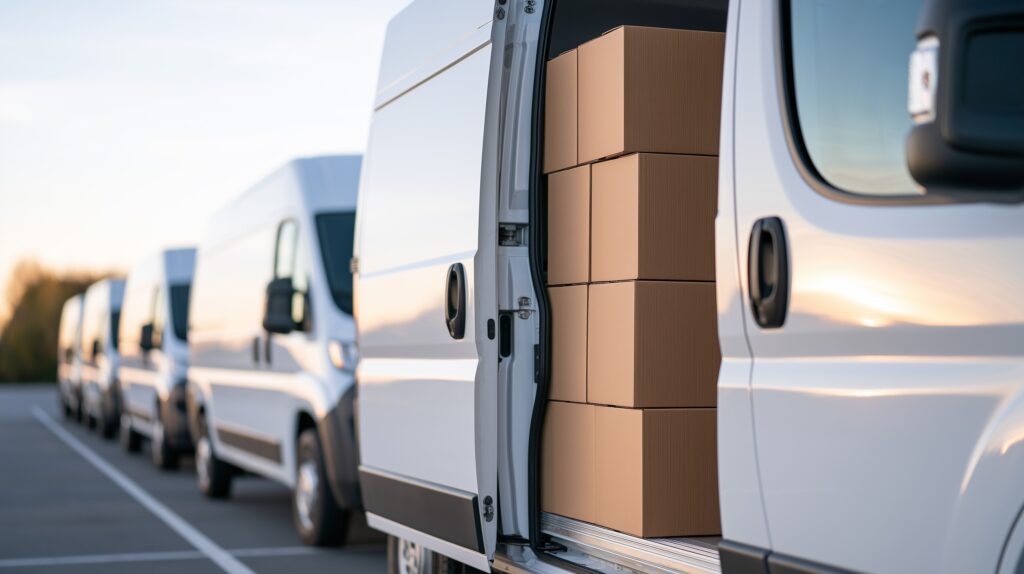
Last-mile delivery has become one of the most important stages of the logistics journey. It is the final step where products move from a distribution hub or warehouse to the customer’s doorstep. While it may cover the shortest distance in the supply chain, it is often the most expensive, time-consuming, and operationally complex.
The rapid growth of eCommerce, rising customer expectations for same-day and next-day deliveries, and increasing urban congestion have made last-mile delivery a significant challenge for logistics providers.
To meet these expectations, logistics companies are moving beyond traditional delivery models and embracing AI-powered technologies that improve visibility, automate operations, and optimize delivery performance. Modern last mile delivery solutions are helping organizations build smarter logistics networks that reduce costs while improving service quality.
Why Last-Mile Delivery Is So Challenging
Unlike long-haul transportation, last-mile delivery involves managing hundreds or even thousands of individual delivery points every day. Each delivery introduces variables that can affect operational efficiency, including traffic congestion, customer availability, delivery windows, weather conditions, and route changes.
Traditional planning methods struggle to adapt to these constantly changing conditions. Drivers may spend unnecessary time navigating congested roads, deliveries may be delayed because of inaccurate routing, and customers often receive limited updates about their orders.
As delivery volumes continue to increase, these operational inefficiencies quickly translate into higher fuel costs, reduced driver productivity, and lower customer satisfaction.
Rising Customer Expectations Are Reshaping Logistics
Customers no longer judge businesses solely by the quality of their products. Delivery speed, transparency, and reliability have become equally important.
Consumers expect accurate delivery estimates, real-time shipment tracking, and proactive communication throughout the delivery journey. Delays without explanation or inaccurate delivery windows can quickly damage customer trust.
This shift has made technology a critical investment rather than an operational enhancement.
Route Optimization Is Improving Delivery Efficiency
One of the most effective ways to improve last mile delivery is through intelligent route optimization.
Traditional route planning often relies on static maps or manually planned schedules that cannot respond to changing road conditions throughout the day. AI-powered route optimization continuously analyzes live traffic, weather conditions, delivery priorities, vehicle capacity, and historical delivery performance to identify the most efficient routes.
Instead of simply choosing the shortest distance, intelligent routing identifies the fastest and most cost-effective delivery path.
Real-Time Visibility Enables Faster Decision-Making
Limited visibility remains one of the biggest challenges in logistics operations.
Without access to real-time delivery information, operations teams often discover delays only after customers begin reporting issues. This reactive approach makes it difficult to resolve problems before they affect delivery performance.
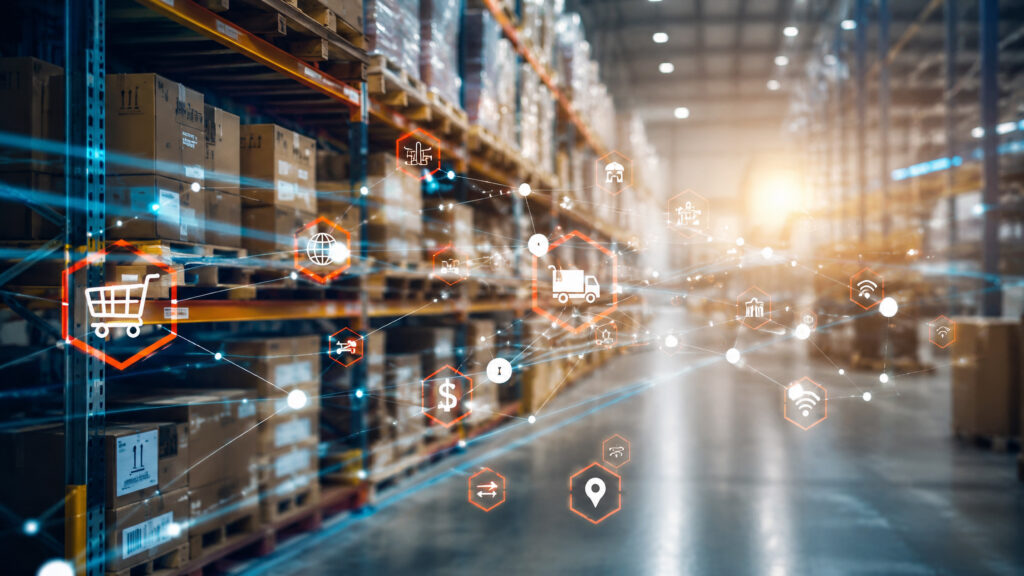
Modern last mile delivery solutions provide centralized dashboards that allow businesses to monitor drivers, vehicles, shipments, and delivery progress in real time.
With continuous operational visibility, logistics teams can reroute drivers, update customers proactively, and respond immediately to unexpected disruptions. Organizations looking to modernize logistics operations often integrate these capabilities with Data Engineering Services to create unified, data-driven logistics platforms.
Automation Reduces Operational Complexity
Managing thousands of deliveries manually is both inefficient and difficult to scale.
Administrative tasks such as dispatching drivers, assigning deliveries, updating customers, generating reports, and managing proof of delivery consume valuable operational time. Manual processes also increase the likelihood of errors and inconsistent communication.
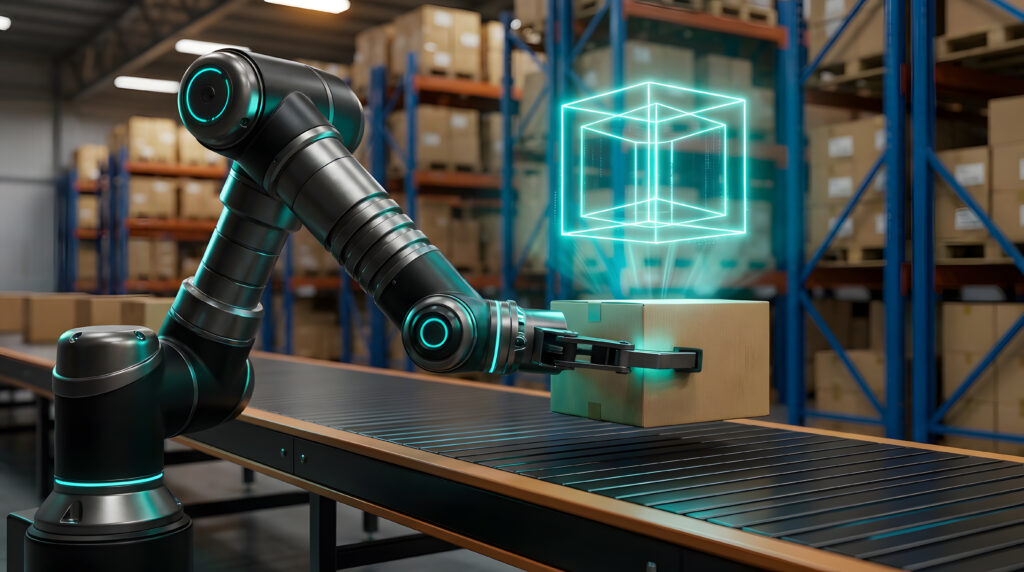
Automation simplifies these workflows by assigning deliveries intelligently, updating delivery statuses automatically, and generating digital documentation throughout the delivery lifecycle.
When combined with Intelligent Automation (RPA), logistics businesses can eliminate repetitive administrative work, allowing operations teams to focus on higher-value decision-making while improving delivery consistency.
Connected Logistics Platforms Create Better Coordination
Many delivery organizations still operate with disconnected software for fleet management, customer communication, inventory, warehouse operations, and transportation planning.
These isolated systems create information silos that slow decision-making and reduce operational visibility.
Modern logistics platforms connect every stage of the delivery process through integrated enterprise applications. Information flows seamlessly between warehouses, transportation systems, customer portals, and operational dashboards, allowing every stakeholder to work with the same real-time information.
Organizations investing in connected logistics ecosystems often combine Enterprise Application Development with Cloud Engineering to build scalable digital platforms that improve collaboration and support long-term operational growth.
AI Is Making Last-Mile Delivery More Predictable
Artificial intelligence is changing how logistics companies approach last mile delivery. Rather than reacting to delivery issues after they occur, AI enables businesses to anticipate challenges before they impact operations.
By analyzing historical delivery patterns alongside real-time operational data, AI can identify potential delays, recommend alternative delivery schedules, predict customer.
demand, and optimize fleet allocation. These insights help businesses improve planning while making better use of available resources.
As logistics operations become more complex, AI allows companies to move from reactive decision-making to predictive logistics, improving both efficiency and customer satisfaction.
Sustainability Is Becoming a Last-Mile Priority
Environmental responsibility is becoming an important consideration across the logistics industry.
Last-mile delivery accounts for a significant share of transportation emissions due to frequent stops, inefficient routes, and increasing delivery volumes. Businesses are under growing pressure from customers and regulators to reduce their environmental impact without compromising delivery performance.
Technology is helping organizations achieve both objectives. Intelligent route optimization reduces unnecessary mileage and idle time, while AI improves vehicle utilization by creating more efficient delivery schedules. Some organizations are also adopting electric delivery vehicles and using predictive analytics to minimize empty trips.
By improving delivery efficiency, businesses not only lower fuel costs but also reduce emissions and build more sustainable logistics operations.
The Future of Last-Mile Delivery
The future of last mile delivery will be shaped by intelligent, connected technologies that continuously optimize operations.
Artificial intelligence, predictive analytics, autonomous delivery technologies, IoT-enabled tracking, and cloud-native logistics platforms are transforming how businesses manage deliveries. Rather than relying on disconnected systems and manual planning, organizations are building digital ecosystems that provide end-to-end visibility across every stage of transportation.
Businesses that invest in intelligent last mile delivery solutions today will be better positioned to scale operations, improve customer experiences, and remain competitive in an increasingly demanding logistics environment.
Conclusion
Last-mile delivery has become one of the defining factors of customer satisfaction and operational success. As delivery expectations continue to rise, businesses can no longer depend on traditional planning methods that struggle to adapt to real-world conditions.
Modern last mile delivery solutions combine AI, automation, cloud technologies, and route optimization to improve visibility, reduce transportation costs, and deliver faster, more reliable customer experiences. These technologies help organizations streamline operations while building more resilient and scalable delivery networks.
FAQs
1. What is last mile delivery?
Last mile delivery is the final stage of the supply chain, where products are transported from a warehouse or distribution center to the customer’s final delivery location. It plays a critical role in customer satisfaction and delivery efficiency.
2. Why is last mile delivery so challenging?
Last mile delivery involves multiple variables such as traffic congestion, delivery time windows, customer availability, weather conditions, and route changes. These factors make deliveries more expensive and operationally complex than other stages of the supply chain.
3. How does route optimization improve last mile delivery?
Route optimization uses AI and real-time data to identify the most efficient delivery routes based on traffic, weather, delivery priorities, and vehicle capacity.
4. What are modern last mile delivery solutions?
Modern last mile delivery solutions combine AI, cloud computing, automation, GPS tracking, predictive analytics, and enterprise software to improve delivery planning, fleet visibility, customer communication, and operational efficiency.