What Is Logistics? Importance, Types, and Benefits
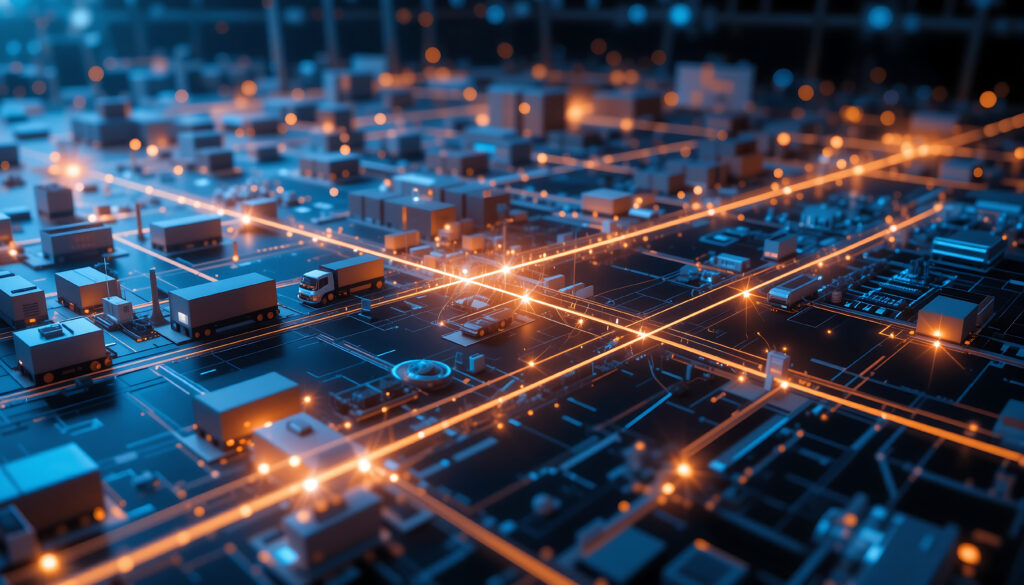
Every product you buy has a journey before it reaches your hands. Whether it’s groceries ordered online, industrial equipment shipped across continents, or medical supplies delivered to hospitals, there’s an intricate process working behind the scenes to ensure everything arrives at the right place, at the right time.
To answer what is logistics that process is simply called logistics.
As global trade continues to expand and customer expectations for faster deliveries grow, logistics has become one of the most critical functions for businesses across every industry. It’s no longer just about transporting goods it’s about creating efficient, connected, and intelligent supply chains that can adapt to changing market demands.
In this guide, we’ll explore what is logistics more deeply, its importance, the different types of logistics, and the benefits it brings to modern businesses.
What Is Logistics?
To understand what is logistics, it’s important to look beyond transportation.
The logistics definition refers to the planning, coordination, execution, and monitoring of the movement and storage of goods, services, and information from the point of origin to the final destination. The primary goal of logistics is to ensure that products reach customers efficiently, safely, and cost-effectively.
In simple terms, the logistics meaning is managing everything required to move products through the supply chain. This includes procurement, inventory management, warehousing, transportation, order fulfillment, packaging, and delivery.
Why Is Logistics Important?
Efficient logistics is crucial for avoiding delays, controlling costs, and keeping customers satisfied by ensuring the right inventory and reliable deliveries. It also strengthens supplier and customer relationships through timely, accurate shipments.
Today, logistics is a strategic driver of growth and resilience, not just a support function. As companies enter global markets, effective logistics helps them manage complex supply chains while maintaining efficiency and visibility.
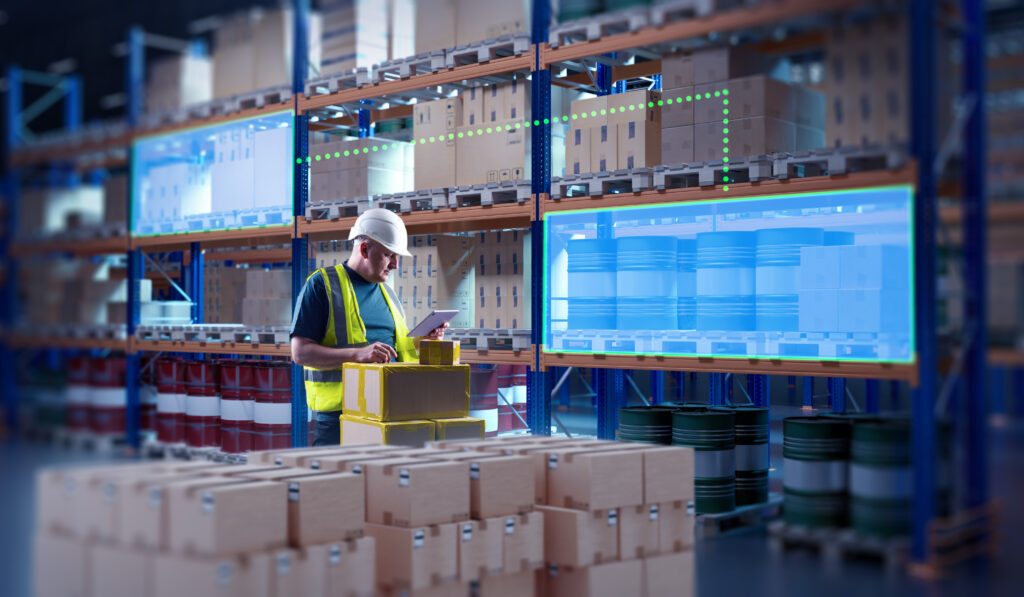
Why Is Logistics Important?
Efficient logistics is crucial for avoiding delays, controlling costs, and keeping customers satisfied by ensuring the right inventory and reliable deliveries. It also strengthens supplier and customer relationships through timely, accurate shipments.
Today, logistics is a strategic driver of growth and resilience, not just a support function. As companies enter global markets, effective logistics helps them manage complex supply chains while maintaining efficiency and visibility.
The Different Types of Logistics
Logistics encompasses several interconnected functions that work together to ensure goods move efficiently through the supply chain.
Inbound Logistics
Inbound logistics focuses on sourcing, purchasing, and transporting raw materials or products from suppliers to manufacturing facilities or warehouses. Efficient inbound logistics ensures businesses receive the materials they need without unnecessary delays or excess inventory.
Outbound Logistics
Outbound logistics involves storing, packing, transporting, and delivering finished products to customers or distribution partners. This stage directly influences customer satisfaction, making speed, accuracy, and reliability essential.
Reverse Logistics
Not every shipment ends with delivery. Reverse logistics manages the return of products due to defects, exchanges, repairs, recycling, or disposal. As e-commerce continues to grow, reverse logistics has become increasingly important for maintaining customer trust and reducing waste.
Distribution Logistics
Distribution logistics focuses on moving products from warehouses or distribution centers to retailers, wholesalers, or end customers. It ensures products are delivered through the most efficient routes while balancing speed and cost.
Warehouse Logistics
Warehouse logistics involves inventory storage, stock management, order picking, packing, and shipment preparation. Modern warehouses increasingly rely on automation, robotics, and AI-powered inventory management systems to improve productivity and accuracy.
Each type of logistics contributes to a connected supply chain where every process supports the next, creating smoother operations and better customer experiences.
The Benefits of Effective Logistics
Strong logistics capabilities offer businesses benefits beyond transportation, most notably improved operational efficiency. Streamlined processes reduce delays, minimize manual work, and optimize goods movement, while better visibility helps identify and address inefficiencies early. Effective logistics also lowers costs through optimized routes, improved inventory management, and waste reduction.
Reliable logistics boosts customer satisfaction by ensuring accurate inventory, timely deliveries, and faster order fulfillment, which strengthens brand loyalty. Access to real-time data provides valuable insights, allowing for better demand forecasting, resource allocation, and strategic decision-making.
Ultimately, efficient logistics gives businesses a competitive edge by enabling faster delivery, greater efficiency, and adaptability in a dynamic market.
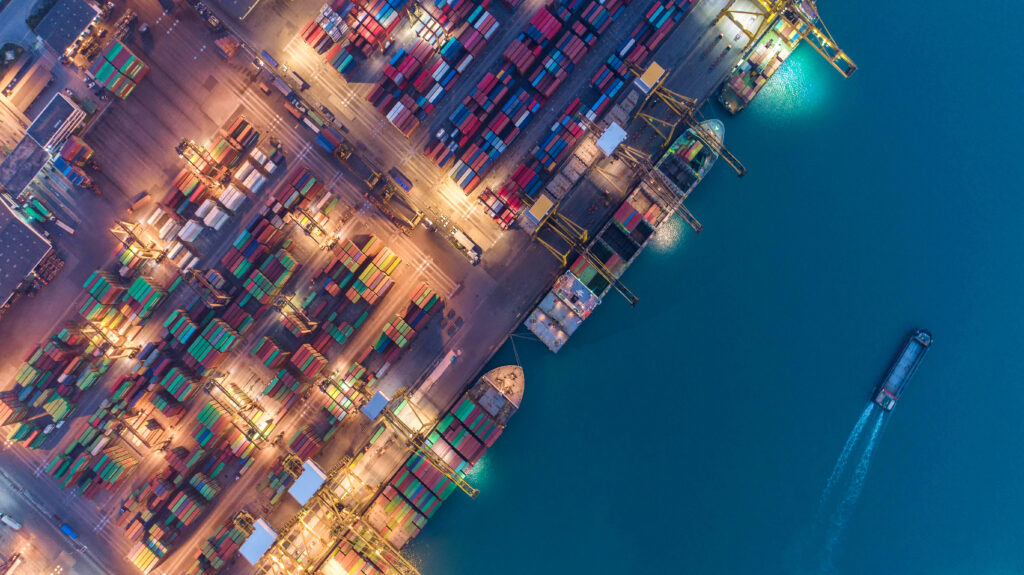
How Technology Is Transforming Modern Logistics
The logistics industry has undergone significant digital transformation over the past decade. Traditional processes that relied heavily on manual coordination are being replaced by intelligent, data-driven systems capable of optimizing operations in real time.
Artificial intelligence helps businesses predict demand, optimize delivery routes, and identify potential disruptions before they affect operations. Cloud-based platforms provide centralized access to operational data across warehouses, transportation networks, and suppliers, enabling better collaboration and faster decision-making.
Automation is also reshaping logistics by reducing repetitive administrative tasks, improving warehouse efficiency, and accelerating order fulfillment. At the same time, IoT devices provide real-time tracking of vehicles, cargo, and inventory, giving organizations greater visibility throughout the supply chain.
As these technologies continue to evolve, logistics is becoming increasingly proactive rather than reactive. Businesses can anticipate challenges, improve operational resilience, and deliver higher levels of service while controlling costs.
The Future of Logistics
Rising consumer expectations, global trade, and new technology are transforming logistics, pushing businesses to build adaptive, intelligent supply chains. AI, predictive analytics, automation, and integrated systems help organizations make faster decisions, optimize resources, and achieve greater end-to-end visibility.
Sustainability is increasingly important, with companies adopting technologies to reduce fuel use, improve route planning, and lower emissions for greener supply chains. Embracing digital transformation now positions organizations for future competitiveness in logistics.
Conclusion
Understanding what is logistics is the first step toward recognizing its impact on modern business. From managing inventory and transportation to coordinating warehousing and deliveries, logistics plays a fundamental role in ensuring products move efficiently across the supply chain.
As supply chains become more complex, businesses need more than traditional logistics processes. They need intelligent, connected systems that improve visibility, automate operations, and support faster, data-driven decision-making.
FAQs
1. What is logistics in simple terms?
Logistics is the process of planning, managing, and coordinating the movement and storage of goods from their point of origin to the final customer. It includes transportation, warehousing, inventory management, packaging, and order fulfillment.
2. What is the difference between logistics and supply chain management?
Logistics focuses on the movement, storage, and delivery of goods, while supply chain management covers the entire network of activities involved in sourcing raw materials, manufacturing products, logistics, and delivering them to customers.
3. What are the main types of logistics?
The primary types of logistics include inbound logistics, outbound logistics, reverse logistics, distribution logistics, and warehouse logistics.
4. Why is logistics important for businesses?
Logistics helps businesses reduce operational costs, improve inventory management, ensure timely deliveries, enhance customer satisfaction, and create more efficient supply chain operations.