How Ship Management Software Solves the Modern Day Challenges of the Logistics Industry
The logistics industry has always been dynamic, but today’s challenges are more complex than ever. Rising customer expectations, volatile fuel prices, tighter regulations, supply chain disruptions, and increasing operational costs have made efficient shipping operations a business priority rather than a competitive advantage.
Many companies use outdated, disconnected systems for managing fleets, cargo, maintenance, and compliance, causing information silos. This slows decision-making and raises operational risks.
This is where ship management software plays a transformative role. Instead of treating fleet management, maintenance, documentation, and reporting as separate functions, modern platforms bring them together into a single, intelligent ecosystem.
The Growing Complexity of Modern Ship Management
Managing vessels today involves much more than tracking their location. Logistics businesses must coordinate cargo schedules, vessel performance, maintenance activities, regulatory compliance, crew operations, and customer communication simultaneously.
Traditional approaches make it difficult to respond quickly because information is scattered across multiple systems. Decision-makers often spend valuable time gathering data before they can act, causing avoidable delays and higher operating costs.
A modern ship management software platform centralizes operational data, giving stakeholders access to accurate, real-time information whenever they need it. Instead of reacting to problems after they occur, businesses can identify risks early and make proactive decisions that keep operations running smoothly.
Improving Operational Visibility Across the Fleet
One of the biggest challenges in logistics is maintaining complete visibility across shipping operations. Without a unified view of fleet performance, cargo movement, and operational status, it becomes difficult to optimize resources or respond quickly to disruptions.
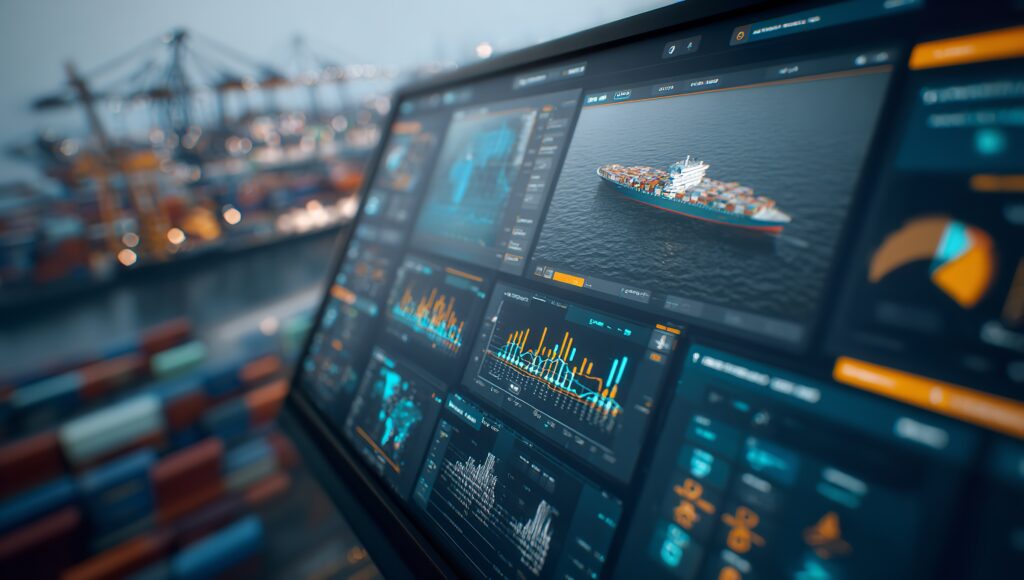
Modern ship management platforms provide centralized dashboards that bring together information from multiple operational systems. Fleet managers can monitor vessel performance, shipment progress, maintenance schedules, and operational metrics from a single interface.
This level of visibility improves coordination between departments and enables faster decision-making. Whether responding to changing weather conditions, adjusting shipping schedules, or reallocating resources, organizations can act with confidence because they are working with accurate, real-time data rather than outdated reports.
Automating Routine Processes to Increase Efficiency
Shipping operations are filled with repetitive administrative tasks like documentation, maintenance scheduling, and compliance reporting, which consume time and increase the risk of human error.
Modern shipping solutions automate these workflows, enabling teams to focus on strategic work. Automation improves productivity, ensures consistency, and streamlines processes, minimizing delays and errors as operations scale.
Using AI to Make Better Operational Decisions
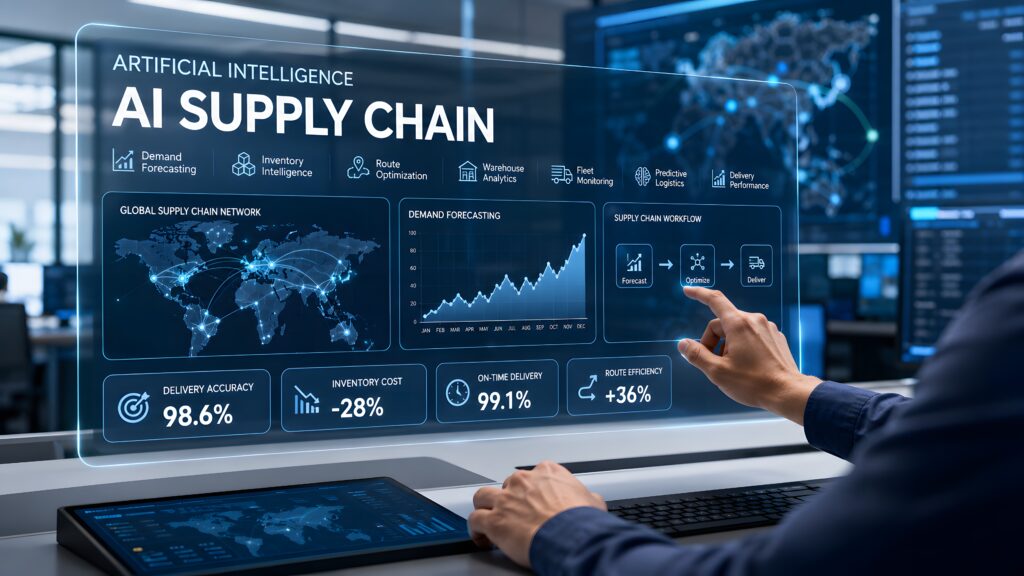
AI is reshaping logistics by transforming operational data into actionable insights. Rather than simply storing information, AI-powered ship management software analyzes large volumes of operational data to identify patterns, predict potential issues, and recommend the most effective course of action.
For example, AI can evaluate vessel performance, maintenance history, weather forecasts, fuel consumption, and shipping schedules to help operators optimize routes and reduce unnecessary costs. Predictive maintenance capabilities identify equipment issues before they result in unexpected failures, helping organizations reduce downtime and extend the lifespan of critical assets.
As logistics networks become more complex, AI enables businesses to make faster, more informed decisions while improving overall operational efficiency.
Strengthening Compliance and Risk Management
The shipping industry is highly regulated, requiring precise management of certifications, inspections, regulations, and maintenance records to avoid penalties and disruptions.
As fleets grow, manual compliance becomes difficult and risky. Modern ship management software centralizes records, automates reminders, and generates audit-ready reports, reducing administrative work and ensuring consistent regulatory compliance.
Building Connected Logistics Operations
Many logistics organizations still rely on separate systems for finance, warehouse, customer communication, and fleet operations, leading to duplicate data and slow collaboration.
Modern shipping solutions integrate with ERP, warehouse, and business intelligence systems, creating a single source of truth and automating information flow. This connectivity offers leaders greater operational visibility, more accurate reporting, and a foundation for strategic growth and agility.
Why AI-Native Ship Management Is the Future
Digital transformation is no longer about replacing paperwork with software. Today’s logistics leaders are investing in AI-native platforms that continuously learn, adapt, and improve operational performance.
By combining AI, automation, cloud infrastructure, and enterprise integrations, modern ship management software enables businesses to anticipate disruptions, optimize fleet utilization, improve maintenance planning, and make data-driven decisions in real time.
This proactive approach helps organizations remain competitive in an industry where speed, efficiency, and reliability are increasingly important.
As customer expectations continue to evolve and supply chains become more interconnected, businesses that embrace intelligent ship management will be better positioned to navigate future challenges and seize new opportunities.
Conclusion
Modern logistics requires intelligence, visibility, and adaptability not just efficient vessel operations. Relying on fragmented systems leads to higher costs and slower decisions.
Ship management software centralizes operations, automates workflows, and leverages AI for smarter decisions, creating a more resilient, efficient, and competitive shipping business.

FAQs
1. What is ship management software?
Ship management software is a digital platform that helps logistics and maritime businesses manage vessel operations, maintenance, compliance, documentation, cargo tracking, and fleet performance from a centralized system.
2. How does ship management software improve logistics operations?
It improves operational visibility, automates manual workflows, enhances compliance, optimizes maintenance planning, and provides real-time insights that help businesses make faster and more informed decisions.
3. Why is AI becoming important in ship management?
AI enables predictive maintenance, intelligent route optimization, operational forecasting, and real-time analytics.
4. Can ship management software integrate with existing business systems?
Yes. It can integrate with ERP systems, warehouse management software, transportation management systems, CRM platforms, cloud infrastructure, and analytics tools.