
The “Magic Mix” for Freight: Why the Best Shipping Solution Isn’t Always Black and White
When businesses think about freight shipping, the conversation often starts with a simple question:
“Should we ship by air, sea, or road?”
The reality is far more complex. The shipping solution is not easy, but never impossible.
Today’s supply chains operate in an environment shaped by volatile fuel prices, shifting customer expectations, geopolitical disruptions, changing trade regulations, and increasing pressure to reduce carbon emissions. Choosing one transportation mode for every shipment is rarely the smartest strategy.
The most successful logistics operations don’t rely on a single approach they build a flexible shipping solution that combines multiple transportation methods based on cost, urgency, reliability, and business goals.
In freight, the smartest answer is rarely black and white. It’s about finding the right mix.
Why One Shipping Method Can’t Solve Every Challenge
Every mode of transport has strengths and trade-offs.
Air freight offers unmatched speed but comes with premium costs.
Ocean freight is highly economical for large shipments but involves longer transit times.
Road transport provides flexibility for regional deliveries but can be affected by congestion and fuel price fluctuations.
Rail freight delivers cost efficiency over long distances but depends on infrastructure availability.
No single option consistently delivers the ideal balance between speed, cost, sustainability, and resilience. Modern supply chains require businesses to evaluate every shipment individually rather than relying on default transportation choices.
Intermodal strategies have become increasingly important because they help businesses balance cost, transit time, and flexibility during periods of market disruption.
The Four Factors Every Freight Decision Should Consider
Instead of asking “Which transport mode is best?”, leaders should ask four strategic questions.
1. How Urgent Is the Shipment?
Not every shipment needs overnight delivery.
Critical production components may justify air freight, while replenishment inventory can often travel by sea or rail without affecting operations.
Matching transportation speed to business requirements prevents unnecessary logistics spending.
2. What’s the True Cost?
Transportation costs extend beyond freight rates.
Businesses should also evaluate:
- Inventory carrying costs
- Warehousing expenses
- Delayed production risks
- Customer service impact
- Opportunity costs
Sometimes paying slightly more for faster delivery reduces overall operational expenses.
3. How Resilient Is the Route?
Recent supply chain disruptions have shown how quickly traditional shipping routes can become unreliable.
Port congestion, weather events, geopolitical conflicts, and labor shortages can delay shipments with little warning.
Diversifying transportation options creates flexibility when unexpected disruptions occur, helping businesses maintain service levels during uncertainty.
4. What Are Your Sustainability Goals?
Sustainability is becoming part of logistics planning rather than an afterthought.
Businesses increasingly evaluate transportation decisions based on carbon emissions alongside cost and speed.
Combining transportation modes often reduces environmental impact while maintaining acceptable delivery timelines.
The Rise of Hybrid Freight Strategies
Rather than choosing between air or sea, many organizations now combine multiple transportation methods within a single journey.
For example:
- Ocean freight for international movement followed by regional trucking.
- Rail combined with road transport for domestic distribution.
- Sea-air combinations for products requiring faster delivery without the full cost of air freight.
These hybrid models help businesses create supply chains that are both agile and cost-effective.
Instead of optimizing individual shipments, organizations optimize the entire logistics network.
Technology Makes the Magic Mix Possible
Managing multiple transportation modes manually quickly becomes complicated.
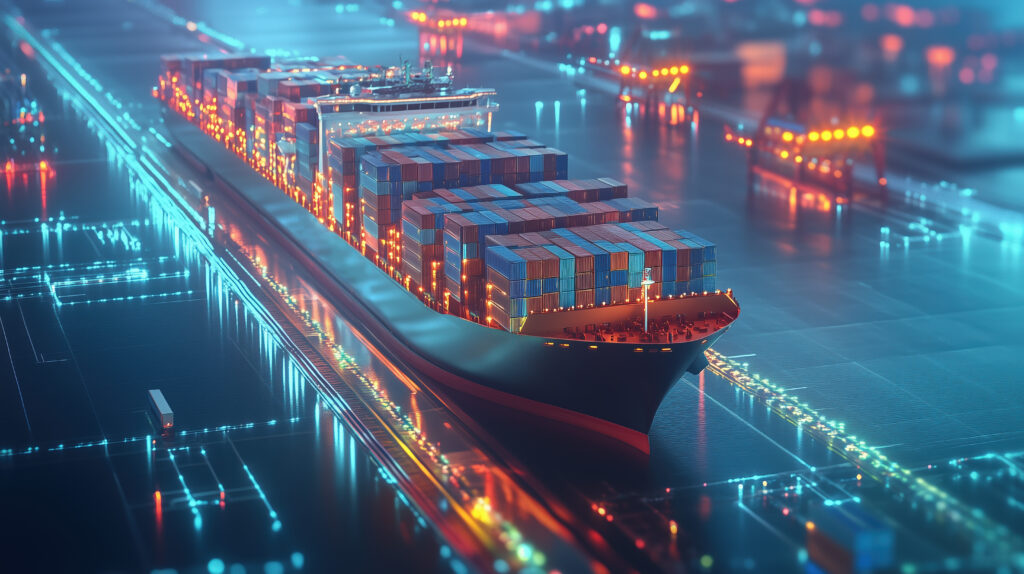
Modern logistics depends on intelligent technology that connects planning, execution, and monitoring into one ecosystem.
Advanced logistics platforms provide:
- Real-time shipment visibility
- AI-powered route optimization
- Carrier performance analytics
- Automated freight planning
- Predictive delivery forecasting
- Centralized logistics dashboards
Instead of reacting to delays, businesses can anticipate disruptions and recommend alternative shipping routes before customers are affected.
This is where digital transformation creates measurable competitive advantage.
Organizations investing in connected logistics technology gain faster decision-making, greater operational transparency, and stronger supply chain resilience.
Data Is the New Competitive Advantage
Freight decisions should no longer rely on assumptions.
Every shipment generates valuable operational data.
When businesses connect transportation, warehouse operations, inventory, and customer demand into one ecosystem, they gain insights that improve future shipping decisions.
Data helps organizations answer questions like:
- Which carriers consistently perform best?
- Which routes experience the most delays?
- Which customers require faster delivery windows?
- Which shipping methods generate the highest operational efficiency?
These insights allow logistics teams to continuously improve rather than simply execute shipments.
Shipping Solution built on cloud infrastructure, AI, and data engineering make this level of visibility possible.
Building a Smarter Freight Strategy
The future of freight shipping isn’t about replacing one transportation mode with another.
It’s about creating an intelligent shipping solution that adapts to changing business conditions.
That means combining transportation methods strategically, using real-time data to guide decisions, and investing in technology that connects every stage of the supply chain.
Businesses that embrace this flexible approach are better equipped to reduce costs, improve customer experience, and respond quickly when disruptions occur.
FAQs
1. What is a freight shipping solution?
A freight shipping solution is a strategy that combines transportation methods, technology, and logistics planning to move goods efficiently while balancing cost, speed, and reliability.
2. How do businesses choose the right freight shipping solution?
The best approach depends on shipment urgency, transportation costs, delivery timelines, sustainability goals, cargo type, and potential supply chain risks.
3. What is a hybrid freight strategy?
A hybrid freight strategy combines multiple transportation modes such as sea, air, rail, and road to create the most efficient shipping solution for different business requirements.
4. Why are businesses moving toward multimodal freight transportation?
Using multiple transport modes improves flexibility, reduces costs, minimizes risks from disruptions, and helps optimize overall supply chain performance.
5. How does technology improve freight management?
Modern logistics technology provides real-time shipment tracking, AI-powered route optimization, predictive analytics, automated freight planning, and centralized supply chain visibility.
6. What factors affect freight shipping costs?
Freight costs are influenced by transportation mode, fuel prices, shipment size and weight, delivery timelines, customs regulations, seasonal demand, and route availability.