The Future of Logistics: 10 Trends Every Business Should Know
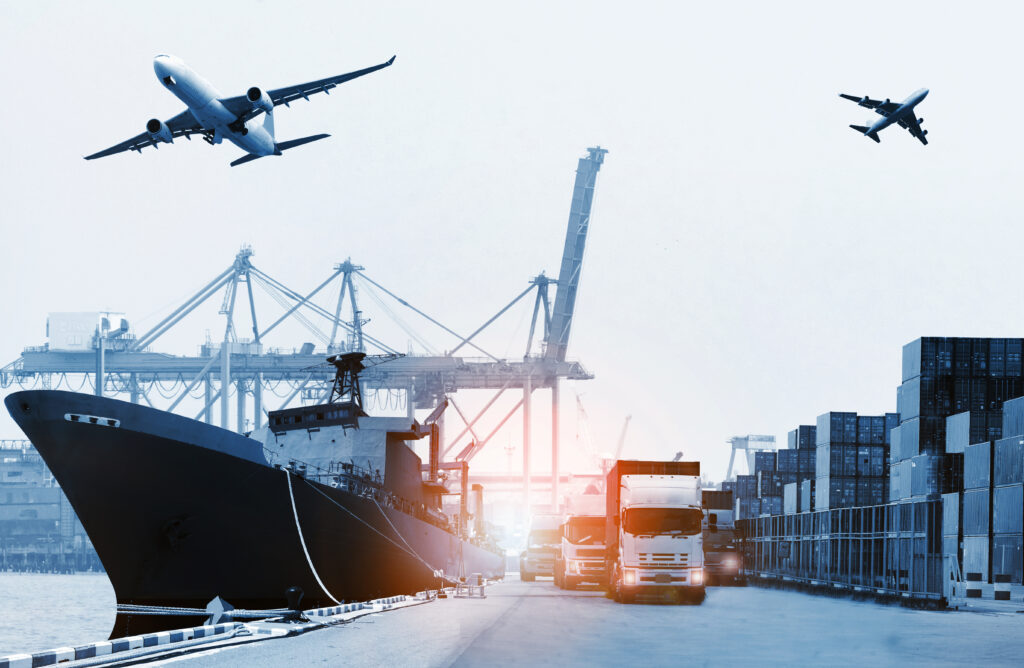
The future of logistics is being shaped by changing customer expectations, global supply chain disruptions, rising transportation costs, and rapid advances in technology. To stay competitive, businesses are investing in AI, automation, connected devices, and data analytics to improve efficiency, increase visibility, and make faster operational decisions.
These technologies are no longer reserved for large enterprises. They are becoming a standard part of modern logistics operations, helping businesses build more resilient and scalable supply chains. Understanding these trends today will prepare organizations for long-term logistic growth instead of simply reacting to change.
In this article, we’ll explore ten key trends shaping the future of logistics and what they mean for businesses.
1. AI Will Become Part of Everyday Logistics
One of the biggest drivers of the future of logistics is artificial intelligence.
Instead of simply generating reports, AI is helping businesses forecast demand, optimize delivery routes, improve warehouse operations, and identify potential disruptions before they impact customers.
As AI becomes easier to adopt, more companies of all sizes will use it to improve daily logistics operations.
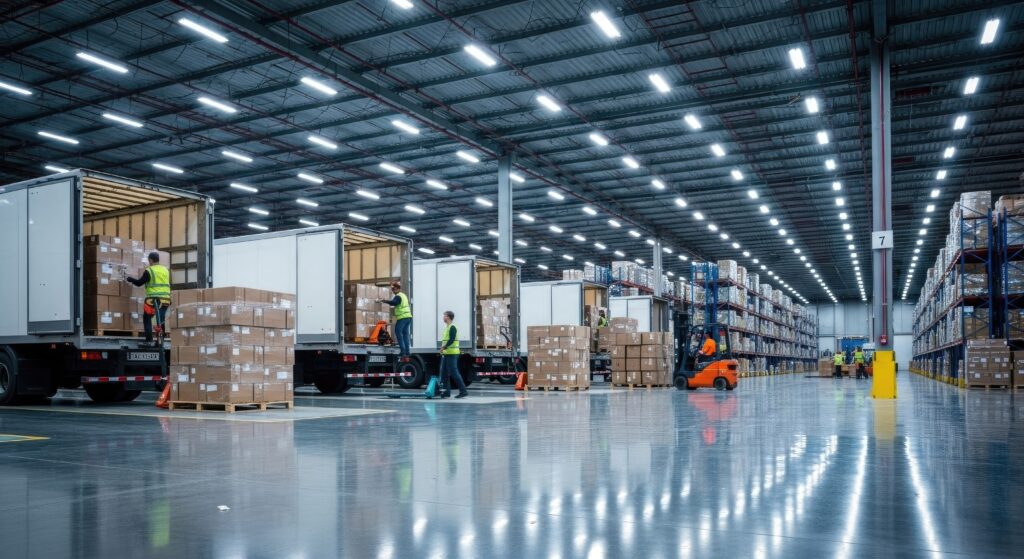
2. Smarter Warehouses Will Become the Standard
Warehouse operations are becoming increasingly intelligent.
Modern warehouses now use AI, robotics, and automation to improve inventory accuracy, speed up order fulfillment, and reduce repetitive manual work.
Rather than replacing employees, these technologies help warehouse teams work more efficiently while reducing operational errors.
For many businesses, smart warehouses will become an important part of future logistic growth.
3. Real-Time Supply Chain Visibility Will Be Essential
Customers expect accurate delivery updates, and businesses need complete visibility across their operations.
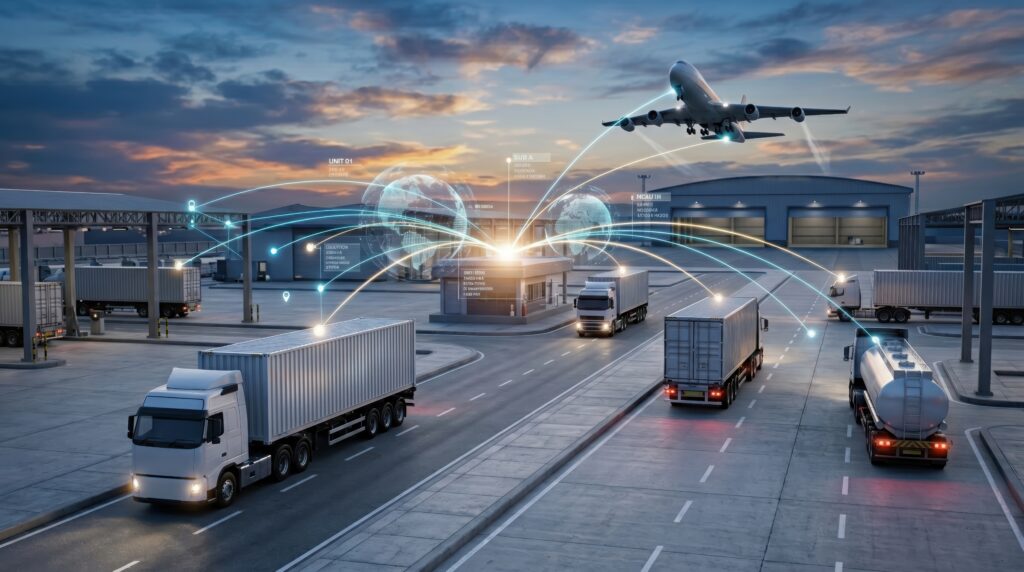
The future of logistics will depend on real-time data from warehouses, transportation systems, GPS devices, and IoT sensors.
This visibility allows businesses to identify delays early, improve communication, and make faster operational decisions.
4. Predictive Analytics Will Replace Reactive Planning
Many logistics decisions are still based on what happened yesterday.
AI is changing that.
Predictive analytics helps businesses forecast customer demand, inventory requirements, equipment maintenance, and transportation risks before problems occur.
This allows companies to plan ahead instead of constantly responding to disruptions.
5. Last-Mile Delivery Will Continue to Evolve
The final stage of delivery remains one of the most expensive parts of logistics.
Businesses are investing in AI-powered route optimization, automated dispatching, and real-time delivery tracking to improve efficiency.
As customer expectations continue to rise, faster and more accurate last-mile delivery will play a major role in the future of logistics.
6. Sustainability Will Drive Innovation
Reducing emissions is becoming both a business priority and a customer expectation.
Logistics companies are using AI to optimize routes, reduce fuel consumption, improve vehicle utilization, and eliminate unnecessary trips.
Smarter planning not only supports sustainability goals but also helps lower operating costs.
7. Data Will Become a Competitive Advantage
Every shipment, warehouse transaction, and customer order generates valuable information.
Businesses that know how to use this data will make better decisions than those relying on manual reporting.
The future of logistics belongs to companies that can turn operational data into practical business insights.
8. AI Agents Will Support Daily Operations
The next step in AI adoption is the rise of intelligent AI agents.
Unlike traditional software that only reports information, AI agents can monitor operations, recommend actions, and automate routine decisions.
For example, an AI agent can detect a delayed shipment, suggest an alternative route, update warehouse schedules, and notify customers without waiting for manual intervention.
This technology is expected to play an increasingly important role as the logistics industry continues to evolve.
9. Better System Integration Will Improve Efficiency
Many businesses still use disconnected software for transportation, inventory, warehousing, and customer service.
Future logistics operations will rely on connected platforms that allow information to move seamlessly across every department.
Better integration reduces duplicate work, improves visibility, and enables faster decision-making.
10. Continuous Innovation Will Shape the Industry
Technology in logistics is advancing rapidly.
Businesses that regularly review new tools, invest in employee training, and modernize their operations will be better positioned for long-term logistic growth.
The companies that adapt early will be more resilient when market conditions change.
How Businesses Can Prepare
Preparing for the future of logistics doesn’t mean adopting every new technology at once.
Start by identifying operational challenges that have the biggest impact on your business. It may be inventory accuracy, transportation planning, warehouse productivity, or delivery performance.
From there, invest in solutions that solve those problems while integrating with your existing systems.
Most importantly, view technology as a tool that supports your workforce. The best results come from combining experienced logistics professionals with intelligent systems that help them make better decisions.
Final Thoughts
The future of logistics will be defined by businesses that can adapt quickly, use data effectively, and embrace intelligent technologies that improve everyday operations.
From AI-powered decision-making and smart warehouses to predictive analytics and connected supply chains, these trends are changing how the logistics industry operates.
Companies that begin investing in these capabilities today will be better prepared for future logistic growth, stronger customer relationships, and more resilient supply chains.
FAQs
1. What is the future of logistics?
The future of logistics focuses on using AI, automation, data analytics, and connected technologies to improve efficiency, reduce costs, and build more resilient supply chains.
2. How is AI changing the logistics industry?
AI helps businesses improve forecasting, optimize transportation routes, automate warehouse operations, monitor inventory, and make faster operational decisions.
3. Why is logistic growth important for businesses?
Logistic growth enables businesses to improve operational efficiency, support increasing customer demand, reduce costs, and remain competitive in a rapidly evolving market.
4. What trend will have the biggest impact on logistics?
Artificial intelligence is expected to have the greatest long-term impact by improving decision-making, automation, warehouse management, transportation planning, and overall supply chain performance.