What Are AI Logistics Solutions? Benefits, Use Cases & Examples
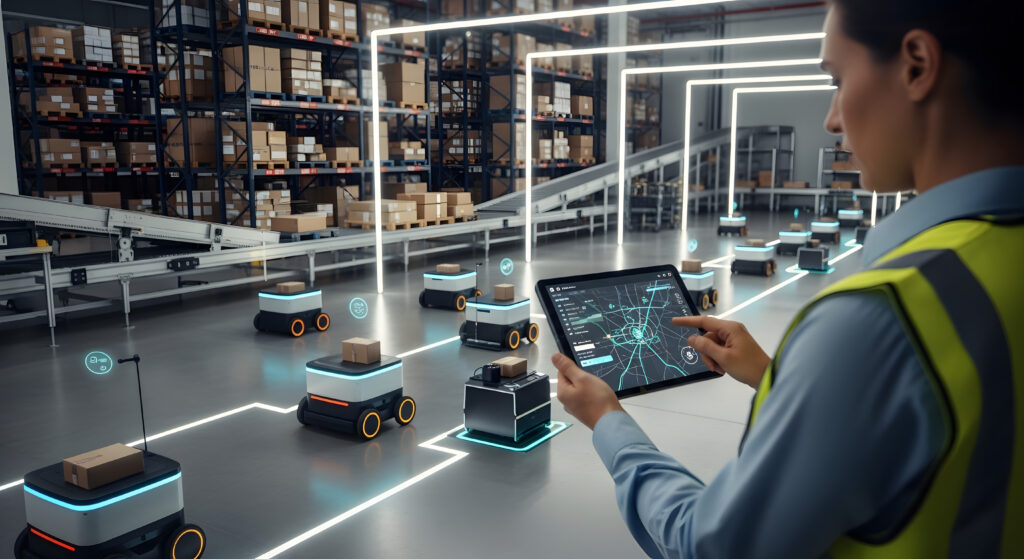
The logistics industry has always relied on speed, accuracy, and coordination. Today, those expectations are even higher. Customers want faster deliveries, businesses want lower operating costs, and supply chains have become more complex than ever. Managing all of this with traditional systems alone is becoming increasingly difficult.
This is why businesses are investing in AI logistics solutions. Instead of simply tracking shipments or recording inventory, these solutions analyze large volumes of operational data, identify patterns, and help logistics teams make better decisions in real time.
Whether it’s improving delivery planning, managing warehouse operations, or predicting inventory demand, AI logistics solutions are helping companies work smarter rather than harder.
In this guide, we’ll explain what AI logistics solutions are, how they work, their biggest benefits, and where they’re creating value across modern logistics operations.
What Are AI Logistics Solutions?
AI logistics solutions are software platforms and intelligent tools that use artificial intelligence to improve logistics processes. They combine technologies such as machine learning, predictive analytics, computer vision, and automation to help businesses make faster and more informed decisions.
Unlike traditional logistics software that mainly stores and displays data, AI can analyze that information and recommend the best course of action.
For example, an AI system might detect that demand for a product is increasing, recommend replenishing inventory sooner, and suggest the most efficient transportation route before delays occur.
The result is a more responsive and efficient logistics operation.
Why Businesses Are Adopting AI Logistics Solutions
Logistics teams manage thousands of decisions every day. They coordinate inventory, transportation, warehouses, suppliers, and customer deliveries while responding to changing conditions.
Manual planning makes this increasingly difficult.
A delayed shipment can affect warehouse schedules. Poor inventory planning can create stock shortages. Inefficient delivery routes increase fuel costs and reduce customer satisfaction.
This is where AI logistics solutions help. By analyzing live operational data, they identify problems early and provide recommendations before those problems affect the business.
Instead of spending hours reviewing reports, managers receive actionable insights almost instantly.
Key Benefits of AI Logistics Solutions
Smarter Decision-Making
One of the biggest advantages of AI logistics solutions is faster decision-making.
AI analyzes data from multiple sources at once, helping managers identify trends, detect risks, and respond quickly when conditions change.
Better Inventory Management
Inventory directly affects both customer service and operating costs.
Many AI logistics platforms monitor inventory movement in real time, predict future demand, and recommend replenishment before shortages occur. This reduces excess stock while improving product availability.
Improved Transportation Planning
Traffic, weather, and changing delivery schedules can disrupt transportation operations.
AI evaluates these variables continuously and recommends more efficient routes, helping businesses reduce delays and lower fuel costs.
Greater Operational Visibility
Modern logistics generates enormous amounts of data.
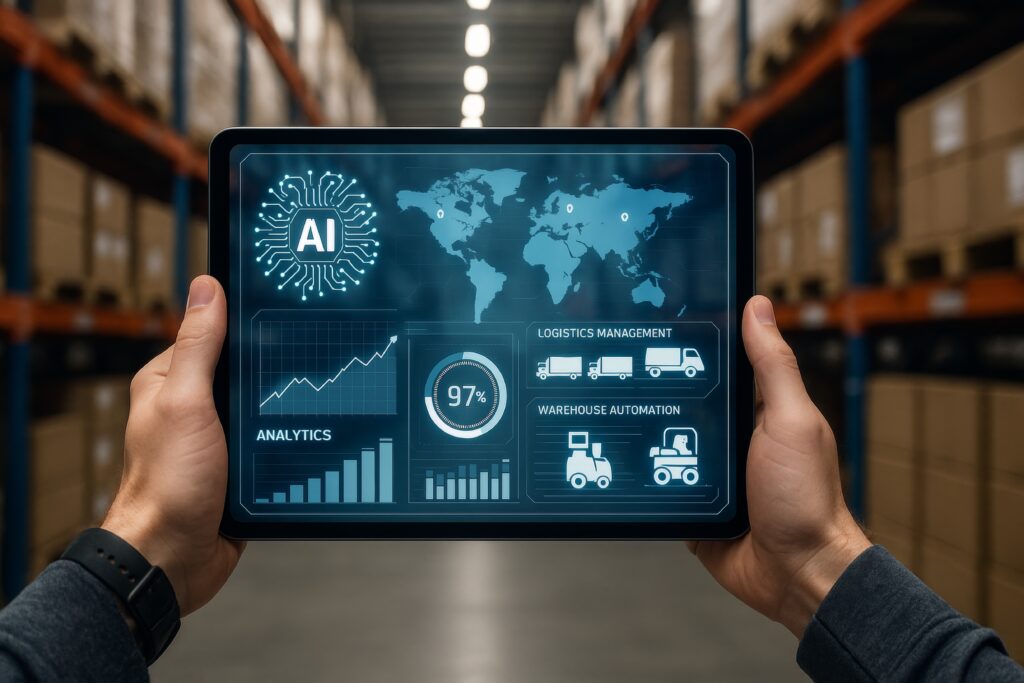
Artificial intelligence in logistics brings this information together into a single view, making it easier to monitor shipments, warehouse activity, inventory, and delivery performance across the supply chain.
Real-World Use Cases
The value of AI logistics solutions goes beyond theory. Businesses are already using them in practical ways across their operations.
Warehouse Management
AI helps warehouses improve inventory accuracy, optimize picking routes, and prioritize orders based on demand.
Rather than relying on fixed workflows, warehouse operations become more flexible and efficient.
Demand Forecasting
Predicting customer demand is one of the biggest challenges in logistics.
AI analyzes sales history, seasonal patterns, and market trends to improve forecasting, allowing businesses to prepare inventory before demand changes.
Transportation and Route Planning
AI evaluates delivery schedules, traffic conditions, vehicle availability, and customer priorities to recommend the most efficient delivery plans.
This improves delivery reliability while reducing transportation costs.
Customer Service
Many businesses now use AI logistics solutions to provide automatic shipment updates, answer routine customer questions, and notify customers about delivery changes without requiring manual support.
Choosing the Right AI Logistics Solution
Not every solution offers the same capabilities.
When evaluating AI logistics solutions, businesses should look for software that integrates with existing warehouse management, transportation management, and ERP systems.
It should also provide:
- Real-time visibility across operations
- Predictive analytics and forecasting
- Workflow automation
- Easy-to-use dashboards
- Scalable features that support future business growth
The right solution should solve operational challenges, not create additional complexity.
Common Challenges
Like any technology investment, implementing AI requires planning.
The biggest challenge is data quality. AI depends on accurate operational information to generate reliable recommendations.
Integration is another consideration. Businesses should ensure new AI tools work smoothly with existing software rather than replacing systems that already perform well.
Finally, employees should receive proper training so they understand how AI supports their work and how to use its recommendations effectively.
The Future of AI Logistics Solutions
As AI technology continues to evolve, AI logistics solutions will become even more capable.
Future platforms will do more than automate routine tasks. They’ll predict supply chain disruptions, recommend corrective actions, optimize warehouse operations automatically, and help businesses make strategic decisions with greater confidence.
At the same time, advances in artificial intelligence in logistics will make these technologies more accessible to businesses of all sizes, not just large enterprises.
Final Thoughts
Modern logistics requires more than visibility. It requires the ability to make fast, informed decisions that keep operations running smoothly.
That’s why AI logistics solutions are becoming an essential investment for businesses looking to improve efficiency, reduce costs, and strengthen customer service.
From inventory planning and warehouse operations to transportation and demand forecasting, AI logistics is helping companies build more agile and resilient supply chains. Businesses that begin adopting these technologies today will be better prepared for the challenges and opportunities of tomorrow.
FAQs
1. What are AI logistics solutions?
AI logistics solutions are software platforms that use artificial intelligence to improve logistics operations through automation, predictive analytics, and real-time decision-making.
2. How do AI logistics solutions improve business operations?
They help businesses optimize inventory, improve transportation planning, automate workflows, reduce operating costs, and provide greater visibility across logistics operations.
3. Where is artificial intelligence in logistics used?
Artificial intelligence in logistics is used in warehouse management, demand forecasting, route optimization, inventory management, shipment tracking, and customer service.
4. Are AI logistics solutions suitable for small businesses?
Yes. Many AI logistics solutions are cloud-based and scalable, allowing small and medium-sized businesses to improve logistics operations without replacing their existing systems.