How AI Supply Chain Management Transforms Logistics Operations
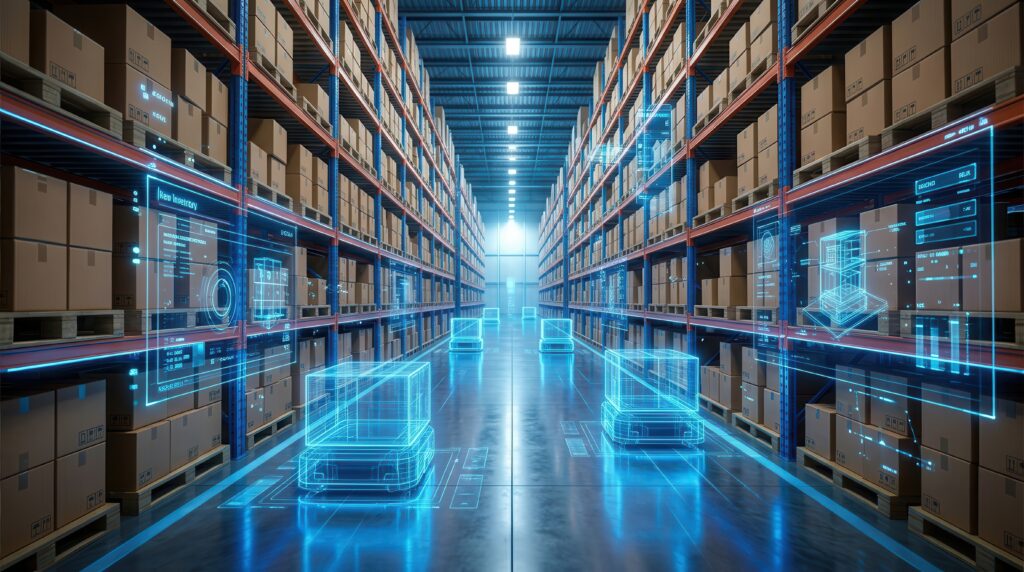
Supply chains have become more complex than ever. Businesses must balance customer demand, inventory levels, transportation, supplier performance, and rising operating costs, often all at the same time. A single disruption can delay deliveries, increase expenses, and impact customer satisfaction.
Many companies already use digital tools to manage these operations, but traditional systems mainly tell you what has happened. They don’t always help you predict what will happen next.
That’s why businesses are investing in AI supply chain management. By analyzing large amounts of data in real time, AI helps companies make faster decisions, reduce waste, and improve the flow of goods across the entire supply chain.
What Is AI Supply Chain Management?
AI supply chain management uses artificial intelligence to improve planning, forecasting, inventory control, transportation, and warehouse operations.
Instead of relying only on historical reports or manual planning, AI analyzes real-time data to identify trends, predict demand, and recommend the best course of action.
For example, AI can identify products that are likely to run out of stock, predict delivery delays, or recommend a more efficient transportation route before problems affect customers.
Rather than replacing logistics teams, AI helps them make more informed decisions every day.
Why Traditional Supply Chain Management Falls Short
Managing a modern supply chain involves hundreds of moving parts. Inventory levels change daily, customer demand fluctuates, suppliers experience delays, and transportation costs continue to rise.
Traditional software records this information, but it often depends on manual analysis before decisions can be made.
This slows response times and increases the risk of costly mistakes.
With AI supply chain management, businesses can detect issues earlier and respond before they affect operations. Instead of reacting to problems, teams can plan ahead using real-time insights.
How AI Is Improving Supply Chain Management
Smarter Demand Forecasting
One of the biggest challenges in logistics is knowing how much inventory will be needed.
Using historical sales, seasonal trends, and current market data, AI supply chain management helps businesses forecast demand more accurately.
Better forecasts reduce both stock shortages and excess inventory.
Better AI Inventory Management
Inventory is one of the largest investments for many businesses.
AI inventory management continuously monitors stock levels, identifies slow-moving products, and recommends replenishment before shortages occur.
This helps businesses improve inventory accuracy while reducing storage costs.
More Efficient Transportation
AI evaluates delivery schedules, traffic conditions, weather, and carrier performance to improve transportation planning.
Instead of relying on fixed routes, logistics teams can make adjustments based on real-time conditions, improving delivery reliability while lowering transportation costs.
Improved Warehouse Operations
AI also supports warehouse teams by improving picking routes, prioritizing orders, and identifying opportunities to optimize warehouse space.
These improvements help businesses process more orders with greater accuracy.
Real-World Applications
Businesses across many industries are already using AI supply chain management to improve daily operations.
Retail companies use AI to predict customer demand and prepare inventory before peak shopping seasons.
Manufacturers use AI to ensure production materials are available without carrying unnecessary stock.
Third-party logistics providers improve shipment planning and warehouse efficiency by using AI to analyze operational data in real time.
Regardless of the industry, the goal is the same: build a more efficient and responsive supply chain.

Benefits of AI Supply Chain Management
Companies investing in AI supply chain management often experience measurable improvements.
Some of the biggest benefits include:
- Better demand forecasting
- Improved AI inventory management
- Faster operational decisions
- Lower inventory and transportation costs
- Better visibility across the supply chain
- Improved customer service
- Greater operational efficiency
While results vary by business, AI helps logistics teams spend less time reacting to problems and more time improving operations.
What to Consider Before Implementing AI
AI is most effective when businesses have accurate and reliable data.
Before adopting AI supply chain management, companies should review the quality of their inventory, warehouse, and transportation data. Clean data allows AI to generate more accurate recommendations.
It’s also important to choose solutions that integrate with existing ERP, warehouse, and transportation systems rather than replacing them completely.
Finally, businesses should start with one area that offers the greatest opportunity for improvement, such as demand forecasting or AI inventory management, before expanding AI across the entire operation.
The Future of AI in Supply Chains
As AI technology continues to advance, AI supply chain management will become even more intelligent.
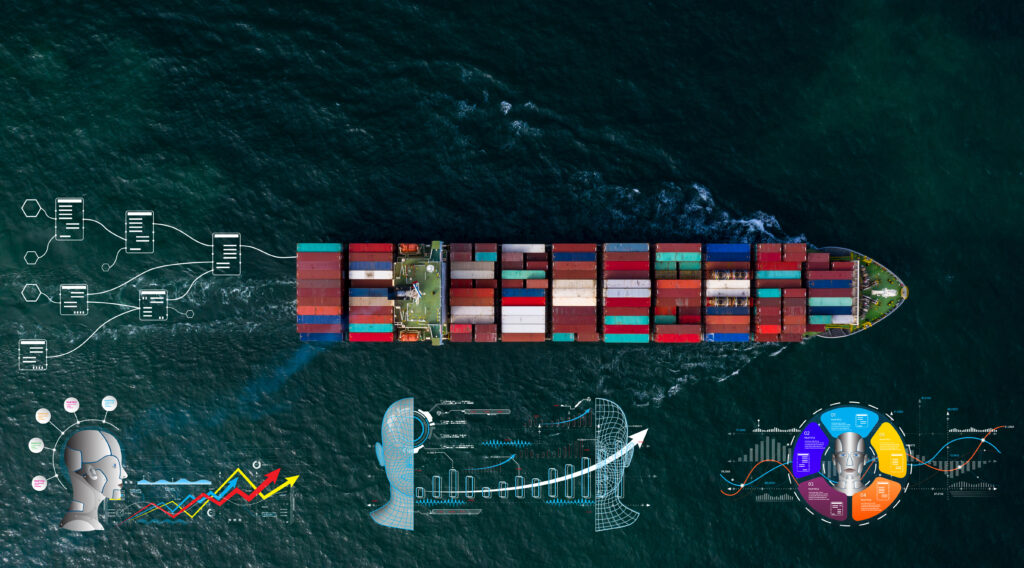
Future systems will automatically identify risks, recommend inventory adjustments, optimize transportation plans, and support faster decision-making across every stage of the supply chain.
Businesses that adopt AI today will be better prepared to manage changing customer expectations, supply chain disruptions, and future growth.
Final Thoughts
Modern logistics depends on making the right decisions at the right time. AI supply chain management gives businesses the tools to improve forecasting, optimize inventory, strengthen warehouse operations, and increase visibility across the supply chain.
Whether your goal is reducing costs, improving delivery performance, or building a more resilient operation, AI offers practical solutions that support long-term growth. As the technology continues to evolve, businesses that invest early will be better positioned to compete in an increasingly data-driven logistics industry.
FAQs
1. What is AI supply chain management?
AI supply chain management uses artificial intelligence to improve forecasting, inventory control, transportation planning, and overall supply chain operations through data-driven insights.
2. How does AI inventory management work?
AI inventory management analyzes inventory movement, demand trends, and sales data to recommend replenishment, reduce stock shortages, and improve inventory accuracy.
3. What are the benefits of AI supply chain management?
The main benefits include better forecasting, improved inventory management, lower operating costs, faster decision-making, increased visibility, and a more efficient supply chain.
4. Can small businesses benefit from AI supply chain management?
Yes. Many AI-powered supply chain solutions are scalable, allowing small and medium-sized businesses to improve operations without replacing their existing systems.