AI Warehouse Management: Benefits, Use Cases & Best Software
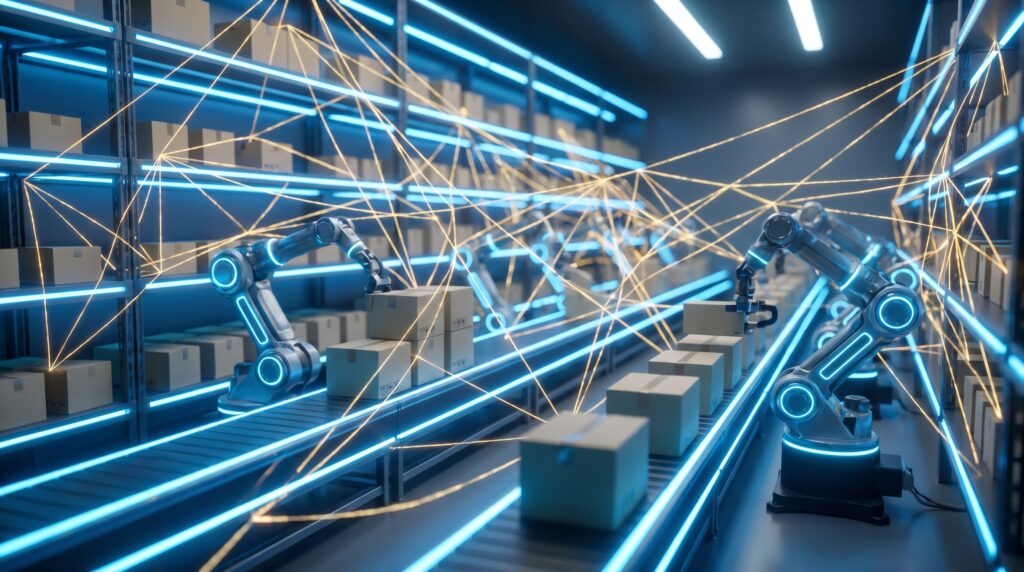
Walk into a modern warehouse today, and you’ll notice it’s very different from what it was a decade ago. Orders move faster, customer expectations are higher, and businesses have less room for mistakes. A single inventory error or delayed shipment can affect customer satisfaction, increase costs, and disrupt the entire supply chain.
This is why warehouse management has become a strategic priority rather than just an operational task. Companies are no longer looking for software that simply tracks inventory. They want intelligent systems that help teams work faster, reduce errors, and make better decisions.
That’s where AI warehouse management comes in.
By combining artificial intelligence with modern warehouse systems, businesses can improve inventory accuracy, optimize workflows, and respond quickly to changing demand. In this guide, we’ll explore how AI is transforming warehouse management, the benefits it offers, practical use cases, and what to look for when choosing a solution.
What Is AI Warehouse Management?
Traditional warehouse management systems are designed to record and organize warehouse activities. They tell you what inventory is available, where it’s stored, and which orders need to be processed.
AI warehouse management goes a step further.
Instead of simply storing information, AI analyzes warehouse data to identify patterns, predict future demand, and recommend actions that improve efficiency.
For example, rather than waiting until inventory runs low, AI can forecast when products should be reordered based on sales trends and seasonal demand. It can also identify slow-moving inventory before it becomes a costly problem.
In simple terms, AI helps businesses move from reacting to problems to preventing them.
Why Warehouse Management Needs AI
Managing a warehouse isn’t just about storing products. Every day, warehouse teams coordinate receiving, inventory checks, picking, packing, shipping, and returns. When order volumes increase, these processes become more difficult to manage manually.
Small issues can quickly grow into expensive problems.
An item stored in the wrong location can slow down picking. Incorrect inventory records can lead to stockouts. Poor labor planning can create delays during peak periods.
This is why businesses are investing in AI in warehouse operations. AI doesn’t replace warehouse teams. Instead, it helps them make faster, more informed decisions using real-time data.
The result is better warehouse management, higher productivity, and fewer operational mistakes.
Key Benefits of AI Warehouse Management
Better Inventory Accuracy
Accurate inventory is the foundation of effective warehouse management.
AI continuously monitors stock movement and identifies unusual patterns that could indicate counting errors, misplaced inventory, or unexpected demand. This helps businesses maintain reliable inventory records and reduces the risk of stock shortages.
Faster Order Fulfillment
Picking and packing are some of the most time-consuming warehouse activities.
AI can recommend the most efficient picking routes based on warehouse layout and current order priorities. This reduces unnecessary travel, shortens fulfillment times, and helps employees process more orders during each shift.
Smarter Labor Planning
Warehouse workloads change throughout the day and across different seasons.
Instead of relying only on historical schedules, AI warehouse management can forecast order volumes and recommend staffing levels based on expected demand. This helps managers allocate resources more effectively without overstaffing or understaffing.
Improved Decision-Making
One of the biggest advantages of AI is its ability to turn large amounts of warehouse data into practical insights.
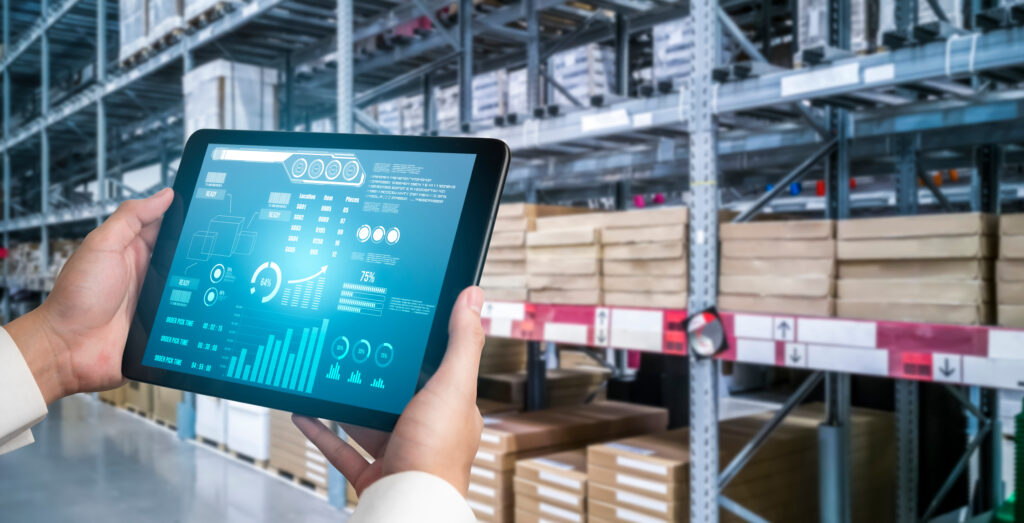
Rather than reviewing multiple reports, managers can quickly identify inventory issues, monitor warehouse performance, and make informed decisions that improve overall warehouse management.
Where Businesses Are Using AI Today
The use of AI in warehouse operations is growing across many industries because the challenges are often the same: improving speed, reducing errors, and making better use of available space.
For example, retailers use AI to prepare for seasonal demand spikes and ensure popular products are always available. Manufacturers rely on AI to maintain inventory levels for production without tying up unnecessary capital in excess stock.
Third-party logistics providers use AI to manage inventory for multiple clients while improving order accuracy and warehouse productivity. Even food and pharmaceutical companies are adopting AI to monitor storage conditions and improve inventory traceability.
In each case, the goal is the same: stronger warehouse management supported by better data and smarter decisions.
How to Choose the Right AI Warehouse Management Software
Not every AI solution is the right fit for every business. The best software should solve your biggest operational challenges without making day-to-day processes more complicated.
When comparing solutions, look for features such as:
- Real-time inventory tracking
- Demand forecasting powered by AI
- Barcode and RFID integration
- Automated task prioritization
- Performance dashboards and reporting
- Easy integration with your ERP and warehouse management systems
- Cloud-based access for better scalability
It’s also worth considering how easy the software is to use. A system with powerful features won’t deliver value if employees find it difficult to adopt.
Common Mistakes to Avoid
Implementing AI is not just about installing new software. Successful warehouse management depends on having the right processes in place first.
One common mistake is trying to automate every warehouse activity at once. A better approach is to start with one area, such as inventory management or order picking, measure the results, and then expand gradually.
Another mistake is relying on poor-quality data. AI performs best when inventory records, product information, and operational data are accurate. If the data is unreliable, the recommendations will be too.
Finally, don’t overlook employee training. AI should support warehouse teams, not replace them. When employees understand how the system works and why it’s being introduced, adoption becomes much smoother.
The Future of Warehouse Management
As AI technology continues to evolve, warehouse management will become even more intelligent.
Future systems won’t just report what’s happening inside a warehouse. They’ll predict demand changes, identify bottlenecks before they occur, recommend staffing adjustments, and automatically optimize inventory locations based on purchasing trends.
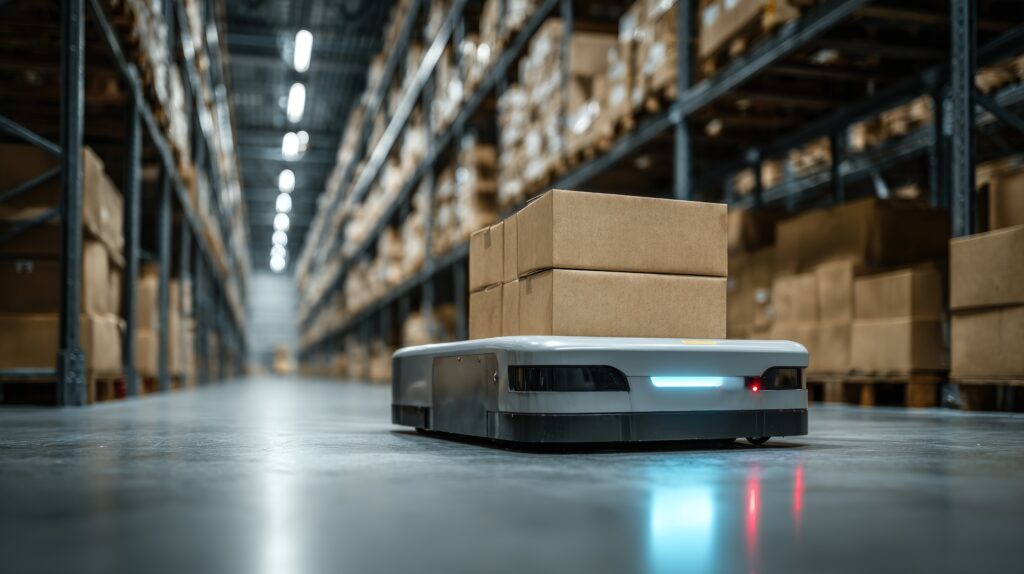
Robotics will also play a larger role alongside AI in warehouse operations. AI will coordinate autonomous mobile robots, automated storage systems, and picking equipment to improve productivity while reducing manual work.
The goal isn’t a warehouse that runs without people. It’s a warehouse where technology handles repetitive decisions so employees can focus on solving problems and improving operations.
Final Thoughts
Modern warehouses are expected to do more than simply store products. They need to process orders quickly, maintain accurate inventory, and adapt to changing customer demand without increasing operating costs.
That’s why businesses are investing in AI warehouse management. By combining artificial intelligence with smarter warehouse management practices, organizations can improve inventory accuracy, speed up fulfillment, make better decisions, and increase overall warehouse performance.
Whether you’re operating a small logistics warehouse or managing multiple distribution centers, adopting AI doesn’t have to happen all at once. Starting with the right tools and focusing on your biggest operational challenges can deliver measurable improvements while preparing your business for future growth.
FAQs
1. What is AI warehouse management?
AI warehouse management uses artificial intelligence to improve warehouse management by optimizing inventory, forecasting demand, automating workflows, and providing real-time operational insights.
2. How does AI improve warehouse management?
AI improves warehouse management by increasing inventory accuracy, optimizing picking routes, forecasting demand, reducing manual work, and helping managers make faster, data-driven decisions.
3. What features should businesses look for in AI warehouse management software?
Look for real-time inventory tracking, demand forecasting, automation tools, analytics dashboards, system integrations, and scalability that supports future business growth.
4. Is AI warehouse management suitable for small and medium-sized businesses?
Yes. Many AI-powered warehouse solutions are scalable, allowing businesses to improve warehouse management gradually without replacing their existing systems.