
Warehouse Automation vs Traditional Warehousing meaning
The warehouse has evolved from a simple storage facility into a critical driver of supply chain performance. As customer expectations rise and fulfillment timelines shrink, businesses are rethinking how they manage inventory, labor, and operations.
One of the biggest decisions companies face today is whether to continue relying on a traditional warehouse or invest in warehouse automation. While conventional methods have supported businesses for decades, modern technologies are transforming how warehouses operate, making them faster, more accurate, and more scalable.
Choosing the right approach depends on several factors, including order volumes, business goals, available resources, and long-term growth plans. This guide compares both to help you determine which solution best fits your operations.
What Is Warehouse Automation?
Warehouse automation refers to the use of technology, software, and intelligent systems to streamline warehouse operations with minimal manual intervention. Instead of relying entirely on workers for repetitive tasks, automated systems improve efficiency by handling inventory movement, picking, sorting, storage, and order fulfillment.
Modern warehouse automation often combines several technologies, including:
- Warehouse Management Systems (WMS)
- Automated Storage and Retrieval Systems (AS/RS)
- Conveyor and sortation systems
- Barcode and RFID tracking
- AI-powered inventory management
- Warehouse robotics
Together, these technologies reduce manual work while improving speed, visibility, and operational accuracy.
What Is a Traditional Warehouse?
A traditional warehouse primarily depends on manual labor for daily operations. Employees receive goods, organize inventory, pick orders, pack shipments, and update inventory records using paper-based processes or basic digital tools.
Traditional warehousing stays common among smaller businesses and organizations with relatively stable inventory levels or lower order volumes.
Although manual operations offer flexibility, they often become difficult to manage as businesses grow or customer expectations increase.
Warehouse Automation vs Traditional Warehouse: Key Differences
Understanding how these two approaches compare helps businesses make informed investment decisions.
1. Operational Efficiency
One of the biggest advantages of warehouse automation is its ability to perform repetitive tasks consistently throughout the day. Automated systems reduce unnecessary movement, optimize storage locations, and accelerate order processing.
A traditional warehouse, on the other hand, relies heavily on human productivity. Performance can vary depending on staffing levels, workload, and seasonal demand.
As order volumes increase, manual operations often struggle to maintain consistent throughput.
2. Accuracy
Inventory accuracy directly impacts customer satisfaction and operational costs.
With warehouse automation, barcode scanning, RFID technology, and automated inventory tracking significantly reduce human error.
Manual processes in a traditional warehouse increase the likelihood of incorrect picks, misplaced inventory, and stock discrepancies, especially during busy periods.
3. Labor Requirements
Labor shortages continue to challenge warehouses worldwide.
By implementing warehouse automation, businesses can reduce dependence on manual labor for repetitive activities while allowing employees to focus on higher-value responsibilities such as quality control, exception handling, and customer service.
Traditional operations require larger workforces to handle growing demand, making labor availability a critical business risk.
4. Scalability
As businesses expand, warehouse operations become increasingly complex.
Warehouse automation provides the flexibility to handle higher order volumes without increasing labor costs. Automated systems can support business growth while maintaining operational consistency.
A traditional warehouse often requires hiring additional staff and reorganizing workflows to accommodate increased demand, which may reduce efficiency over time.

The Role of Warehouse Robotics
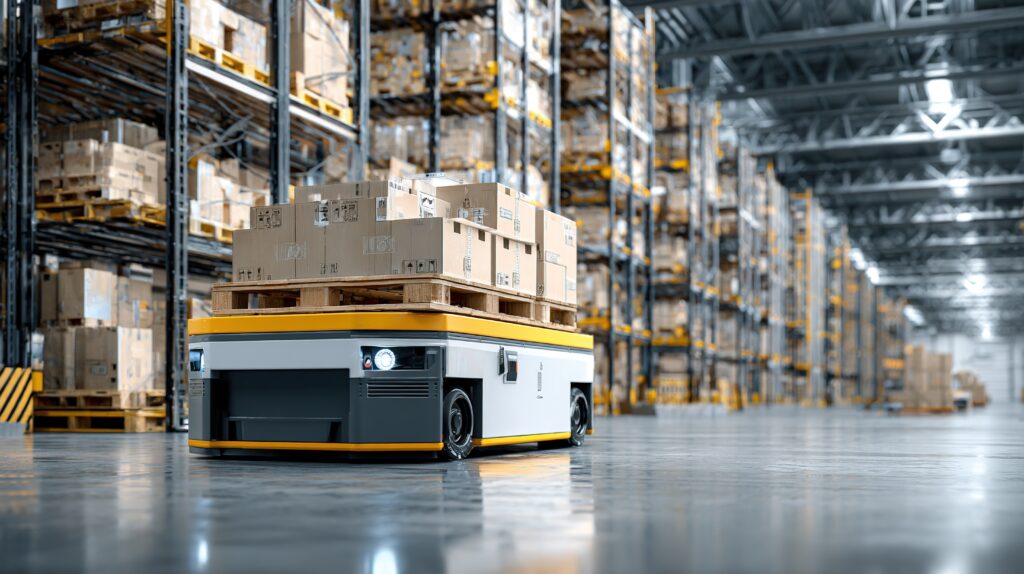
One of the most exciting developments in warehouse automation is the adoption of warehouse robotics.
Rather than replacing workers entirely, robots are designed to assist employees by handling physically demanding or repetitive tasks.
Common applications of warehouse robotics include:
- Autonomous mobile robots transporting inventory
- Robotic picking systems
- Automated pallet movement
- Inventory scanning
- Sorting and packaging assistance
By working alongside employees, warehouse robotics improve productivity while reducing workplace fatigue and operational delays.
As robotic technology continues to advance, businesses can automate increasingly complex warehouse processes without sacrificing flexibility.
Benefits of Warehouse Automation
Many organizations invest in warehouse automation because it delivers measurable improvements across warehouse operations.
Faster Order Fulfillment
Automated workflows significantly reduce picking and packing times, allowing businesses to process more orders with greater consistency.
Improved Inventory Visibility
Real-time inventory tracking helps businesses monitor stock levels accurately, reducing both overstocking and stockouts.
Lower Operating Costs
Although implementation requires upfront investment, warehouse automation can reduce long-term labor expenses, minimize costly errors, and improve overall operational efficiency.
Better Space Utilization
Automated storage systems maximize vertical space and improve warehouse layouts, allowing businesses to store more inventory within the same footprint.
Increased Customer Satisfaction
Accurate inventory management and faster shipping contribute to better customer experiences and improved service levels.
Challenges of Warehouse Automation
High Initial Investment
Automation technologies, software integration, and equipment require substantial upfront capital, particularly for large distribution centers.
System Integration
Automated solutions must integrate with existing warehouse management systems, ERP platforms, and supply chain software. Careful planning is essential to avoid operational disruptions.
Employee Training
Successful automation depends on employees understanding how to operate, monitor, and maintain new systems. Workforce training plays a critical role in long-term success.
Maintenance Requirements
Automated equipment requires ongoing monitoring, software updates, and preventive maintenance to ensure reliable performance.

Benefits of a Traditional Warehouse
Despite technological advancements, a traditional warehouse still offers advantages for certain businesses.
Lower Startup Costs
Manual operations typically require less capital investment, making them suitable for startups and small businesses with limited budgets.
Operational Flexibility
Employees can quickly adapt to changing workflows, unique product handling requirements, or unexpected operational situations without extensive system modifications.
Simpler Implementation
Businesses can begin operations with basic equipment and gradually improve processes as demand grows.
For organizations with stable inventory volumes and predictable workflows, a traditional warehouse may continue to meet operational requirements effectively.
Challenges of Traditional Warehousing
Manual warehouse operations also present several limitations that become more noticeable as businesses scale.
Common challenges include: include:
- Higher labor dependency
- Increased risk of human error
- Slower order fulfillment
- Limited visibility into inventory
- Rising operational costs during peak seasons
- Difficulty scaling efficiently
These challenges often encourage growing businesses to explore warehouse automation as a long-term solution.
How to Choose the Right Warehouse Strategy
Businesses should evaluate several factors before planning.
Current Order Volume
Organizations processing thousands of orders daily often benefit from automation, while lower-volume operations may continue performing well with manual processes.
Business Growth Plans
If rapid expansion is part of your strategy, investing in warehouse automation early can prevent operational bottlenecks in the future.
Budget
Automation offers long-term savings but requires upfront investment. Businesses should compare implementation costs against projected operational improvements.
Workforce Availability
Companies facing labor shortages or high employee turnover may gain significant value from automation technologies and warehouse robotics.
Product Complexity
Some industries require specialized handling that still benefits from experienced warehouse staff working alongside automated systems.
Final Thoughts
The choice between warehouse automation and traditional warehousing depends on your operational goals, growth strategy, and available resources. For businesses with rapid growth, increasing order volumes, or labor challenges, automation offers a scalable path toward higher efficiency, accuracy, and long-term cost savings with warehouse robotics further enhancing productivity by supporting employees and streamlining repetitive tasks.
Meanwhile, traditional warehousing continues to provide flexibility and affordability for businesses with lower operational complexity or limited investment capacity. By carefully balancing technology with operational expertise, businesses can build warehouse operations that remain efficient, resilient, and ready for long-term growth.