How AI Logistics Software Is Transforming Supply Chain Operations
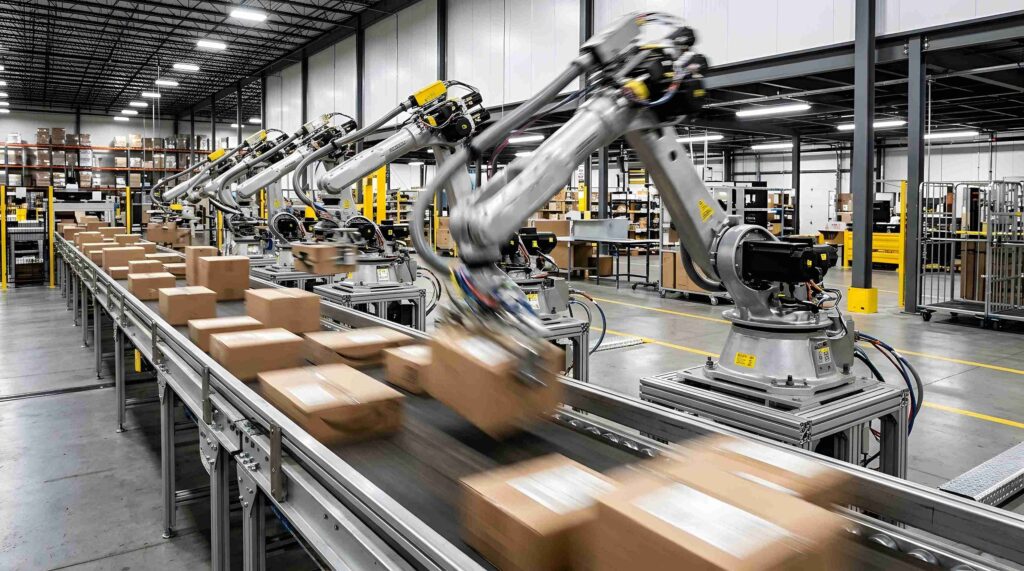
Supply chains have become more complex than ever. Businesses must manage inventory, transportation, warehouses, suppliers, and customer expectations while keeping operations efficient and costs under control. Even small disruptions can lead to delayed deliveries, higher expenses, and dissatisfied customers.
Traditional logistics software has helped businesses digitize operations, but today’s fast-moving supply chains require more than automation. Companies need systems that can analyze data, predict disruptions, and recommend the best actions in real time.
This is where AI logistics software is making a significant impact. By combining artificial intelligence, predictive analytics, machine learning, and intelligent automation, businesses can improve decision-making, increase operational visibility, and optimize every stage of the supply chain.
What Is AI Logistics Software?
AI logistics software refers to intelligent software platforms that use artificial intelligence to automate, optimize, and improve logistics and supply chain processes.
Unlike traditional logistics systems that rely mainly on predefined rules and historical reports, AI logistics software continuously analyzes real-time operational data to identify patterns, predict future outcomes, and recommend the most effective actions.
Businesses use AI logistics software to improve:
- Transportation planning
- Inventory management
- Warehouse operations
- Route optimization
- Demand forecasting
- Fleet management
- Shipment tracking
- Supplier coordination
The goal is to create faster, more accurate, and more efficient supply chain operations.
Why Traditional Logistics Software Is No Longer Enough
Many organizations already use transportation management systems (TMS), warehouse management systems (WMS), and enterprise resource planning (ERP) software.
While these platforms help organize information, they often depend on manual planning and reactive decision-making.
Modern supply chains require systems that can:
- Detect disruptions early
- Analyze changing demand
- Recommend corrective actions
- Optimize operations automatically
- Support real-time decision-making
This is why businesses are increasingly adopting AI logistics software.
Instead of simply storing operational data, AI helps organizations turn that data into actionable insights.
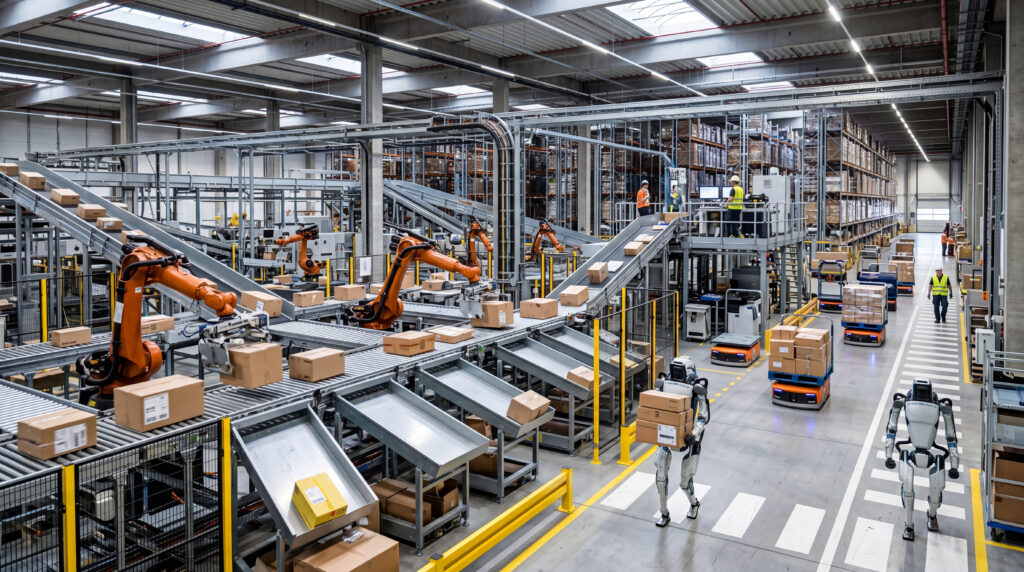
Key Features of AI Logistics Software
Modern AI logistics software includes a wide range of intelligent capabilities.
Predictive Analytics
AI analyzes historical and live operational data to predict demand, shipment delays, inventory shortages, and equipment failures before they occur.
This allows businesses to respond proactively instead of reacting after problems arise.
Intelligent Route Optimization
Transportation is one of the largest logistics expenses.
AI logistics software evaluates traffic conditions, weather, fuel costs, delivery priorities, and road closures to recommend the most efficient delivery routes.
The result is faster deliveries and lower transportation costs.
Inventory Optimization
Maintaining the right inventory levels is essential for efficient supply chain operations.
AI continuously monitors inventory movement and predicts replenishment requirements using real-time demand data.
This reduces both overstocking and stock shortages.
Real-Time Visibility
Modern logistics generates enormous amounts of operational data.
AI logistics software brings this information together into a centralized dashboard, allowing businesses to monitor shipments, warehouse activity, vehicle locations, and inventory levels in real time.
The Role of AI Agents in Logistics
One of the biggest innovations in modern logistics technology is the rise of AI agents in logistics.
Unlike traditional automation, AI agents can analyze situations, make decisions, and complete tasks with minimal human intervention.
For example, AI agents in logistics can:
- Monitor shipment progress
- Detect delivery delays
- Reassign transportation routes
- Coordinate warehouse activities
- Notify customers automatically
- Recommend inventory replenishment
Rather than waiting for human input, these intelligent systems continuously optimize logistics operations as conditions change.
How Generative AI Logistics Is Changing Decision-Making
Another emerging technology is generative AI logistics.
Generative AI helps logistics teams interact with complex operational data using natural language.
Instead of manually reviewing reports, managers can ask questions such as:
- Which shipments are currently delayed?
- What caused inventory shortages this week?
- Which carriers have the best on-time performance?
- Where can transportation costs be reduced?
Generative AI logistics quickly analyzes operational data and delivers clear, actionable insights that support faster business decisions.
It can also generate reports, summarize operational performance, assist customer service teams, and improve internal communication.
Benefits of AI Logistics Software
Businesses implementing AI logistics software are experiencing improvements across multiple operational areas.
Better Decision-Making
AI provides real-time recommendations based on live operational data rather than relying only on historical reports.
Improved Operational Efficiency
Automating repetitive tasks allows logistics teams to focus on planning, customer service, and strategic improvements.
Lower Operating Costs
Optimized transportation routes, improved inventory management, and better resource allocation reduce overall logistics expenses.
Increased Supply Chain Visibility
Businesses gain a complete view of inventory, shipments, warehouses, and transportation activities.
This enables faster responses to operational disruptions.
Improved Customer Experience
Accurate delivery estimates, proactive communication, and faster order fulfillment contribute to higher customer satisfaction.
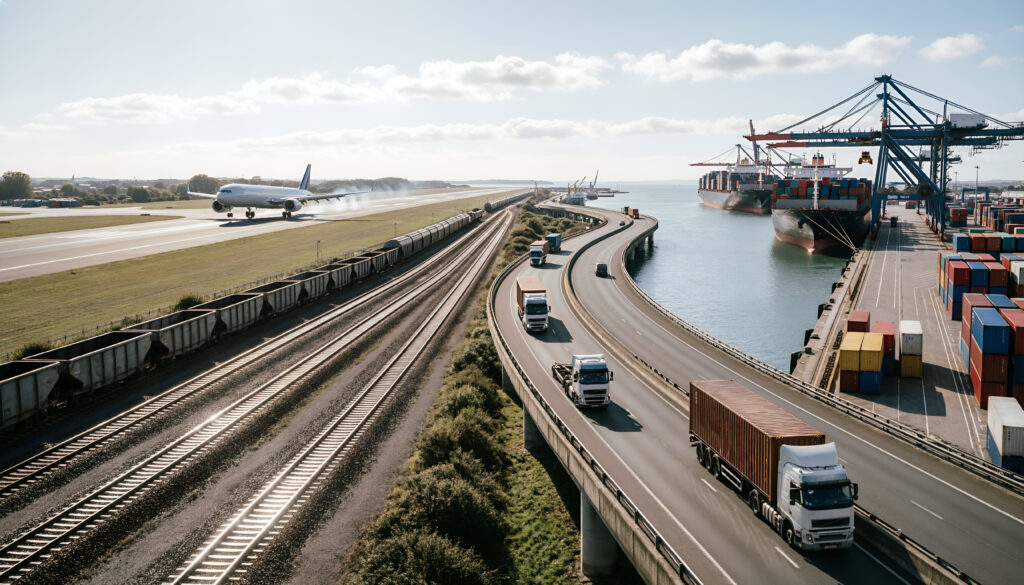
Real-World Applications of AI Logistics Software
Organizations across industries are already using AI logistics software to improve supply chain performance.
Transportation Management
AI optimizes delivery schedules, carrier selection, and route planning while improving fleet utilization.
Warehouse Operations
AI improves inventory placement, warehouse workflows, order picking, and automated storage systems.
Demand Forecasting
Businesses use AI to predict future demand more accurately, helping reduce inventory costs and improve product availability.
Supplier Management
AI evaluates supplier performance, delivery reliability, and operational risks to support better sourcing decisions.
Customer Service
AI-powered assistants answer shipment inquiries, provide tracking updates, and automate routine customer interactions.
Challenges of Implementing AI Logistics Software
Although the benefits are significant, successful implementation requires careful planning.
Data Quality
AI depends on clean, accurate, and consistent operational data.
Poor data quality limits prediction accuracy and automation effectiveness.
System Integration
Many organizations operate multiple logistics platforms.
Integrating AI logistics software with ERP systems, warehouse management software, transportation management systems, and CRM platforms is essential for generating accurate insights.
Initial Investment
Deploying AI-powered software requires investment in technology, infrastructure, and employee training.
Organizations should evaluate long-term operational savings alongside implementation costs.
Workforce Adoption
Employees should understand how AI supports daily operations.
Training logistics teams encourages successful adoption while maximizing the value of intelligent software.
How to Successfully Adopt AI Logistics Software
Businesses should take a phased approach when implementing AI logistics software.
A practical roadmap includes:
- Identify operational challenges.
- Define measurable business goals.
- Ensure high-quality operational data.
- Integrate AI with existing systems.
- Train employees.
- Continuously monitor performance.
Starting with one business function, such as transportation or inventory management, allows organizations to demonstrate measurable value before expanding AI across the entire supply chain.
The Future of AI Logistics Software
The future of AI logistics software will focus on greater automation, faster decision-making, and intelligent collaboration between humans and AI.
As AI agents in logistics become more capable, they will independently coordinate transportation, inventory, warehouse operations, and customer communications.
At the same time, generative AI logistics will simplify access to operational insights by allowing managers to interact with logistics systems using natural language instead of manually reviewing dashboards.
Together, these technologies will help businesses build smarter, more agile, and more resilient supply chains.
Final Thoughts
Modern supply chains require more than traditional software. Businesses need intelligent systems that can analyze data, predict disruptions, and optimize operations in real time.
AI logistics software enables organizations to improve efficiency, reduce costs, strengthen visibility, and make better operational decisions. Combined with innovations like AI agents in logistics and generative AI logistics, businesses can build supply chains that are faster, more responsive, and better prepared for future challenges.
Companies that invest in AI-powered logistics technology today will be well positioned to improve performance, enhance customer satisfaction, and maintain a competitive advantage in an increasingly complex logistics environment.
FAQs
1. What is AI logistics software?
AI logistics software uses artificial intelligence, machine learning, and predictive analytics to optimize transportation, warehousing, inventory management, and other supply chain operations.
2. What are AI agents in logistics?
AI agents in logistics are intelligent systems that can monitor operations, make decisions, automate workflows, and respond to changing supply chain conditions with minimal human intervention.
3. How does generative AI logistics help businesses?
Generative AI logistics helps businesses analyze operational data, generate reports, answer logistics-related questions, summarize performance, and support faster decision-making using natural language.
4. What are the main benefits of AI logistics software?
The key benefits include improved operational efficiency, better decision-making, optimized transportation, increased supply chain visibility, lower operating costs, enhanced customer service, and more resilient logistics operations.